








Key Summary
- Around 90-95 per cent of an average pharmacy’s income is delivered by the NHS.
- Years of underfunding have taken a toll on the pharmacies.
- Kent, Birmingham and Lancashire have seen some of the steepest drops in opening hours during weekends.
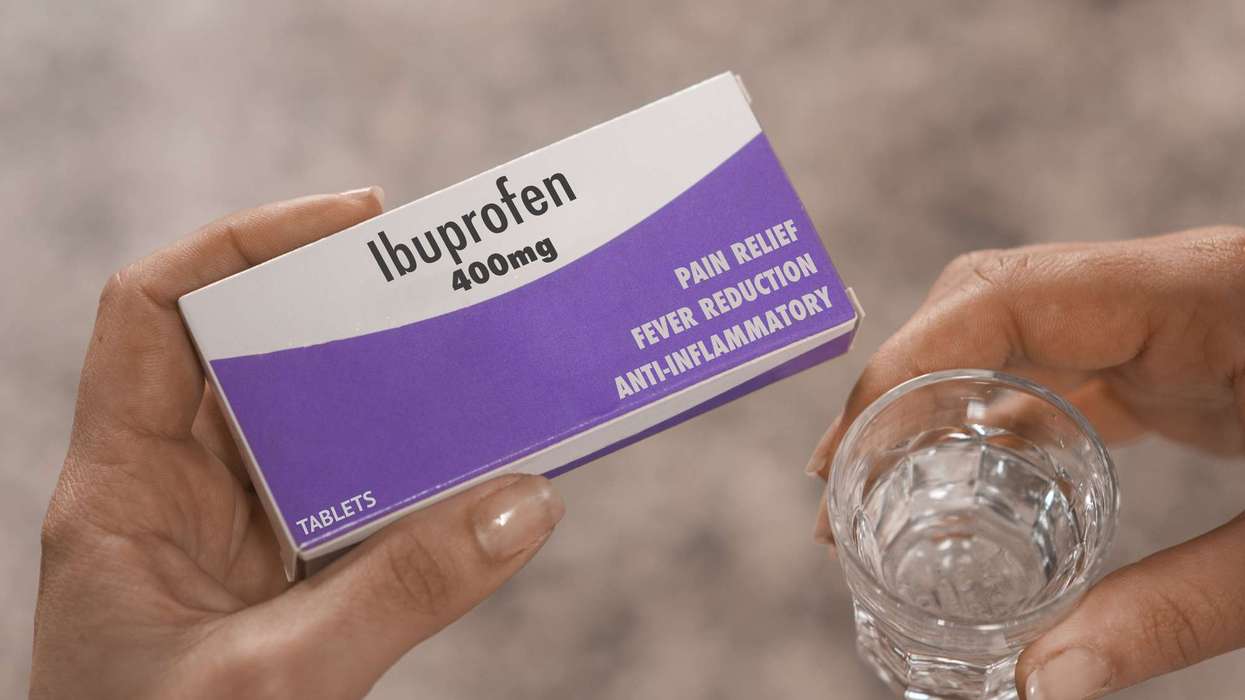
A new analysis by the National Pharmacy Association (NPA) has found that pharmacies have curtailed their opening hours during weekends by more than 20 percent since 2022 due to a funding crisis.
The NPA analysis, based on a comparison of pharmacy opening hours in England published by the NHS Business Services Authority, found that one in six pharmacies (around 1,600) have cut opening hours on weekends, while eight per cent have chosen to remain shut on Saturdays and Sundays.
Pharmacies claim that funding shortfalls have led to reduced opening hours, particularly on Sundays, as they are forced to cut costs to remain solvent.
Around 90-95 per cent of an average pharmacy’s income is delivered by the NHS, which is supposed to cover the cost of dispensing prescriptions, vaccination services and the Pharmacy First initiative.
This is forcing patients to travel long distances for essential medicines or approach the overcrowded A and E services and urgent care departments, where they have to wait for hours.
Kent, Birmingham and Lancashire have seen some of the steepest drops, losing nearly 30 percent of weekend opening hours since 2022.
Cornwall has faced the highest percentage drop in Sunday opening since 2022, with 34 percent fewer pharmacies opening on a Sunday compared with four years ago. This is followed by Oxfordshire, Chester and Cheshire West.
The NPA found that in some parts of Cornwall patients had to travel nearly an hour to reach a pharmacy on a Sunday.
Kent and Birmingham have also seen drops in Sunday opening hours, with 14 pharmacies in each of these cities remaining closed on that day.
More workload
The NPA also found that an average pharmacy in England was serving around 1,000 more patients than it did in 2017, when the pharmacy sector budget was cut for the first time.
As the government prepares its funding offer for pharmacies for the next financial year, ministers are being urged to keep their promise to deliver a sustained funding uplift that will stabilise the pharmacy network in England as well as reforming the broken contract between pharmacies and the NHS.
Patients hit
NPA chair Olivier Picard said, “This is yet more evidence that the pharmacy network in England is creaking at the seams after facing deep cuts over a number of years.
“Sadly the real losers are the millions of patients these pharmacies serve, particularly those in rural areas, who are forced to travel long distances or even go to hospital if they need a prescription or advice for a minor health issue on a Sunday or late at night.
“Pharmacists have huge potential to take away pressure from the rest of the health system but the reality is that they hanging on by their fingertips, raiding pension pots or remortgaging homes to stay open.
“Although we recognise the government took a step forwards last year, much of the uplift disappeared to cover increasing costs including National Insurance and National Living Wage contributions.
“Like the Government, we want to expand NHS services to patients but this can only happen with sustained and significant investment.”
Company Chemists’ Association (CCA) chief executive Malcolm Harrison said, “Without additional funding, more pharmacies will be forced to scale back hours or close altogether.
"This would make it harder for patients to get medicines and everyday health advice locally, especially at weekends and late at night, and would push more people towards already overcrowded urgent care and A&E services.
"The Government recently acknowledged that funding for pharmacies today is £800m less in real terms than it was a decade ago.
"If the NHS wants patients to be able to access pharmaceutical services in the evenings, late nights, and at weekends, it must be prepared to fund it.”