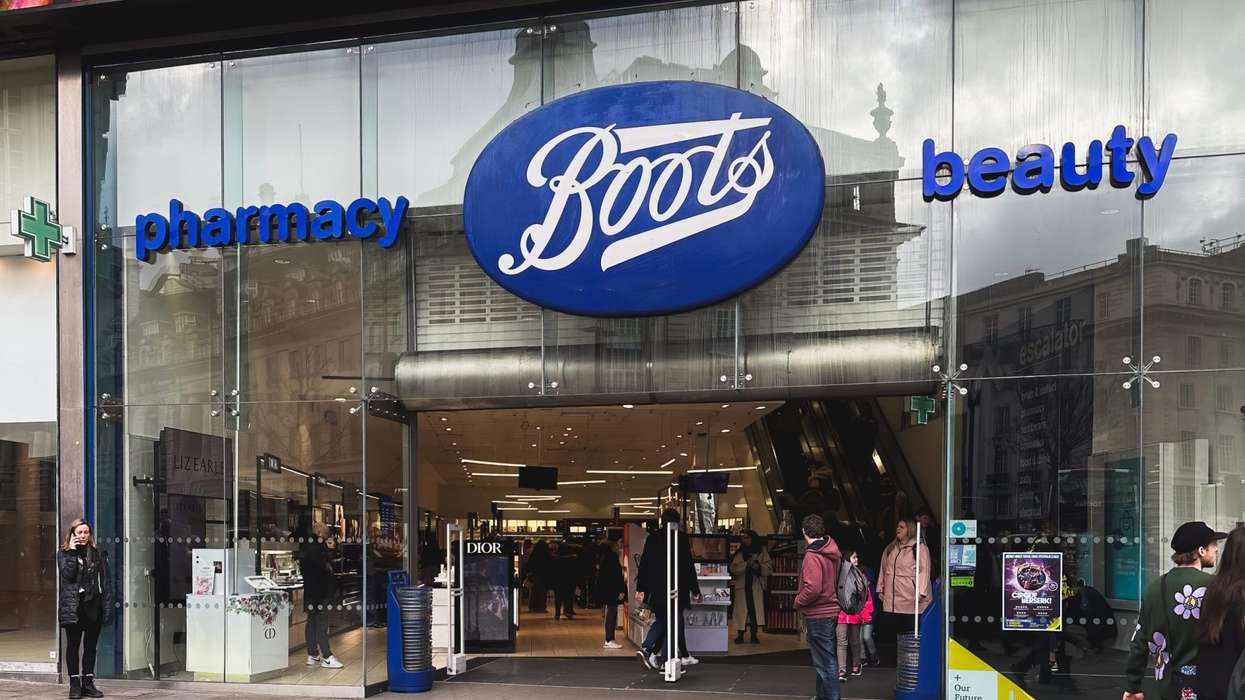






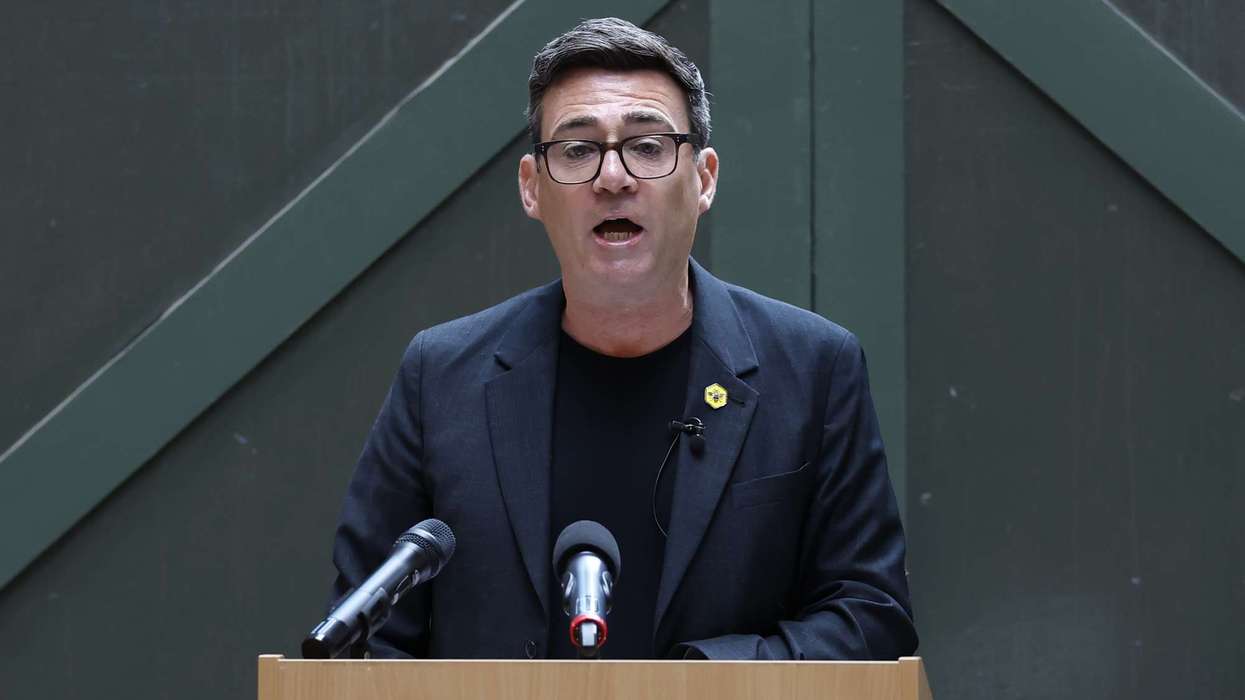

Pharmacy sector leaders have welcomed Prime Minister Andy Burnham's move to review business rates to support some businesses at high streets, but question that community pharmacies are not included.
The government has decided to cut business rates bills by 20% for pubs, social clubs and live music venues across England from April next year.
It hopes to drive growth in every postcode by reducing the burden on local businesses, boosting investment on high streets and helping communities to thrive.
Commenting on this announcement, Community Pharmacy England Chief Executive Janet Morrison said: “We welcome the new Prime Minister’s review of business rates. Community pharmacies have not yet been mentioned in the measures to support high streets.
"Despite their vital role in improving the health of local communities, pharmacies don’t get their business rates reimbursed by the NHS, in contrast with GP practices and dental surgeries.
"Community Pharmacy England has long called to end this unfair disparity, with pharmacies either having their costs fully covered, or given the same rates relief as other healthcare providers. We again set out a clear case for business rates relief during this year’s funding negotiations, and will put these arguments forward to Mr Burnham and his Government.”
Pharmacies 'dismayed': NPA
National Pharmacy Association Chief Executive Henry Gregg said: “While hard pressed pubs and clubs will be pleased to have a tax break, pharmacies will be dismayed that they continue to be hit by the full force of this fast-rising tax, despite their pivotal role holding our high streets and 90 per cent of their funding coming from the NHS.
"Pharmacies are central to NHS care in their communities yet don't have any of the concessions on rates enjoyed by GPs or other parts of the health service.
"Andy Burnham should direct some of his reforming zeal to stopping pharmacies from closing due to tax rises because millions of people in villages towns and cities across our country will see the benefit and thank him for it.
"Despite welcome funding increases over the past couple of years the government only funds just over half of the estimated cost of NHS pharmacy services, leaving pharmacies to pick up the bill on top of these imposed costs."
Pharmacies are essential: IPCN
The Independent Pharmacy Contractors Network (IPCN) has called on the Government to extend its business rates announcement to community pharmacies.
It pointed out that if the Government's test for business rates relief is community value, sustaining local employment and keeping high streets vibrant, then community pharmacies are among the strongest qualifying businesses in the country.
IPCN Board Member Mitesh Patel said: "Nobody in our network begrudges the local pub its lifeline. Pubs are important community assets and today's announcement rightly recognises that. But community pharmacies are every bit as essential.
"Every day around 1.6 million people walk through a pharmacy door to access NHS care, medicines and clinical advice. If community value is the test, pharmacies pass it many times over. If supporting local high streets is the objective, pharmacies are among their strongest anchors.
"The Government already accepts that GP surgeries and NHS dental practices should not be disadvantaged by business rates. Community pharmacies deserve exactly the same recognition.
"The Prime Minister has rightly said business rates support should be focused on businesses that make the greatest contribution to their communities. By that measure, community pharmacies are among the strongest candidates of all. We dispense medicines, deliver NHS clinical services, vaccinate patients, relieve pressure on GP practices and hospitals, and keep people well every single day.
"We are simply asking the Government to apply its own principles consistently and finish the job it started today by ensuring community pharmacies receive the support they have clearly earned."
The IPCN also pointed out that the economics of community pharmacies make the sector uniquely unable to absorb rising business rates.
"Between 90% and 95% of a typical pharmacy's income comes from the NHS under nationally fixed reimbursement arrangements.
"Unlike a pub or most other businesses, a pharmacy cannot simply increase prices to offset rising costs."
NPA letter to Prime Minister
The National Pharmacy Association has also written an open letter to Burnham, urging that new responsibilities must be "supported by sustainable funding and long-term investment".
The letter highlighted Burnham's record in Greater Manchester of "bringing health services closer to the people and communities they serve and treating the person holistically.
"The Live Well programme shows healthcare works best when it is preventative, embedded in the community, and locally delivered to best serve the local population," the letter added.
The NPA noted that its members are on every high street, in cities, towns, rural areas and in deprived communities.
"Our members ensure that the public can obtain walk-in health care for a range of common conditions without having to take part in the 8 am scramble for a GP appointment."
The NPA pointed out that though the Government has already begun addressing a decade of underfunding, but more needs to be done.
"The new responsibilities must be supported by sustainable funding and long-term investment. Sustained financial pressure continues to mean neighbourhoods are still losing their local pharmacy.
"Community pharmacies continue to face severe operating-cost pressures, including staffing, energy, transport and premises costs. We urge the government to consider further targeted support for our members."
The NPA urged the government to reform business rates and offer similar relief to pharmacies as that enjoyed by other parts of the NHS so they can play their role supporting high-street businesses and their communities.
"Your commitment to devolution presents an opportunity to ensure that local health services better reflect the needs of their communities."
The NPA said it is willing to work constructively with the government to ensure community pharmacy is recognised as a "cornerstone of health in local communities".