






Patients with type 2 diabetes who stop taking GLP-1 medicines may face twice the risk of a heart attack, stroke or death compared with those who continue treatment, according to a new study published in The Lancet Regional Health – Europe.
The research analysed health records of more than 80,000 people in Italy with type 2 diabetes and no established cardiovascular disease, using data collected between 2004 and 2024.
Researchers found that around four in every 100 patients who discontinued GLP-1 treatment experienced a non-fatal heart attack, stroke or death each year. The corresponding figure among those who remained on treatment was approximately two in every 100.
The findings suggest that discontinuing treatment could be associated with a loss of some of the cardiovascular benefits linked to GLP-1 medicines. However, researchers cautioned that the observational study cannot establish whether stopping the drugs directly caused the higher risk.
Of the more than 80,000 people who started treatment, approximately 60 per cent discontinued their medication. Those who stopped had generally taken the drugs for around one year, while patients who continued treatment remained on it for approximately three years.
The increased risk was also more pronounced among patients with a body mass index (BMI) of 30 or above, classified as medically obese, compared with those below that threshold.
Why could stopping GLP-1 treatment increase cardiovascular risk?
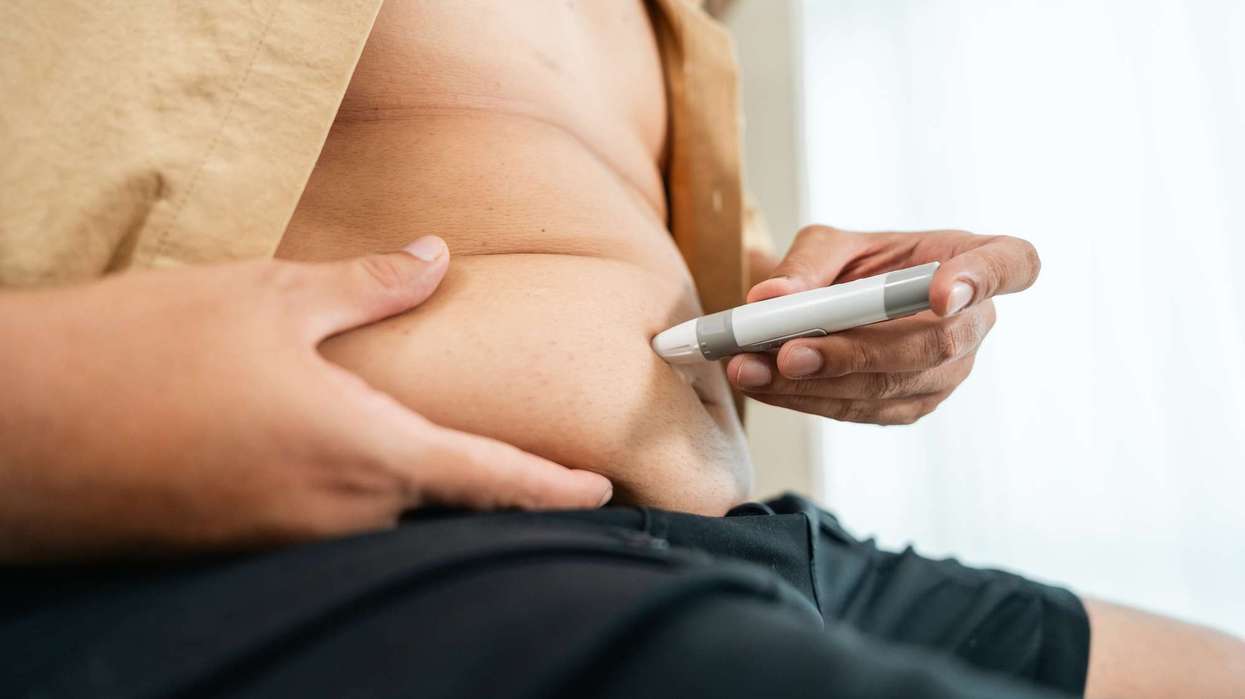
GLP-1 receptor agonists are used to manage type 2 diabetes by helping regulate blood sugar levels, slowing digestion and reducing appetite. Some medicines in this category also offer cardiovascular benefits for eligible patients.
The study found that changes in weight, blood glucose and blood pressure after treatment discontinuation were relatively modest. Similar changes were observed among patients who subsequently experienced a cardiovascular event and those who did not.
This raised questions about whether the increased risk was directly related to stopping medication or reflected other underlying health differences between the two groups.
An analysis by the BMJ highlighted several limitations. Researchers could not establish why patients discontinued treatment, including whether they experienced gastrointestinal side effects, struggled with the cost of medication or stopped because of other health problems.
Some patients may already have been in poorer health when they stopped taking the drugs, potentially influencing their subsequent risk.
Dr Christopher Labos, a cardiologist and epidemiologist at McGill University, said the findings highlighted the cardiovascular benefits associated with GLP-1 treatment.
He said stopping the medication meant patients could lose some of the benefits they had received while taking it.
The study also had limitations regarding the types of medicines included. Most participants received liraglutide or dulaglutide, while only a small proportion used semaglutide. Tirzepatide, marketed as Mounjaro for type 2 diabetes and Zepbound for weight management in the US, was not included because it became available after the study period.
The findings should therefore not be assumed to apply equally to every GLP-1 medicine or to people taking the drugs solely for weight loss.
What happens when patients stop weight-loss medication?
The cardiovascular findings come amid wider concerns about weight regain after patients discontinue GLP-1 treatment.
A separate study published in the BMJ in January 2026 reviewed 63 clinical trials involving more than 9,000 participants. It found that people stopping weight-loss medication regained an average of 0.4kg a month.
Researchers estimated that participants regained their baseline weight, on average, around 20 months after stopping treatment.
Dr Labos said the latest findings reinforced the need to view these medicines as treatments for chronic conditions rather than short-term interventions.
He cautioned that patients who stop treatment simply because they believe they have achieved their weight-loss goals could experience weight regain and lose some of the associated metabolic and cardiovascular benefits.
The findings do not mean patients should continue medication regardless of side effects, treatment response or other clinical considerations. Instead, they highlight the importance of reviewing treatment decisions with healthcare professionals.
Pharmacy Business has previously reported on research showing that patients can regain much of their lost weight after stopping weight-loss injections and the need for continued support after weight-loss treatment ends.
The latest study adds to the evidence that managing type 2 diabetes and obesity often requires long-term care. Researchers said further investigation is needed to determine whether discontinuing GLP-1 medicines directly increases cardiovascular risk or whether stopping treatment is a marker of poorer underlying health.