






Women hailing from Black and ethnic minority backgrounds and deprived areas in England are less likely to be diagnosed with breast cancer during routine screenings and more likely during an emergency setting, according to a study.
A research by the University of Surrey, and funded by the charity Breast Cancer Now, analysed over 86,000 adults diagnosed with the disease between 2009 and 2019.
The analysis found that people from Black, Asian and mixed backgrounds, alongside people from deprived backgrounds, were 33% less likely to be diagnosed with breast cancer during screening.
However, these groups were up to 31% more likely to be diagnosed via urgent suspected cancer referral, and up to 37% more likely to be diagnosed via emergency presentation.
Cancers found in emergencies tend to be at a later stage, which lowers the chance of survival.
The research also revealed that people living with a learning disability faced poorer cancer outcomes: their time to diagnosis was 18% longer than people without a learning disability.
Manveet Basra, the associate director of public health, inclusion and awareness at Breast Cancer Now, said the analysis shows that people from marginalised groups face inequalities at every stage of their breast cancer treatment, and this also impacts their survival rates.
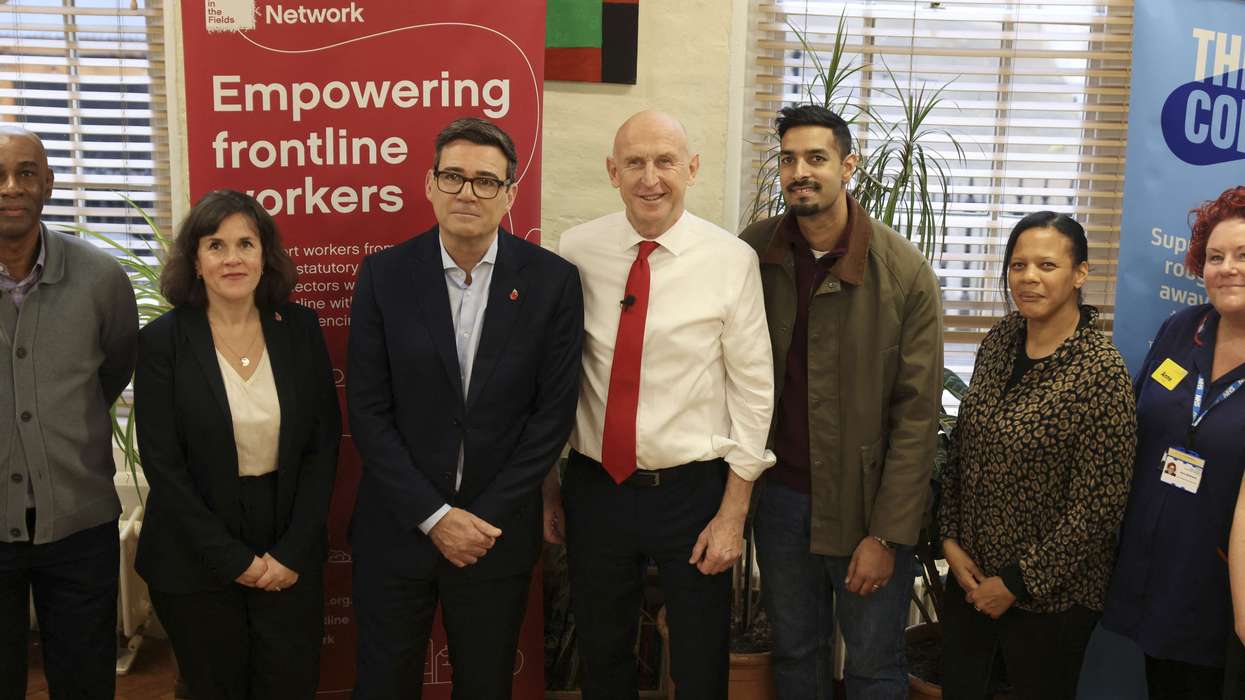
Breast Cancer Now had recently entered into a partnership with the Department of Health and Social Care (DHSC) to improve early breast cancer symptom recognition and expanding post-treatment survivor care.
The programme will deploy targeted public health resources to help women build confidence in monitoring breast changes and seeking timely GP evaluations – with a focus on reaching underserved communities.