







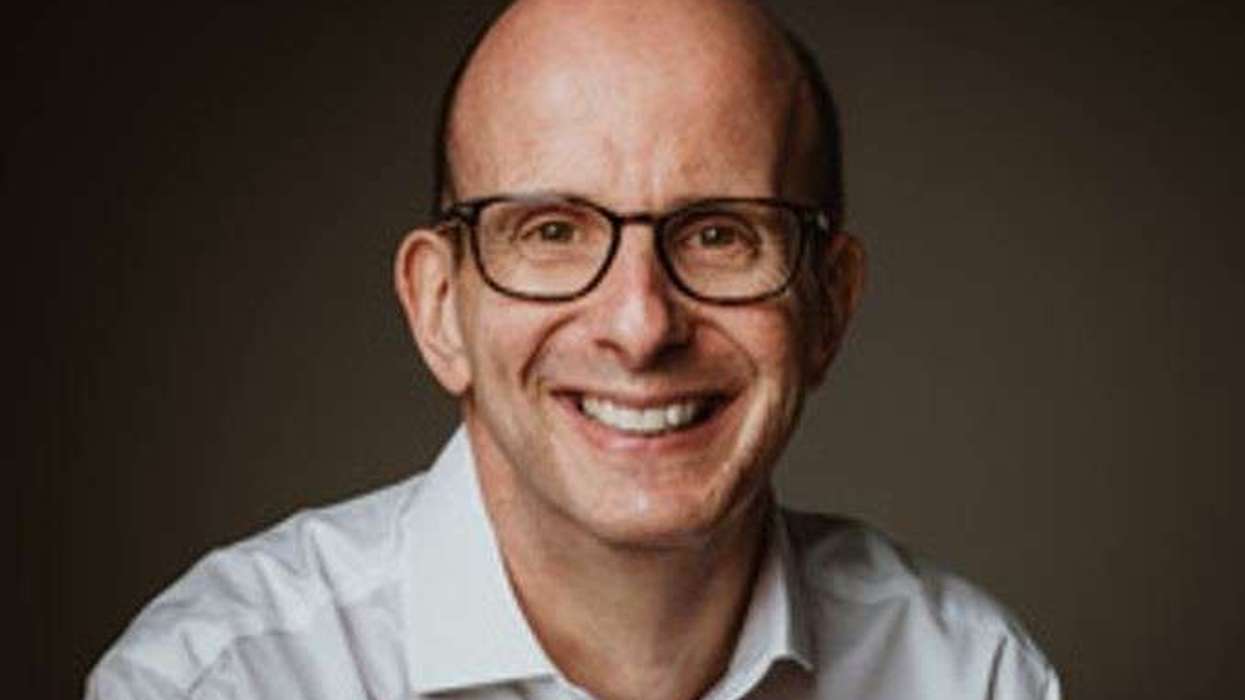

By Andrew Caplan
As we move into 2026, it’s a time to consider how our profession moves forward. In my mind, Independent Prescribing offers us great opportunities.
If you want to see where Independent Prescribers are really flying, look at Wales and Scotland. Pharmacists are running clinics in the heart of local communities; health boards are giving them clinical space and General Practice is getting breathing room to focus on patients who really need a doctor. People are walking into their local pharmacy and walking out with advice and treatment (when needed). Simple, quick, and a brilliant use of talent. Providing care where and when patients want it.
England feels very different. We keep hearing about a national Prescribing Service (in actual fact, it was a Labour manifesto commitment), although nobody seems able to explain when it will arrive or what it will look like. The Community Pharmacy Contractual Framework (CPCF) is already stretched to the limit, and the global sum does not come close to the real cost of keeping the doors open, something highlighted loudly in the Independent Economic Review the government commissioned.
The IP Pathfinder work is wrapped up. The chances of every ICB commissioning in the same way feel slim, so patient access could depend on a postcode. Nobody really wants that, and it sounds like a playbook we have seen before.
While national clarity remains hazy, we can still support the pharmacists who want to prescribe. At Well, we have taken that seriously and are clear that we want to move quickly to having an IP in every pharmacy.
We are proud to announce that we are building an IP Development Plan, under the Well Academy banner, that covers training, access to a DPP, protected learning time, and clear professional support. This is for IP’s in training and continued professional development for those already qualified. Our team in Wales is trailblazing this approach, and we are learning from it.
We went out to our pharmacist workforce with a survey to understand what they need, and we plan to continue gathering that insight from every new pharmacist who joins.
All of this matters because the profession is about to change. From summer 2026, new pharmacists will qualify with prescribing rights from day one. They will need confidence, mentoring, dedicated support and a work environment that lets them use their skills without fear or hesitation.
We need to help the public understand the new services that can be delivered by this new, highly skilled professional. An IP who never gets to prescribe is like teaching someone to drive and then taking away the keys. Nobody benefits.
Locums are feeling it strongly. Many of those that have invested in the qualification tell me during pharmacy visits that they cannot use their new skills and fear slowly de-skilling themselves. That feels demoralising when the whole point of IP status is clinical freedom and improved access for patients.
Well have opened the door wide to portfolio working. If a pharmacist spends part of the week in a GP practice, a PCN, a hospital setting, the NHS, education, or another clinical role, we will still explore opportunities to allow them to join us and get the best of both worlds. If a locum wants two or three regular days, we will talk about it. If childcare shapes availability, we will talk about it. The aim is to let people build a career that fits their lives.
We are clear that we want the best community pharmacists in our organisation and are prepared to be flexible to accommodate that no matter what people’s life stages require.
In early 2026, we will launch a private prescribing service that lets every IP employed by Well deliver consultations, treat patients, and keep building their scope of practice. We have partnered with Clinilink to offer focused CPD sessions so that prescribing confidence grows steadily. Training support should not stop at qualification. Give IPs standardised pathways, protocols, and SOPs and the public will feel the benefits very quickly.
The wider profession is standing in a very interesting place. We have highly trained clinical pharmacists who are keen to work at the top of their licence. The issues relate to opportunity rather than capability. At Well, we are determined to support our pharmacists in fulfilling their professional ambitions.
Our model is already shifting toward more patient-facing care. Our central automated hub takes care of more than sixty percent of repeat prescriptions, and there are no caps on volumes at the pharmacy level (unlike other multiples). When supervision reform finally lands in 2026, pharmacy technicians will take a much larger operational role in the dispensary, which will release pharmacist time for consultations and prescribing. We see a world where the pharmacist spends more time in the consultation room or on the healthcare counter than in the dispensary.
All the signals point to a major reset. New graduates arriving with prescribing qualification, more automation handling repetitive tasks, and pharmacists spending their time making clinical decisions rather than accuracy checks or selling sandwiches and lipsticks.
If England embraces prescribing in community pharmacy, patients will get faster access to care and treatment, GPs get time back, and the NHS strengthens its front line. The skill is there. The willingness is there.
The need from the public could not be clearer. The sector is ready for a year of real transformation when pharmacists step forward as the clinical practitioners they have trained to be. The government now needs to wake up and properly fund a sector that can help unlock a new NHS we all want.
(Andrew Caplan is Chief Retail Officer at Well Pharmacy)