




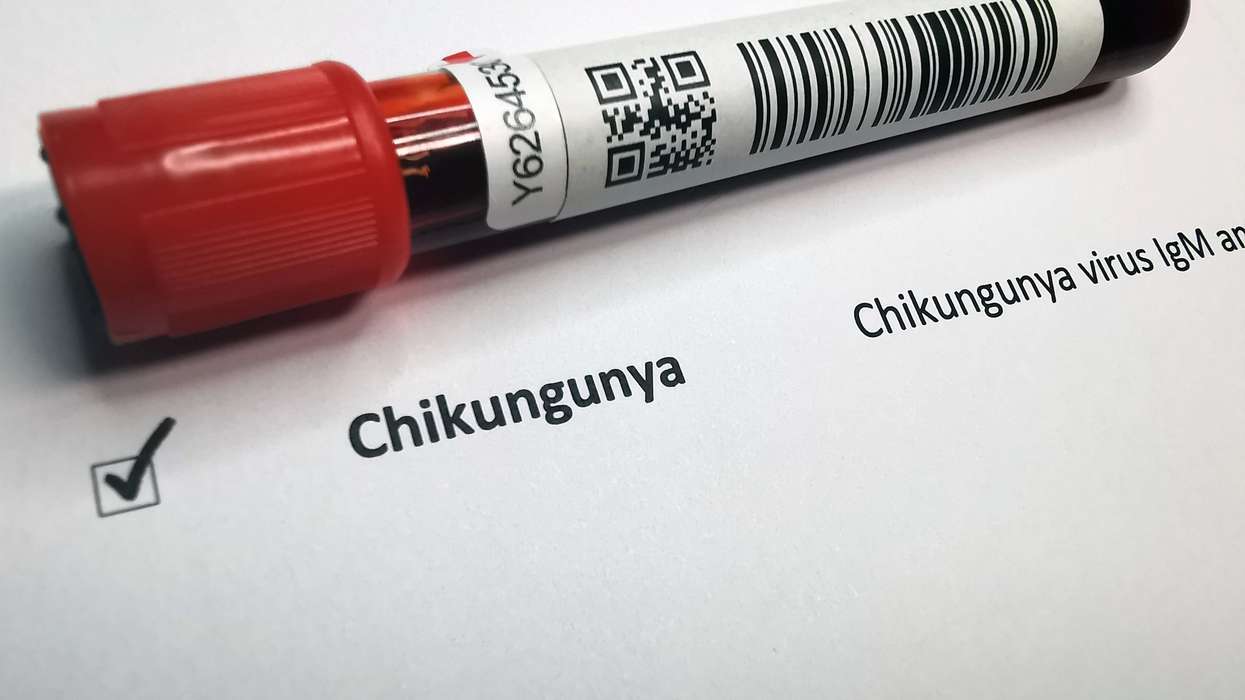

Key Summary
- There are two chikungunya vaccines available privately at travel clinics.
- Chikungunya is a mosquito-borne infection, and common symptoms are fever and joint pain.
- The number of malaria cases in returning travellers was 1,629 in 2025.
Ahead of the Easter break and spring travel period, the UK Health Security Agency (UKHSA) is reminding people to take precautions against mosquito-borne infections such as dengue, chikungunya and malaria.
The latest UKHSA Travel-associated Infections Report shows that in 2025 there was a sharp increase in travel-associated chikungunya and malaria cases, while dengue cases were lower than in previous years.
There are two chikungunya vaccines available privately from travel clinics, following an assessment by a healthcare professional.
In 2025, a total of 160 chikungunya cases (159 in England and one in Wales) were reported, the highest annual total recorded since 2014.
All infections were travel-associated, with the majority linked to Sri Lanka (75 cases), India (17) and Bangladesh (16), and 56 percent were reported in London.
Chikungunya is a mosquito-borne infection with key symptoms including a sudden onset of fever, usually accompanied by joint pain. While most people recover fully within 1 to 2 weeks, the joint pain can persist for months or even years.
The very young, older adults and those with other underlying illnesses are at greatest risk.
Chikungunya is mainly spread by Aedes aegypti and Aedes albopictus mosquitoes. As these mosquitoes cannot survive in the UK climate, there is currently no risk of onward transmission of chikungunya in the UK.
The number of malaria cases in returning travellers was also at a high level, despite a decrease in diagnoses to 1,629 in 2025 from 1,812 in 2024.
Most cases were reported during the late spring and summer travel months between May and October.
Malaria is potentially fatal but almost entirely preventable if antimalarial tablets are taken correctly.
UK travellers are reminded to seek and follow travel advice for their destination, which may include antimalarials and mosquito bite avoidance measures.
Dr Philip Veal, Consultant in Public Health at UKHSA, said, "For some people, chikungunya can be a prolonged and nasty disease and we continue to see cases in travellers returning to the UK, particularly from parts of Asia and the Indian Ocean region.
"While this mosquito-borne infection is rarely fatal, it can cause severe joint and muscle pain, headaches, sensitivity to light and skin rashes. Thankfully, symptoms usually improve within a few weeks, but joint pain may last for months or longer. So, it is essential to take precautions against mosquito bites when travelling."
Dr Dipti Patel, Director, National Travel Health Network and Centre, said, "If you’re travelling over Easter or spring, it’s important that you prepare before you travel, and take precautions against mosquito bites. Simple steps such as using a DEET-based insect repellent, covering up your skin, and sleeping under insecticide-treated bed nets can greatly reduce the risk.
"Before you travel, check the Travel Health Pro website for the latest advice on your destination. If chikungunya is a risk at your destination, you may wish to discuss the suitability of chikungunya vaccination with a travel health clinic."