





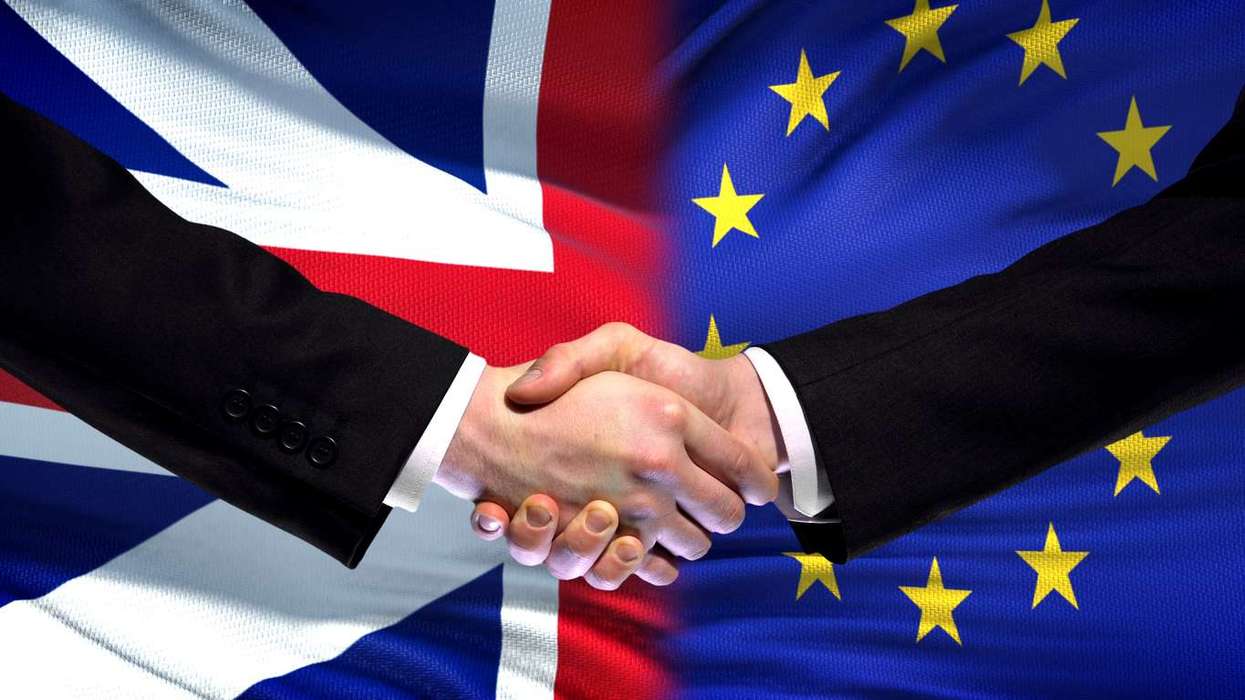

The UK and European Union (EU) have committed to closer cooperation on health security following their summit in Brussels on 20 November, with a proposed agreement expected to cover medical counter measures.
In a joint statement, both sides said they “look forward to the signature” of a Memorandum of Understanding (MoU) on health security. The agreement aims to strengthen the joint ability to prevent and respond to serious health threats.
The MoU has not yet been signed, and no signing date has been announced.
Both sides look forward to finalising the establishment of a Specialised Committee on Health Security under the existing UK-EU Trade and Cooperation Agreement. The committee will provide a framework for cooperation on health security, although no timetable for its establishment was specified.
The joint statement and four accompanying summit explainers contain no specific commitments on medicines supply, medicine shortages or critical medicines.
The proposed health security MoU therefore represents a commitment to wider preparedness and responses to health threats, rather than a confirmed agreement to address medicine supply disruptions.
Wider UK-EU agreements aim to reduce trade barriers
Alongside the health security commitment, the summit concluded negotiations on a Sanitary and Phytosanitary (SPS) agreement covering food safety, animal and plant health and related standards.
The agreement includes provisions concerning antimicrobial resistance in animals, as well as nutrition and health claims and labelling. It aims to reduce paperwork, certification requirements and border checks for eligible food and agricultural products traded between Great Britain and the EU.
The agreement is expected to come into effect on 1 March 2028. The Government said the food and drink deal could add up to £5.1 billion annually to the UK economy by 2040.
The wider package of agreements, including arrangements on carbon markets and youth mobility, could add up to £17 billion annually to the UK economy by 2040.
The UK and EU also agreed to strengthen cooperation in tackling cyberattacks, hostile activities and disinformation campaigns by hostile states, including through joint exercises and action against those responsible.
Both sides will also work together to crack down on Russia’s “shadow fleet” by sharing intelligence and improving the protection of critical maritime infrastructure.
In addition, they will begin discussions on safeguarding democratic processes, including free and fair elections, and explore further opportunities for cooperation on cybersecurity.
Leaders welcome closer UK-EU relations
Before the summit, European Union Relations Minister Hamish Falconer said: “Business across the country have been clear, our current deal with the EU is not good enough.
He added: “From binning excessive paperwork holding back our exporters, to creating new opportunities for our young people to learn, thrive and succeed, our work today will make a difference to businesses, farmers , families and households across the UK”.
Following the summit, Prime Minister Andy Burnham said: “Ten years on from Brexit, today we open a new chapter. Repairing a broken status quo with a Britain that is closer to Europe”.
He described the package as a “win-win’, saying it would cut business costs, help with the cost of the weekly shop and create opportunities for young people.