




The World Health Organisation (WHO) has announced that the UK and several other European countries have lost their measles-free status, following a spike in infections across the continent.
The UK was first given elimination status in 2016, before losing it in 2018 then regaining it in 2021.
Measles is a contagious but preventable disease that can be tackled through vaccination. WHO points out that a large segment of the public is skeptical of vaccines since the Covid-19 pandemic, leading to hesitation to get vaccinated.
To be considered measles-free by the WHO, a country must have no locally transmitted cases of the same strain for 12 months or longer.
The UK and countries including Spain, Austria, Armenia, Azerbaijan, and Uzbekistan have lost their status in September, based on 2024 data.
The WHO urges a vaccination rate of over 95 per cent to manage the infection. However, statistics prove that the UK is behind this range, leading to the loss of measles-free status. The 2024 data revealed that only 84.4 per cent in the UK have had two doses of the measles vaccine.
According to official data, 2024 also witnessed 2,922 confirmed cases in England, the most since 2012.
Following the WHO’s declaration, the UK Health Security Agency (UKHSA) has advised all children to be vaccinated against measles.
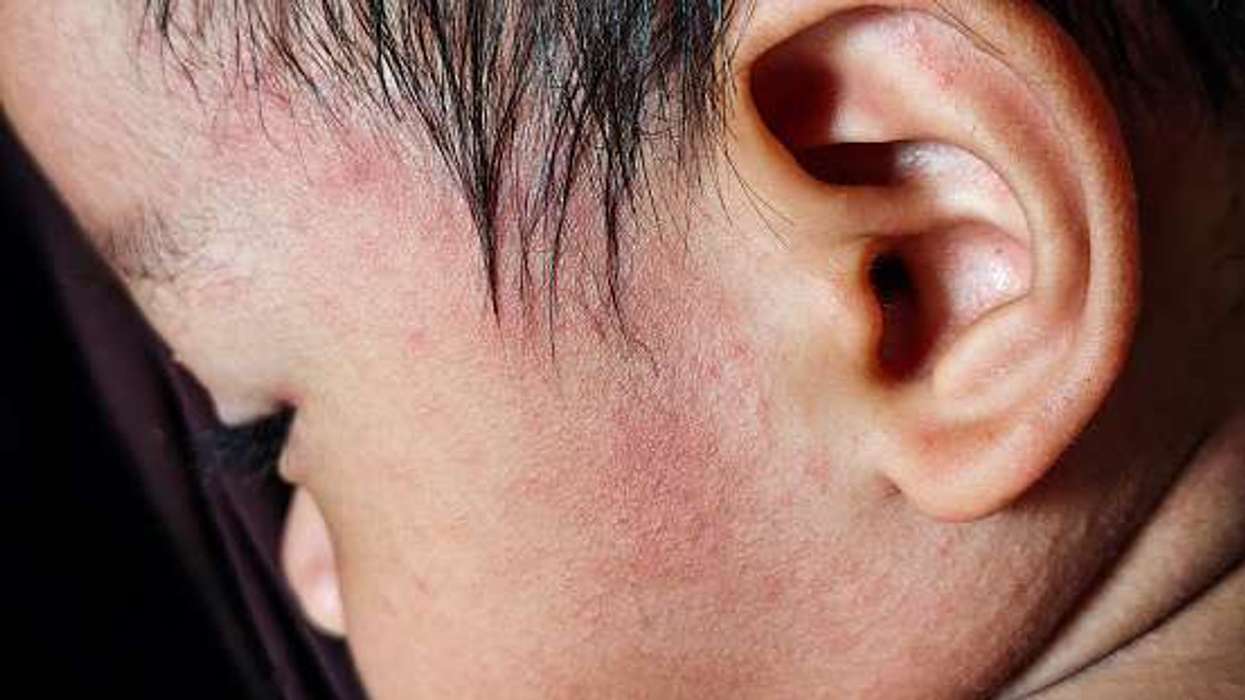
The common symptoms of the infection include high fever and a rash, which can worsen to be fatal if not treated well.
"The UK's change of status reflects a broader challenge we're facing across the WHO European Region," the U.N. health agency said on its website. Several other European countries already have regular measles transmission, according to the WHO, including France and Romania.