


Key Summary
- Eli Lilly chief Dave Ricks says the company will revisit their investment plans in the UK as the environment improves.
- Two medicines, a brain cancer drug and a stomach cancer drug, have already been recommended by NICE under the new increased threshold.
- Business and trade minister, Peter Kyle, said the partnership would support Britain’s world‑leading pharmaceutical sector while protecting high‑skilled jobs.
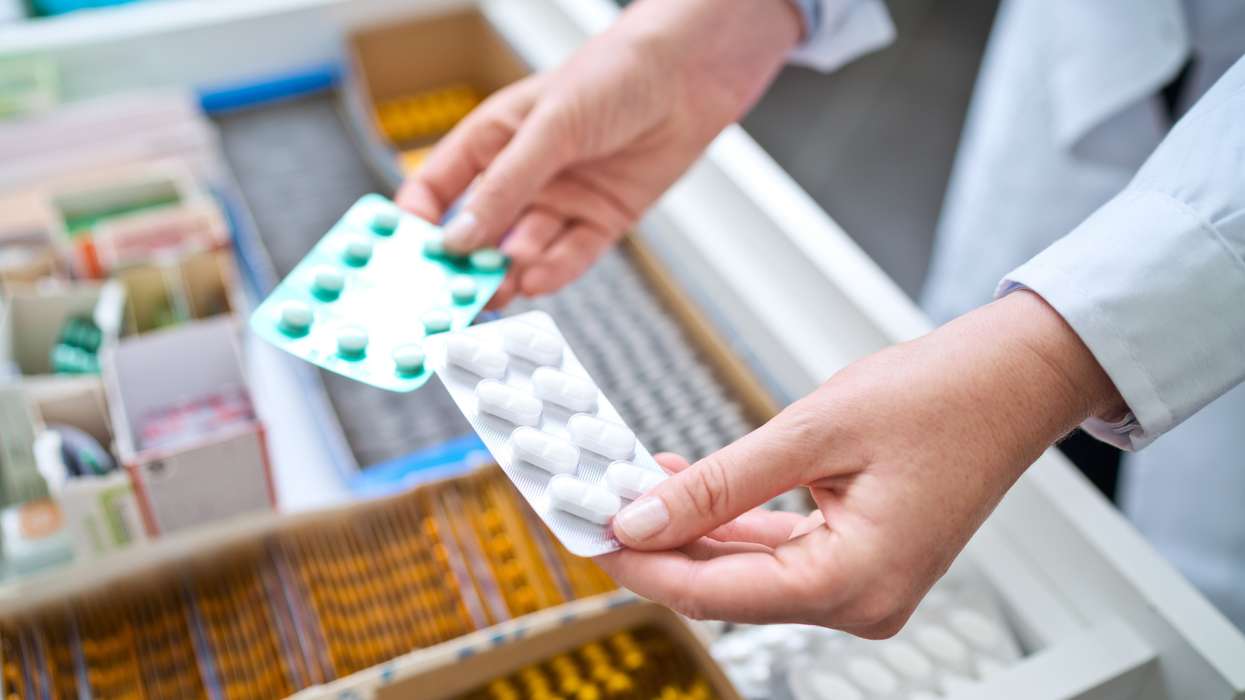
The government on Thursday (2) said it has agreed the full text of a US-UK pharmaceutical partnership, under which British-made medicines will not be charged any tariff in the United States market, and NHS patients will get improved access to life-changing treatments.
The agreement, reached as part of a wider US-UK trade accord signed last year, commits Washington to a zero tariff on British pharmaceutical exports for at least three years.
The government has said the deal would make Britain the only country with tariff-free access for medicines to the US market.
Business and trade minister, Peter Kyle, said the partnership would support Britain’s world‑leading pharmaceutical sector while protecting high‑skilled jobs, adding that it demonstrated the strength of the US-British economic relationship.
The White House and US Department of Health and Human Services did not immediately respond to requests for comment, Reuters reports.
Worth at least £5 billion a year, pharmaceuticals account for about a fifth of British goods exports to the United States by value, according to government data.
Most favoured nation
Britain has also said the deal shielded medical technology exports from additional tariffs and included assurances it would receive mitigations under a proposed US "most favoured nation" drug pricing policy, which seeks to bring US medicine prices closer to those in other developed countries.
The pharmaceutical provisions were negotiated separately from the wider US-British trade deal signed by president Donald Trump and prime minister Keir Starmer in June 2025, with the two sides unveiling the outline terms in December.
Britain-headquartered drugmakers AstraZeneca and GSK separately struck most-favoured-nation pricing deals with the Trump administration last year that included three-year protection from potential US pharmaceutical tariffs, underscoring Washington's broader use of tariff threats in negotiations with the sector.
Following agreement of the full text, a GSK spokesperson said the company was pleased the deal had been finalised, adding that it provided certainty on zero tariffs for medicines and improved the British operating environment while rewarding innovation.
The spokesperson added that work now needed to happen "at pace" on the detailed action to deliver the improvements.
Eli Lilly chair & CEO Dave Ricks said, “This UK/US arrangement on pharmaceuticals is an encouraging move; the positive trend in the UK warrants our attention and Lilly will revisit our investment plans there as the environment improves.”
Life-changing medicines
Science minister Lord Vallance said the NHS patients will now benefit from access to life-changing new medicines that they previously would have been denied.
On 31 March, changes were made to the way the National Institute for Health and Care Excellence (NICE) evaluates medicines, which will incentivise pharmaceutical companies to launch innovative treatments in the UK.
Some treatments that deliver significant health improvements but were previously been turned down on cost grounds, will now be approved.
Two medicines, a brain cancer drug and a stomach cancer drug, have already been recommended by NICE under the new increased threshold.
Health minister Dr Zubir Ahmed said, “For too long, NHS patients have watched as some treatments available in other countries remained out of reach here. We’re changing that."
The patient groups have been demanding changes in the way NICE assesses its effectiveness threshold, which has not been raised in over two decades.
VPAG rebate cap
The Voluntary Scheme for Branded Medicines Pricing, Access and Growth (VPAG) headline payment percentage — the rebate pharmaceutical companies pay on branded medicines sold to the NHS — will be capped at a maximum of 15 percent until the end of the current scheme, which expires on 31 December 2028.
This will provide the stability and predictability for the life sciences companies to invest and grow in the UK.
ABPI chief executive Richard Torbett said, “The government has listened to industry concerns and is taking positive action to improve access and create a more stable, competitive environment.
"While further detail and technical work is underway, this is strong progress, and we look forward to working closely with the government to ensure these commitments deliver for patients, the NHS and the UK economy.”