





The NHS has begun recruiting women for the world’s largest trial of artificial intelligence (AI) in breast cancer screening, testing whether the technology can help specialists identify cancers earlier and improve screening efficiency.
Known as EDITH, the £10 million trial is co-led by the University of Cambridge and the University of Warwick, with Cambridge University Hospitals NHS Foundation Trust. Funded by the National Institute for Health and Care Research (NIHR), it will involve nearly 700,000 women across 30 breast screening sites in the UK.
Cambridgeshire is the first location to launch the trial, with further sites expected to join in the coming months.
How will AI support breast cancer screening?
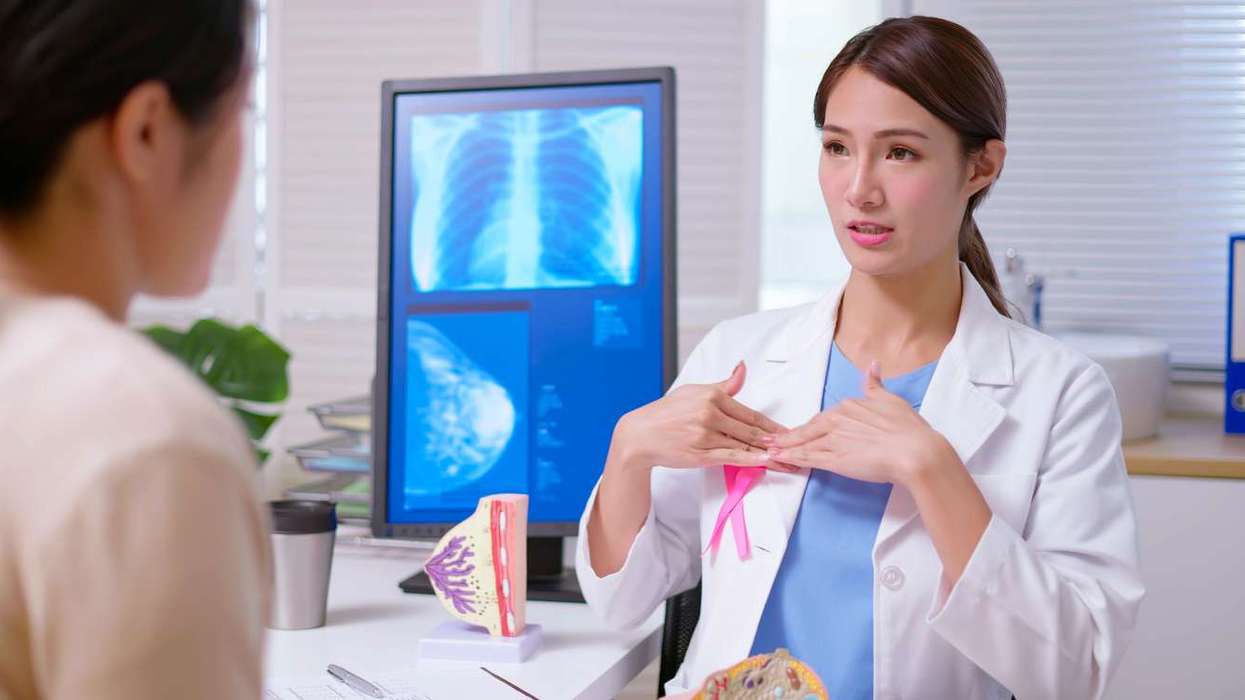
The trial will assess an AI-assisted tool designed to support specialists in reviewing mammograms, which are X-ray images of the breast used to identify potential signs of cancer.
Currently, each mammogram is independently reviewed by two specialist radiologists. The AI technology will be tested alongside clinicians to identify areas that may require further attention, potentially allowing many scans to be reviewed by one radiologist.
Fewer than 1% of mammograms show signs of cancer, meaning specialists spend considerable time reviewing images that do not indicate the disease.
Professor Fiona Gilbert, co-chief investigator from the University of Cambridge and honorary consultant at Addenbrooke's Hospital, said: “EDITH will test whether an AI-assisted mammogram-reading tool can help experts review images more efficiently, while maintaining professional oversight and the standards women expect from NHS breast screening.”
Professor Lucy Chappell, NIHR Chief Executive and Chief Scientific Adviser to the Department of Health and Social Care, said the trial would generate vital evidence on whether AI-assisted screening could transform cancer detection and diagnosis.
The AI Research Screening Platform (AIR-SP), developed by NHS England with nearly £6 million in government funding, will support the trial and help NHS trusts participate in AI screening research.
Importantly, the trial will not change women's screening appointments. Every mammogram will continue to be reviewed by at least one human radiologist, and clinical oversight will remain in place.
Who will be invited to take part?
The trial will involve women aged 50 to 71 who are invited for NHS breast screening every three years. At present, each year, around 2.1 million women undergo breast screening in the UK, helping prevent around 1,300 deaths.
Information about EDITH will be included in screening invitation letters, with details explaining how women can opt out if they do not wish to participate.
The study aims to establish whether AI can support earlier cancer detection without increasing unnecessary recalls or identifying cancers that would never have caused symptoms during a woman's lifetime.
Professor Sian Taylor-Phillips, co-chief investigator from the University of Warwick, said AI-assisted technology could help improve early detection by flagging areas of mammograms where cancer might otherwise be missed.
Why is the trial important for the NHS?
The initiative comes amid pressure on specialist radiology services and increasing demand for diagnostic imaging.
Kanishka Narayan, UK Minister for Artificial Intelligence, said the trial would assess whether AI could help identify cancer earlier while freeing radiologists to spend more time on direct patient care.
Health and Social Care Secretary Yvette Cooper said: “If successful, this technology could help women get a breast cancer diagnosis and start treatment much more quickly, giving them the best possible chance of recovery.”
She also highlighted the need for safeguards to ensure AI is used safely and effectively.
The findings will help determine whether AI-assisted mammogram reviews can be safely incorporated into the NHS Breast Screening Programme. Any wider changes to screening will depend on the trial’s results .