






Nearly half of adults screened in UK health and care settings are at risk of malnutrition, prompting nutrition experts to launch a low-cost food plan to help vulnerable people maintain adequate diets.
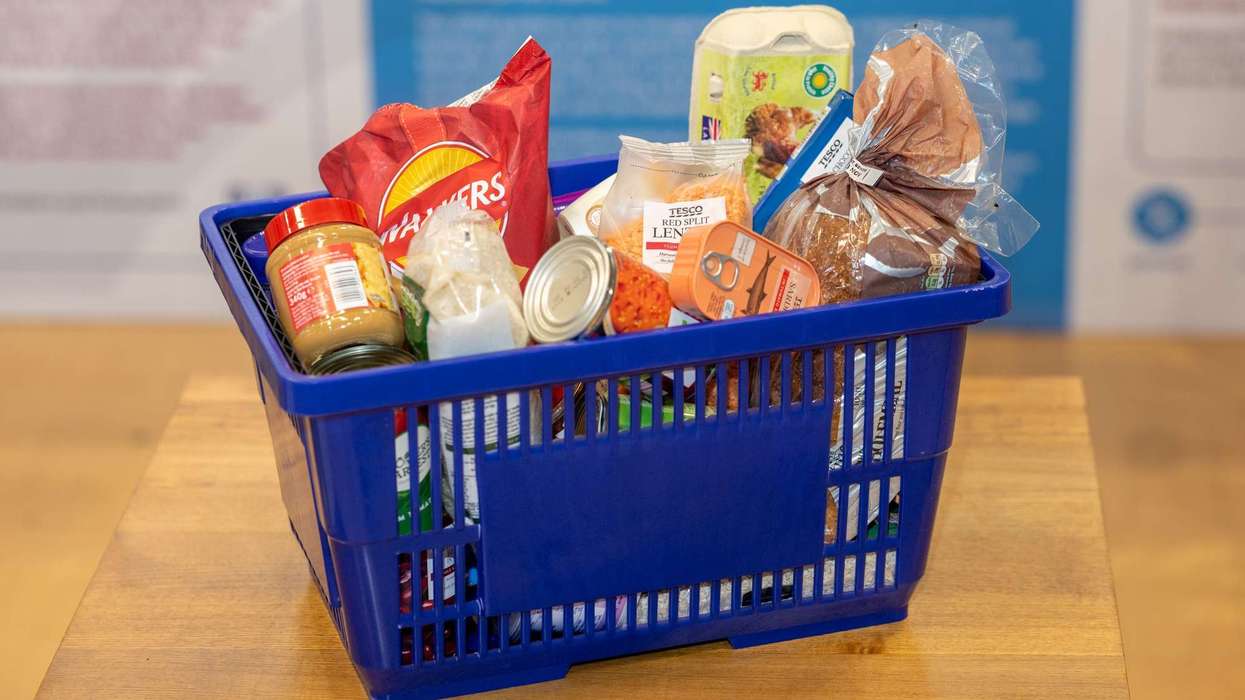
The British Association for Parenteral and Enteral Nutrition (BAPEN) has introduced its UK Malnutrition Awareness Week Nutrition Support Basket, a seven-day shopping list and meal plan designed around the food-first approach used in clinical practice.
The initiative aims to help people who are struggling to eat enough, including older adults, those recovering from illness and people experiencing reduced appetite, make everyday meals more nourishing without significantly increasing their food bills.
According to BAPEN, 45 per cent of adults screened across UK health and care settings were found to be at risk of malnutrition. An estimated 1.3 million people aged over 65 are malnourished, with 93 per cent living in the community rather than hospitals or care homes.
The launch comes amid continued pressure on household budgets. Food prices were 2.9 per cent higher in October than a year earlier, while cupboard food prices rose by 3.2 per cent. One in eight UK households experienced food insecurity in June 2026, according to figures cited by BAPEN.
The organisation warns that skipping meals or reducing consumption of filling, protein-rich foods to save money could increase the risk of malnutrition among people who are already vulnerable.
How does the food-first plan work?
The Nutrition Support Basket provides a week's worth of food for two adults for £40.93 at Aldi and £41.65 at Tesco. This works out at less than 50p per meal or snack, based on 84 eating occasions across the week.
The plan provides an average of around 2,300 calories and 89g of protein per person each day, alongside at least five portions of fruit and vegetables.
Rather than relying on specialist nutritional products, the food-first approach uses affordable everyday ingredients to increase the energy and protein content of meals.
Suggestions include adding evaporated milk to porridge and hot chocolate, grated cheese to soups and mashed potatoes, and yoghurt to meals. The menu combines familiar dishes such as sausage and mash with options including red lentil dal and jollof-style rice.
Tinned, frozen and dried ingredients feature prominently to help control costs and reduce food waste. Each main meal provides at least 10g of protein, while nine downloadable recipe cards include vegetarian and halal alternatives, allergy swaps and advice on storage and reheating.
Dr Jane Fletcher, BAPEN president and consultant nurse for nutrition and intestinal failure, said recognising the signs of malnutrition early was essential.
"Malnutrition can affect people in hospital, in care settings and at home, and recognising the signs early matters," she said.
She added that patients needed advice they could realistically follow, with affordability forming part of the conversation.
"For someone at risk of malnutrition, making every mouthful count can make a real difference, and this basket shows that doesn't have to mean spending more," she said.
What should families and healthcare professionals look out for?
BAPEN is encouraging families visiting older relatives this winter to look for changes that could indicate someone is not eating enough.
Warning signs include unexplained weight loss, reduced appetite, clothes, rings or dentures becoming loose, and fridges or cupboards that appear emptier than usual.
The organisation says the basket can be used by healthcare professionals as a practical resource when offering food-first advice following screening with the Malnutrition Universal Screening Tool (MUST).
For community pharmacists, the initiative highlights an opportunity to help identify people who may be at nutritional risk, particularly older patients and those managing long-term conditions. Pharmacy teams can encourage people with concerns to seek appropriate assessment and support, including through their GP or other healthcare professionals.
Ellie Coles, BAPEN communications officer and registered dietitian, said people did not need to follow the entire plan to benefit from it. They could use individual recipes, snacks and drinks or take inspiration from the shopping list.
The basket is intended as general guidance and may need adapting for people with conditions such as diabetes, food allergies, swallowing difficulties or those following medically prescribed diets. Anyone unsure whether it is suitable should seek advice from a healthcare professional.
The Nutrition Support Basket, shopping list and recipe cards are available free through BAPEN's website. The organisation also provides an online Malnutrition Self-Screening Tool for people concerned about their own nutritional health or that of a relative.