






Over a third of two and three year-olds (around 37%) in England have received their flu vaccine this season as part of the free NHS vaccination offer, prompting the UK Health Security Agency (UKHSA) to urge more parents to get their children vaccinated as influenza activity increases.
The latest surveillance report, published on 19 November, shows influenza positivity increased to 11.4% in the week ending 15 November, compared with 8.3% the previous week.
Flu activity is currently circulating at low levels but is increasing, with hospital admissions also rising.
Why are young children at risk?
Children under five are among those at greatest risk of hospital admissions due to the flu. Around 6,000 children in this age group were hospitalised during winter 2022-23, with flu potentially causing serious complications, including pneumonia.
UKHSA data also showed that children aged one to four had one of the highest rates of GP consultations for influenza-like illness, at 13.1 per 100,000, while babies under one had a rate of 13.6 per 100,000.
Daily emergency department attendances for acute respiratory infections were highest among children aged one to four, while attendances for influenza-like illness were highest among children aged under four.
Where can parents get their children vaccinated?
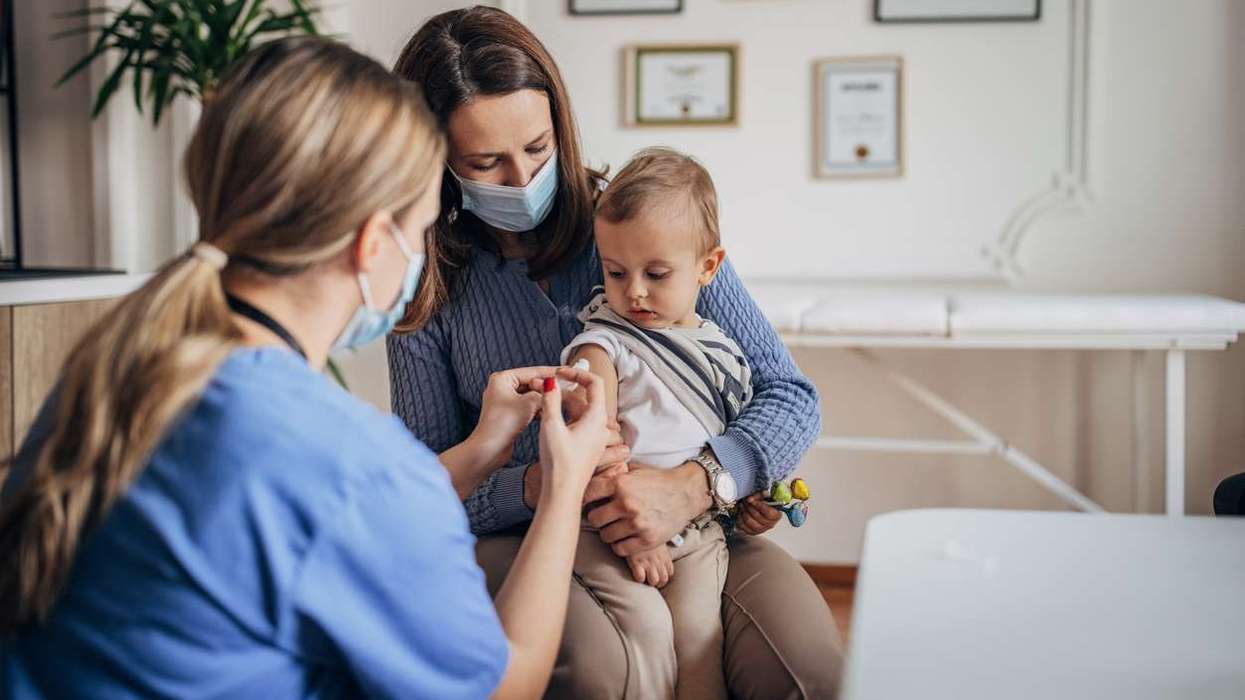
Children aged two and three can receive the nasal spray flu vaccine through their GP practice or some community pharmacies.
School-aged children are offered vaccination through schools, while those who missed their school vaccination will be able to access the nasal spray through some community pharmacies from December.
From 1 December, the Childhood Flu Vaccination Advanced Service will extend to catch-up vaccinations for primary and secondary school children from Reception to Year 11 who missed their school vaccination and are not clinically at risk.
This will supplement existing GP and school vaccination provision and improve access to flu vaccination through community pharmacies.
UKHSA said flu levels are expected to increase further towards Christmas, when indoor socialising and festive activities increase. Flu typically peaks during December and January.
Dr Suzanna McDonald, flu vaccination programme lead at UKHSA, commented: “Children, particularly those under 5 or with underlying health conditions, are more vulnerable to severe illness from flu and developing complications, such as pneumonia. Vaccinating 2-and-3-year-olds and all school aged children helps not only protect them but also stop the virus from spreading to other family members and younger siblings at risk”.
Dame Diana Johnson, Minister of State for Public Health and Patient Safety, said to families: “The free flu vaccine helps protect your 2 and 3 year old and the people they love. If your child hasn’t had the vaccine yet, please book their appointment today”.
Advice for reducing risk
- Get vaccinated if you are eligible
- Stay at home, if you are feeling unwell to avoid spreading infections
- Open windows for better ventilation when meeting people indoors
- Maintain comfortable indoor temperatures, particularly for people who are more sensitive to cold
- Wear a mask in case you're unwell or in crowded outdoor settings
- Avoid visiting hospitals and meeting anyone who is vulnerable
- Practise hygiene by washing hands frequently with warm water and soap keeping surroundings clean.