






Key Summary
- Janke says the root cause is a 30 percent real-terms funding cut since 2015.
- Baroness Leaman says Brexit and overreliance on foreign suppliers are causing medicine shortages in the UK. Health minister Baroness Merron said increased allocation in CPCF allocation and investment in neighbourhood health centres will reduce patients' woes.
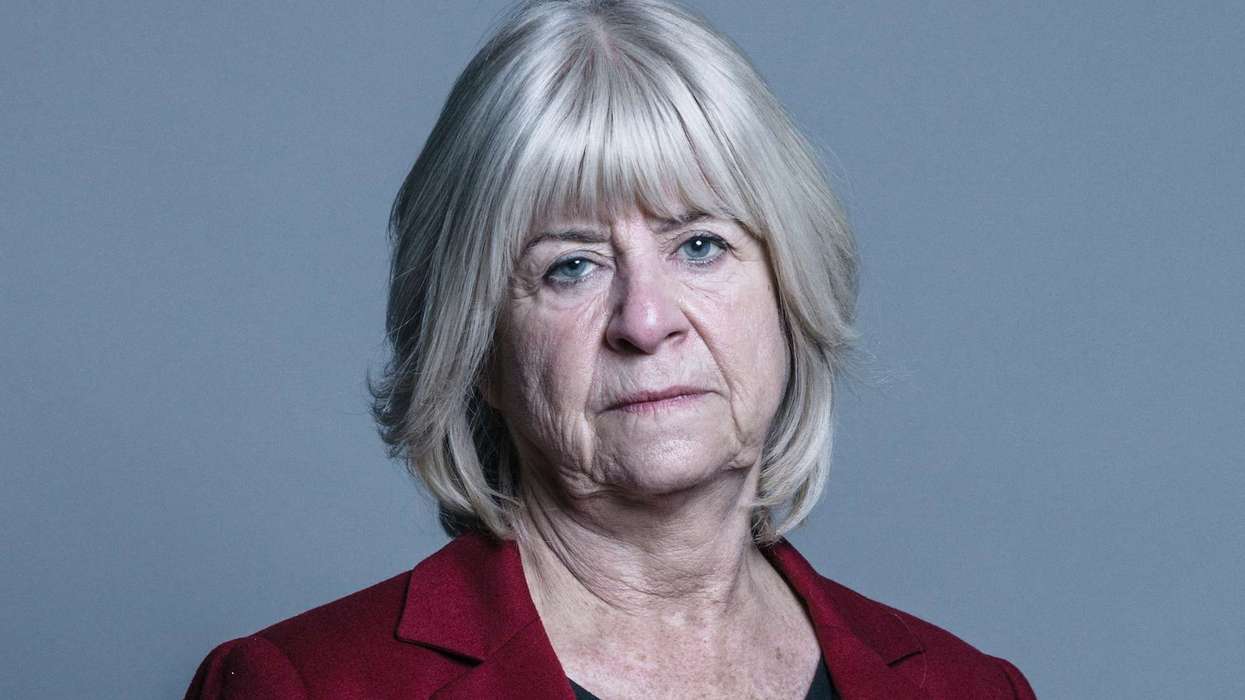
Baroness Janke of the Liberal Democrat party has said that the scale of the crisis faced by community pharmacies is staggering and is a "damning indictment of a decade of financial neglect".
While initiating a debate in the House of Lords on Thursday (25), she said, "We often hear the community pharmacy described as the front door of the National Health Service, yet we are currently watching that door being systematically bolted shut in the communities that need it most."
She pointed out that since 2015, England has seen a net loss of 720 pharmacies. "Last year, closures reached their second-highest level on record, and current data suggest that the rate of closure this year is nearly 50 percent higher than at the same stage in 2023. Between January and April alone, 177 pharmacies closed their doors for good."
Janke said the root cause is a 30 percent real-terms funding cut since 2015. "While the costs of medicines, energy and staffing have surged, core funding has remained stagnant, leading to an annual funding gap of at least £2 billion across the sector, as reported by the NHS.
Pharmacy owners' burden
"The human cost of this neglect is borne by pharmacy owners, 65 percent of whom are now operating at a loss. Nearly half (45 percent) have been forced to rely on personal savings or remortgaging their own homes just to keep their doors open to the public," she said.
The MP said that pharmacies facilitate 1.6 million visits each day, providing vital triage and advice that keeps pressure off overstretched GP surgeries.
"However, when a local pharmacy closes, these daily visits do not simply vanish. Instead, they are forced back into the primary care system, exacerbating the crowding of emergency departments with non-urgent issues that could have been managed in the community," she said.
"We are forcing patients with minor ailments into acute settings, wasting specialised resources and jeopardising the safety of those with life-threatening needs," she added.
Janke said, "Pharmacies are small businesses, and like all small businesses, they have difficult issues affecting them, such as increased national insurance charges, increases in the minimum wage and rising business rates. Incidentally, GP practices and pubs are exempt from business rates, so many local pharmacists are asking why pharmacies cannot also be exempt as an essential service.
"I would like the Minister to consider that in her remarks. Some 95 percent of pharmacies also told the National Pharmacy Association (NPA) that they were not in a financial position to be able to support the Government’s ambitions to move care into the community, as outlined in the 10-year plan."
Pharmacy deserts
The Baroness said, "The deprived areas, with high health needs, saw the highest rates of pharmacy closures between 2022 and 2025, with Liverpool being the nation’s capital for pharmacy closures per head of population, followed by Blackpool, Coventry and Hull.
"The pharmacy network in England now stands at its smallest since 2006. Some 63 percent of pharmacies could close this year, with 40 percent unable to pay the full cost of prescription medicines for patients. The current system of reimbursement for medicines is failing pharmacists and patients, and it needs reform.
"We are also facing a workforce crisis, where locum costs have risen by 80 percent in a single year and overall staffing costs have grown by nearly 70 percent since 2015. Pharmacies simply cannot absorb this scale of increases without a fair and sustainable funding settlement. “Lights Out” is not just a campaign slogan; it is becoming a stark reality for high streets across the country. We cannot move healthcare out of hospitals and into the community if the community infrastructure has been allowed to crumble."
'50 miles travel for ADHD medicine'
Joining the debate, Baroness Leaman of Liberal Democrats highlighted the problems faced by the medicine supply crisis and how it is affecting patients.
She said that many children with ADHD, appeared for their exams without access to the medication they need.
"Since September 2023, we have witnessed a sustained and debilitating shortage of ADHD medications across the UK. Medicines on which hundreds of thousands of children and adults depend have been intermittently unavailable for nearly three years.
"At the height of the crisis, patients were reported to be travelling over 50 miles simply to find a pharmacy with stock. The House of Lords Public Services Committee, in its February report, Medicines Security: A National Priority, made the stark assessment that medicine supply shortages represent a potential national security issue.
"Some 73 percent of pharmacy workers stated that ongoing supply issues are putting patients at risk."
Leaman pointed out that for many young people, medication is the "difference between demonstrating their knowledge, ability and hard work, and sitting in an exam hall unable to engage with the paper before them. Students have reported rationing tablets, taking half doses or going without entirely during the examination period."
Medicine shortages
Dwelling on the causes, she said they are "complex but not mysterious".
"The OECD identified, as far back as 2022, that medicines shortages were increasing globally, but here in the UK we have compounded these global pressures through our own policy choices. The first is our departure from the EU.
"A Nuffield Trust report in March confirmed what many had long warned: Brexit has been a key factor in the worst UK medicine shortages in four years. Between 2020 and 2023, drug shortages in this country more than doubled. Leaving the European Medicines Agency, losing our place in the EU bulk-buying scheme and creating additional regulatory complexity has significantly weakened our position.
"The second is our overreliance on overseas suppliers. The Lords Select Committee noted that the majority of active pharmaceutical ingredients required by the NHS are controlled by China, India or other single sources. We have allowed our domestic manufacturing capacity to wither. The Government’s commitment of up to £520 million to manufacture more medicines domestically is welcome, but it comes late and it must be accelerated."
She said the problem of medicine shortage is further aggravated by pharmacy closures.
"The relationship between acute, primary and community healthcare services depends fundamentally on patients being able to access the medicines they need, when they need them and where they need them. At present, we are failing that test: children are sitting exams without medication, pharmacies are closing at an alarming rate and supply chains remain fragile and reactive.
"The Government have acknowledged the problem, but acknowledgement is not enough. Urgent, sustained and adequately funded action is needed. I look forward to hearing the Minister’s response and I hope we will hear commitments that match the scale of the crisis."
Steps being taken: Minister
In reply to the debate, the Parliamentary Under-Secretary of State, Department of Health and Social Care Baroness Merron said, "It is important that we look at where we started, because I think it reminds us of the scale of the challenge.
"It was the noble Lord, Lord Darzi, who made the point that we inherited an NHS facing the worst crisis in its history. We all know of people stuck on waiting lists for many years, staff who have felt let down by bureaucracy and little support, and patients who have had to navigate a system that all too often felt complex, disjointed and fragmented."
She said that while carrying out improvements, there is some way to go.
The minister pointed out that the 10-year health plan responds to the current challenges and sets out the three fundamental shifts - hospital to community, analogue to digital, and sickness to prevention — with neighbourhood health at its very core.
"Our neighbourhood health framework, which was published in March, gives partners the clarity to develop locally led plans.
"What is at the core of this debate is how to make that shift real. For the first time, the medium-term planning framework sets a target to reduce long waits in community health services, with at least 80 percent of activity to take place within 18 weeks by 2028-29.
"We are restoring GP access; to some of the points made about the important role, which we acknowledge, of the GP, more than 76 percent of people are now saying that it is easy to contact their GP, which is up from 61 percent when we came into office."
In reaction to the concerns raised by Baronesses Lady Janke and Lady Leaman, the minister said her government has provided a 10 percent uplift, which translates to £340 million in the 2026/27 Community Pharmacy Contractual Framework.
She also said that over £9 billion is being invested through the Better Care Fund, and there is a commitment to deliver 250 neighbourhood health centres, for which the first 27 sites have already been selected.
CPE welcomes debate
Community Pharmacy England Director of Communications, Corporate and Public Affairs Zoe Long said, “It’s encouraging to see Peers adding their voices to the growing concerns for the plight of community pharmacies.
"Despite this year’s funding settlement being a step in the right direction, the huge hurdles pharmacy teams face are continuing to impact on patient access to medicines and vital healthcare services. We will continue to work with politicians across the Houses of Parliament, and wider stakeholders, to keep up the pressure for the sustainable future that community pharmacies still need.”
Sustainable funding needed: CCA
Company Chemists’ Association chief executive Malcolm Harrison said, “The House of Lords debate highlighted the growing recognition that community pharmacy is essential to delivering the Government's ambition of shifting more care into the community.
"As Baroness Janke highlighted, community pharmacies are already relieving pressure on the wider NHS by providing local and accessible frontline healthcare for patients. However, this can only continue if pharmacies are sustainably funded by the NHS.
"Community pharmacy has experienced years of underinvestment alongside growing patient demand, whilst also taking on an expanding clinical role. If the Government wants to bring more care closer to home and prioritise prevention over treatment, it must ensure pharmacies have the funding they need not only to remain open but to grow and deliver the services they provide.”