






The future of the NHS in England will depend, in part, on how well we bring care closer to people's homes and communities, make full use of our health professionals' skills, and tackle the inequalities that continue to affect access to care. Community pharmacy has an important contribution to make to all three.
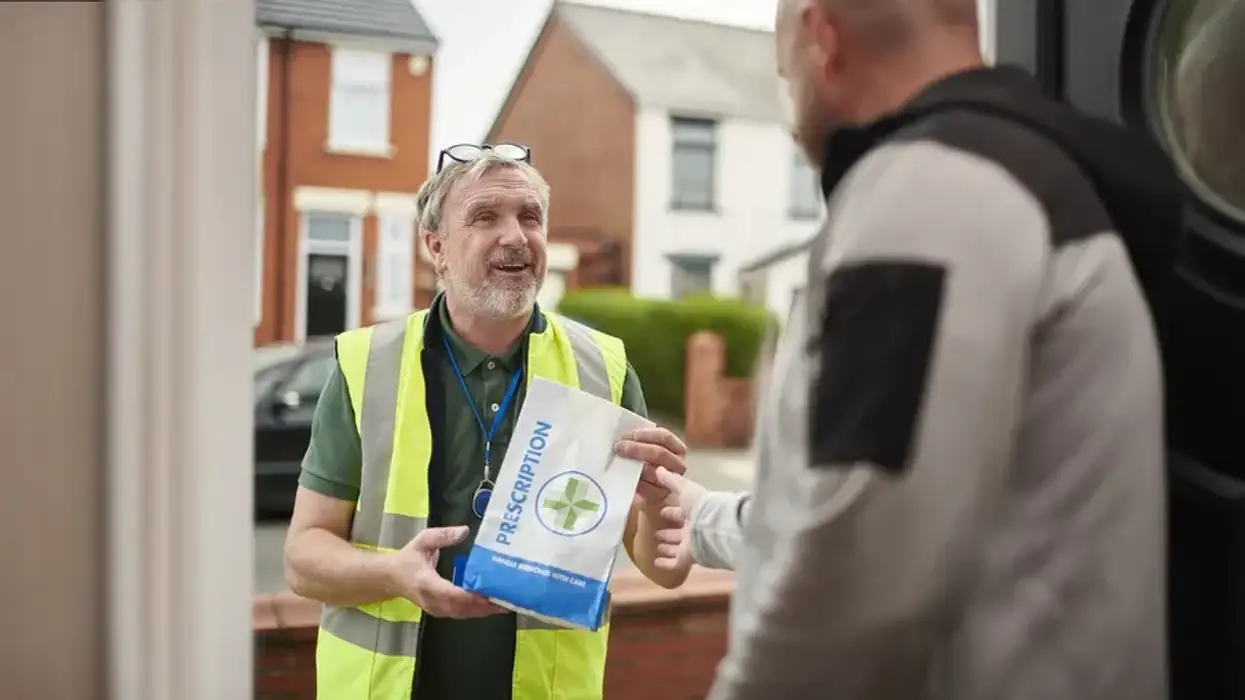
For many people, their local pharmacy is a familiar and convenient part of the NHS. Pharmacists are trusted professionals who provide advice, support self-care, help people get the best from their medicines and increasingly manage common conditions. That trust and accessibility is a real strength, and one the health service should build on.
Pharmacy First is an important development. It gives people another route to timely advice and treatment and makes better use of pharmacists' clinical skills. But it should be seen as a foundation to build on moving forward providing a clear opportunity to think differently about the role community pharmacy can play in the NHS.
Community pharmacies are part of the fabric of local communities, which brings a responsibility as well as an opportunity when it comes to health inequalities. Making a service available does not mean it is accessible to everyone.
Community pharmacies are part of the fabric of local communities, which brings a responsibility as well as an opportunity when it comes to health inequalities. Making a service available does not mean it is accessible to everyone. We need to understand who is using services, who is not, and what barriers may be in the way. That means listening to patients and communities from all backgrounds and designing services around their needs.
Learning from Wales and Scotland
There is much we can learn from elsewhere in the UK. Wales provides a useful example through its Clinical Community Pharmacy Service, which includes a Common Ailments Service covering 27 conditions. Between April 2024 and March 2025, more than 462,000 consultations were delivered, with almost 346,000 people using the service.
The lesson for England is not simply to extend the list of conditions pharmacists can treat. It is to consider how services are designed, commissioned, and integrated so that people receive the right care in the right place. Pharmacy First Scotland also offers valuable experience of a national approach. We should build on learning from both, while recognising that services must reflect local and diverse population needs, workforce capacity, appropriate governance and sustainable funding.
Pharmacy at the heart of neighbourhood health
As neighbourhood health services develop, we need to be clear about where pharmacy sits within them. Pharmacy should not be added once the main decisions have been made. Pharmacists should be involved from the very beginning, helping to shape services and how they work for local populations.
Our expertise in medicines, long-term conditions, prevention and patient safety is distinctive. Used well, it can help the NHS intervene earlier, support people to stay well and improve the quality of care. Achieving that requires genuine partnership across general practice, community pharmacy, other primary care professionals, community services and the wider health and care system.
Leadership through change
The NHS continues to embrace change. Members tell me about the uncertainty created by changes to NHS structures and Integrated Care Boards, and what this means for pharmacy. That uncertainty is so true and understandable, and it makes strong professional leadership more important, not less.
Pharmacists should be central to strategic decision-making on how neighbourhood services are designed and new models of care are developed. Our contribution should not be limited to delivering services designed elsewhere. The Royal College of Pharmacy has an important role in making that happen. We will work closely with our members and NHS partners to ensure pharmacy's contribution is understood and that pharmacists at the heart of conversations that shape the future of healthcare.
The NHS of the future will need to be accessible, preventative, and built around the needs of local communities. Our challenge is to build on what works, learn from experience and ensure pharmacy is fully part of the conversation about how the NHS evolves.
Community pharmacy is not just a place where NHS services are delivered. It is an essential and meaningful partner in building the NHS of the future.