






The UK Health Security Agency (UKHSA) has reported a sharp rise in cyclospora infections, which causes explosive diarrhoea, among travellers returning from Mexico.
The travellers are being advised to take maintain good food and water hygiene to reduce their risk of infection.
Cyclospora is a parasite and the infection is acquired via consumption of contaminated food, specifically herbs, salad and soft fruit.
Cyclospora doesn’t naturally occur in the UK and there is no risk of spread from person to person.
Symptoms
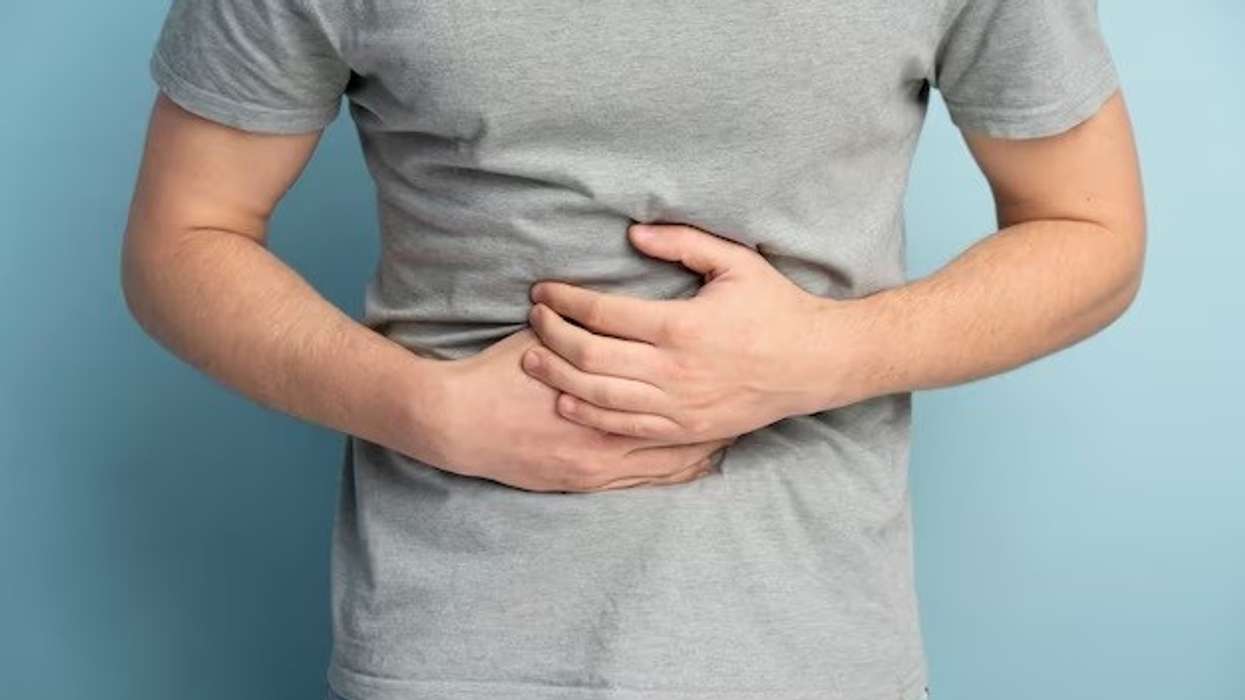
The symptoms include frequent watery diarrhoea, abdominal cramping, bloating, nausea, flatulence, low-grade fever, loss of appetite and weight loss.
While cyclosporiasis is usually mild and most people improve typically in a few days without any treatment, infections can be more serious or prolonged in people who are immunocompromised and antibiotics may be prescribed.
Between 30 April and 15 July, 67 cases have been reported in returning travellers, with England accounting for 30 cases, Wales (10), and Scotland (27).
This is a sharp rise when compared with the annual average of 93 cases recorded between 2022 and 2025.
Travel information is available for 51 out of the 67 cases; of these, 48 reported travel to Mexico, with one also reporting travel to the USA, and one to Kenya.
The UKHSA anticipates a continued rise in travel-associated cases linked to increased summer travel to Mexico and a potential increase in cases linked to travel to the US, where a widespread outbreak has been reported.
Dr Philip Veal, Consultant in Travel Health at UKHSA, said: "Travellers to Mexico and other areas where the infection is more common can reduce their risk by following good food and water hygiene measures, including drinking bottled water and eating thoroughly cooked food, even when staying in high-end all-inclusive resorts. We also advise avoiding certain foods such as fresh uncooked berries and herbs, unpeeled fruit and salad items.
"If you develop symptoms after returning from travel, such as watery diarrhoea, loss of appetite, weight loss, stomach cramps or pain, bloating, increased wind, nausea, fatigue or other flu-like symptoms, please seek medical attention and inform your healthcare professional of your travel history."
The UKHSA is liaising with Mexican public health authorities to inform investigations into the rise in cases.