





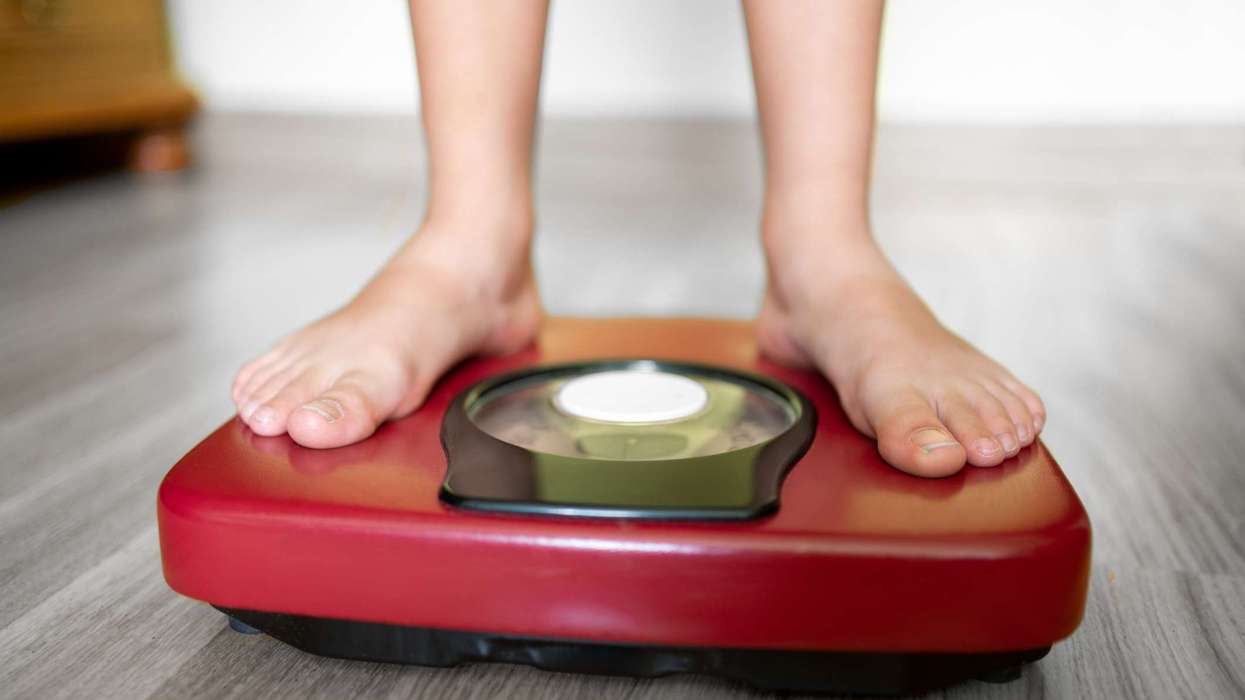

For people coming off weight-loss jabs, a daily pill could help them retain their slim figure, according to a study.
The drug, orforglipron, is already available in the US and is expected to be launched in the UK soon.
Trials found that patients who took this tablet daily for a year avoided regaining much of the weight.
The study was funded by the manufacturer Eli Lilly, which also makes the weight loss jab Mounjaro.
It found that participants who took orforglipron kept more than 70 percent of their earlier weight loss off, while the placebo group kept around 38-50 percent off.
However, more research is needed to find out how long someone might need to stay on treatment.
Like obesity jabs, Orforglipron also mimics a natural hormone that reduces appetite and makes the patient feel fuller for a longer period.
Eily Lilly rival Novo Nordisk has an oral version of its injectable GLP-1 drug, Wegovy, which has been approved in the US, with a UK decision pending.
'Sustaining weight loss a challenge'
Lloyds Pharmacy Online Doctor chief medical officer Dr Kieran Seyan said, “Oral GLP-1 medicines could represent an important evolution in weight management, especially for patients who have responded well to injections but are seeking a more acceptable long-term maintenance option.
“Sustaining weight loss is one of the biggest challenges in managing obesity, both physically and psychologically, so these findings are encouraging. They suggest that, where clinically appropriate, some patients may be able to move from injections to an oral treatment that could support weight maintenance.
“These findings should also be interpreted in context. They come from a defined trial population rather than real-world UK practice, so we still need to understand how this would translate into UK prescribing pathways and long-term patient support.
“The potential promise should be seen in the context of an overall weight-loss journey. Medical management is not a replacement for lifestyle support, and patients should still have access to wraparound care that supports long-term changes around diet, activity and healthy behaviours.
“Convenience should not come at the expense of safety. Whatever their format, GLP-1s are serious medical interventions, not lifestyle products. Patients need robust clinical checks, ongoing monitoring and clear information about side effects, as well as access to healthcare professionals throughout their treatment.”