






Key Summary
- The world's first trial of a fridge-free tetanus-diphtheria vaccine in Southampton has produced encouraging results.
- The new vaccine, known as SPVX02, was developed by UK-based Stablepharma using its StablevaX technology.
- Scientists found that SPVX02 can be stored at temperatures of up to 30°C for at least two years without losing its effectiveness.
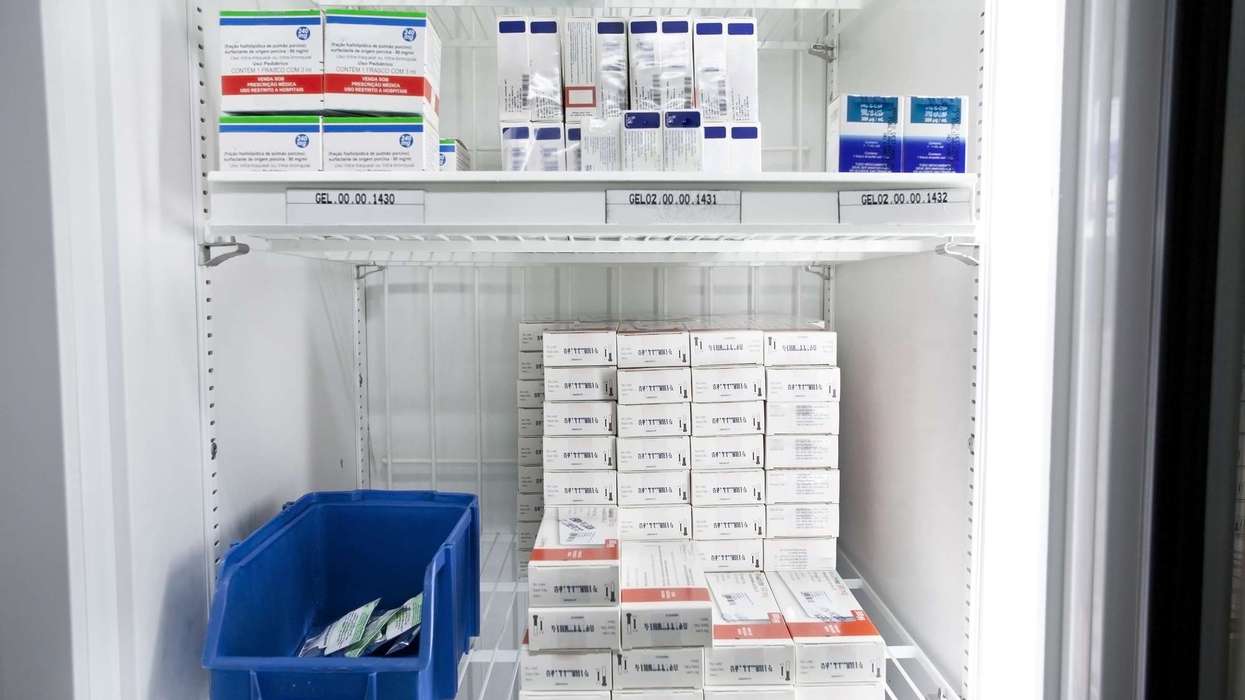
While vaccines play a vital role in containing the spread of various diseases, nearly half of them get wasted globally each year due to the lack of a foolproof cold chain, according to the World Health Organization.
Millions of vaccine doses are lost because of temperature changes during storage and transport.
The world's first trial of a fridge-free tetanus-diphtheria vaccine in Southampton has produced encouraging results.
Fridge-free vaccines have the potential to transform vaccine delivery by reducing this dependence on refrigeration.
This would improve access in more isolated communities and cut the environmental impact by reducing vast amounts of energy that lead to emissions.
The reformulated vaccine, known as SPVX02, was developed by UK-based Stablepharma using its StablevaX technology.
Successful trial
The phase I study, published today in The Lancet group’s eClinicalMedicine, found the vaccine did not show any serious adverse events.
The trial took place in the NIHR Clinical Research Facility at University Hospital Southampton and was delivered through the NIHR Biomedical Research Centre: Southampton.
Scientists found that SPVX02 can be stored at temperatures of up to 30°C for at least two years without losing its effectiveness.
They are now testing whether it can remain stable for four years.
Researchers have also demonstrated that the vaccine remains stable, and fully potent, after three cycles of extreme temperature fluctuation from -20°C to +40°C.
The randomised trial, which also involved the Medicines Evaluation Unit (MEU) in Manchester, enrolled 60 healthy adults.
By 28 days after vaccination, all participants receiving SPVX02 achieved protective antibody levels against both tetanus and diphtheria.
The vaccine will now undergo Phase 2b trial that will involve a larger group of participants.
Stablepharma's technology platform, StablevaX, can be applied to vaccines, small molecules, peptides and biologics.
They are currently working with a partner to thermostabilise small molecule oncology and anti-infective products, in addition to other vaccines.
A game changer
Professor Saul Faust, Director of the NIHR Clinical Research Facility in Southampton and Professor of Paediatric Immunology and Infectious Diseases at the University of Southampton, who led the study, said: “Keeping vaccines cold from the factory to the patient is one of the biggest challenges facing immunisation programmes worldwide. Our study suggests that this vaccine can remain safe and effective without refrigeration.
“If larger studies confirm these findings, this technology could help transform the way vaccines are stored and delivered around the world.”
Stablepharma CEO and Executive Director Özgür Tuncer, said: “This peer-reviewed validation represents a pivotal moment for our StablevaX platform and the future of thermostable vaccines. These findings strengthen the scientific and global health case for a new generation of fridge-free vaccines, particularly in regions where cold chain limitations hinder equitable access.”
Stablepharma founder and board member Dr Bruce Roser said: “Reliable and safe fridge-free vaccines could be a game changer for global health - helping life-saving vaccines reach millions more people, wherever they live, and making immunisation programmes more sustainable, reliable and equitable for future generations.”
Health and Social Care Minister Diana Johnson said: “This pioneering research demonstrates how British innovation is helping to tackle some of the biggest challenges in global healthcare, and providing life-saving breakthroughs for use around the world.
“Right now, people are dying of preventable diseases all over the world, not due to a lack of vaccines, but a lack of refrigeration. Fridge-free vaccines have the potential to be a game-changer for global health, especially for people in remote communities, or regions affected by conflict."
Chief Scientific Adviser at the Department of Health and Social Care (DHSC) and Chief Executive Officer of the NIHR, Professor Lucy Chappell, said: "Vaccines save lives, but only if they can reach the people who need them. Removing the need for refrigeration could be transformative for communities around the world.
"This is a great example of UK research once again leading the way to bring life-saving treatments to people where they are, making health equity a reality."