






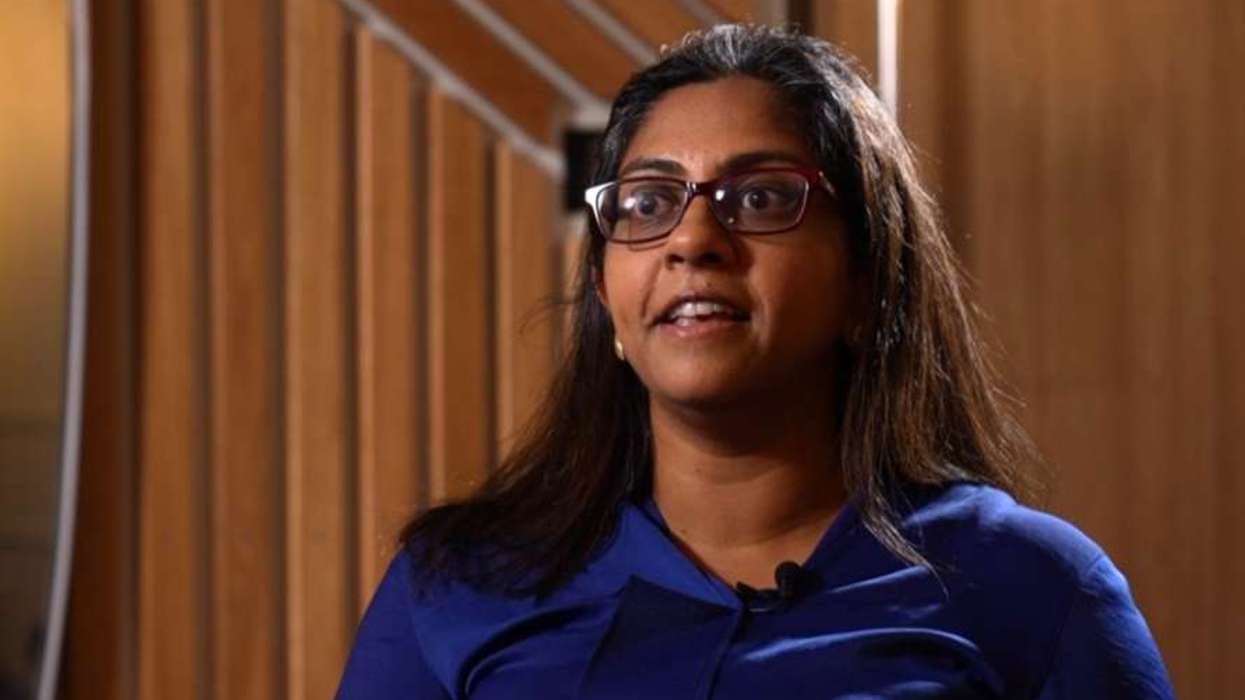

Every year, along with my wider family, I eagerly look forward to us getting together and celebrating Diwali – the annual festival of lights. Derived from the Sanskrit word Dipavali, it literally means a "row of lighted lamps" – and for Hindus, Sikhs and Jains this is an important celebration of light over darkness and wisdom over ignorance.
The festival takes place over five days sometime between mid-October and mid-November. As a Consultant Epidemiologist, working for the UK Health Security Agency, I am also acutely aware that Diwali always falls at the same time as winter respiratory viruses start to rise, and am always a little anxious of the possibility of some of us missing out on the celebrations, particularly those more vulnerable.
The importance of vaccines – wisdom over ignorance
This is where the Diwali celebration of “wisdom over ignorance” resonates with me as a clinician. NHS vaccination programmes for flu, RSV and Covid-19 are vital in protecting our loved ones.
As you would expect I ensure that those members of my family eligible for vaccination receive their vaccines as early as possible, especially older members of the family who are most at risk of becoming seriously unwell from these infections.
Crucial role of community pharmacies at the heart of our communities
The flu vaccine for our children is extremely important, not only protecting them but also helping to stop the spread to other members of the community. And this is where community pharmacies, being at the heart of many of our ethnic communities, also have a similar crucial role to play in helping promote and deliver these vaccines.
A simple conversation to reassure on vaccines is often enough
We know that uptake of different vaccines – those in the childhood, adolescent and adult programmes – is lower among many ethnic groups. This is for a number of often complex reasons and not just about hesitancy and trust as is often reported. But among some groups we know there can be cultural beliefs and misinformation which leads to hesitancy.
Importantly, our annual vaccination survey consistently tells us that having a simple conversation with a trusted healthcare professional is key to reassure and encourage uptake.
Of course, it’s much bigger than helping to protect communities just for Diwali. While currently levels of the three major winter respiratory viruses – flu, Covid-19 and RSV – are low, we do expect to see flu increasing during November, usually peaking in December or January. The impact on the NHS from respiratory viruses among those unvaccinated every winter is huge.
It’s important people are aware that being vaccinated doesn’t guarantee you won’t contract the virus and get sick, but it will help you fight off the worse effects and getting severely ill and ending up in hospital.
All those eligible for the flu, Covid-19 or RSV vaccines are offered the vaccine free because they are at greater risk of serious illnesses from these diseases and being hospitalised. Tragically every year we see these viruses causing thousands of deaths, particularly among older people.
Vaccinations – make every contact count
Most years, flu usually starts circulating among children at school and then the virus spreads into the community. So having a conversation and encouraging parents to ensure their children get the nasal spray or the alternative porcine-free vaccine (as some faith groups prefer) is key – not only in protecting the child but helping to stop the wider spread especially to those more vulnerable, like younger siblings or grandparents or people with weakened immune systems.
For most children these respiratory viruses are not so severe, but every year children under the age of 5 years have one of the highest rates of hospital admissions due to flu compared to other age groups.
Pregnant women are also an important group for us to promote both the flu and RSV vaccine. The flu vaccine not only protects the mother but also gives protection to her fetus and newborn baby. A study published in the Lancet found that the maternal RSV vaccine was 72% effective in preventing hospitalisation for infants whose mothers were vaccinated more than 14 days before delivery. Ensuring every contact counts is so important when it comes to vaccinations.
Shining a light and speaking wisdom
Initiating a conversation around vaccines may not always be easy, but these chats are so important and potentially life-saving. Chances are your intervention will have some impact – maybe not always at first, but shining a light, speaking wisdom, showing you care – winning hearts and minds – will pay off in time.