





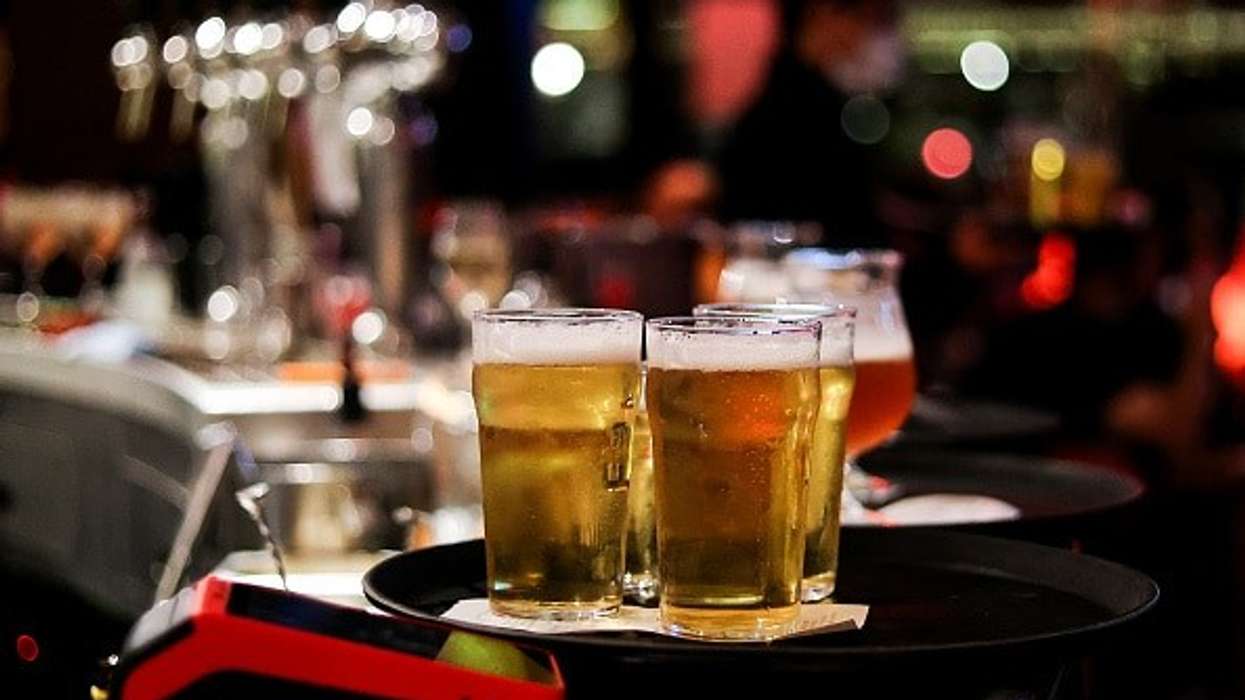

Heineken has urged British pubs and bars to adapt to the booming use of weight-loss drugs as they pose a threat to beer and cider sales.
The Dutch brewer told hospitality customers that GLP-1 drugs can reduce the desire to drink and put pressure on beer and cider sales from "fullness and fewer serves", while warning that traditional multi-pint drinking occasions could become harder to sustain, Reuters reports.
The previously unreported presentation, sent to hospitality customers this month, advised venues to promote half-pints, low- and no-alcohol drinks and pair drinks with small plates, or risk declines in customer visits and spending as use of the medicines becomes increasingly mainstream in Britain.
Heineken told Reuters the presentation was shared as part of its regular engagement with UK hospitality businesses to help them understand how the market is evolving.
"We see some changes in consumption behaviour among (GLP-1) users and will continue to monitor how these behaviours evolve in 2027," Heineken said.
Europe is the Dutch brewer's largest market by revenue, but growth has been sluggish. Heineken has singled out Britain, where it owns more than 2,000 pubs, as a relative bright spot.
Beer generated nearly £14 billion of sales in British pubs, bars and restaurants in the year to February 2026, with less than £300 million of that from no- and low-alcohol beers, according to a Heineken UK report.
Although drinks companies have largely played down the threat from GLP-1 medicines, emerging spending data points to an impact on purchases.
Surveys in Europe and the UK by Circana, market researcher NIQ and specialist UK-based hospitality researcher KAM show a drop in drinking by GLP-1 users.
The Scottish Licensed Trade Association (SLTA) had found during a recent survey that GLP-1 drugs was affecting beer sales.
SLTA managing director Colin Wilkinson said, “A new trend has also emerged with 16% of respondents saying visits have declined because of the weight-loss drugs phenomenon.”
'Prozac moment'
Ten of 11 GLP-1 users Reuters interviewed said they had reduced their drinking, sometimes significantly, saying it left them feeling uncomfortable or unwell, or they simply no longer had any desire to drink.
UK-based Daniel Cornwell, founder of hospitality executive recruitment business SPE Resourcing, said he used to drink regularly at work events and on weekends but now finds alcohol causes him discomfort and results in a multi-day hangover.
GLP-1's effects on the brain may also affect users' motivation to drink, said Joseph Schacht, a professor at the University of Colorado Anschutz, who led a randomised controlled trial on the impact of GLP-1s on people with alcohol use disorder. He said trials have consistently shown a reduction in cravings and consumption for people with AUD.
Schacht said the medicines could create a potential "Prozac moment" for AUD treatment, while also posing a challenge for alcohol producers if broader groups of drinkers cut back too.
NHS Mounjaro rollout 'unambitious'
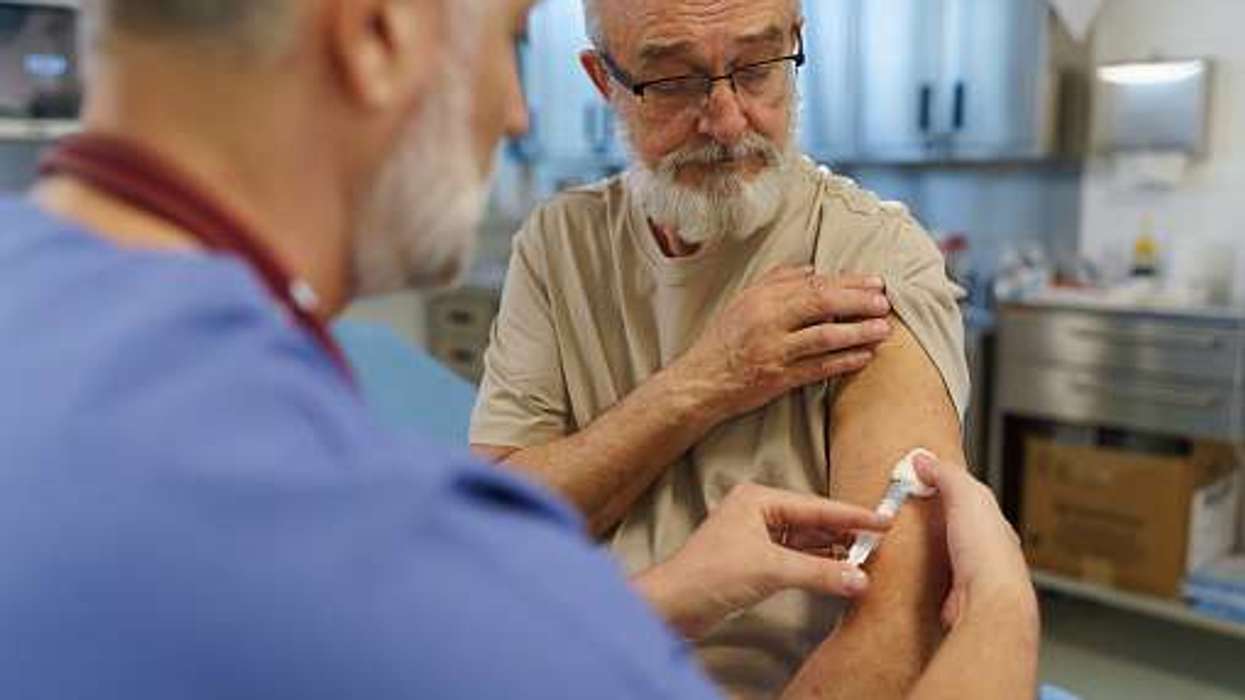
The UK Parliament's Health and Social Care Committee (HSCC) has called for an overhaul of the NHS’s support for people battling obesity and wanted weigt-loss drugs to be more accessible to the public.
The committee said that GLP-1 medications are out of reach for the majority of eligible people due to their scarce availability on the NHS, and this has created a two-tier system determined by ability to pay.
The report said the current plans to rollout Mounjaro are "unambitious' given the scale of the challenge of obesity and reach a woefully small number of people who could benefit from this lifechanging treatment.