






GP practices across England are being funded to provide more proactive care to vulnerable patients this winter as part of a £40m programme aimed at preventing serious illness and reducing avoidable hospital admissions.
The programme, announced by Prime Minister Andy Burnham and Health Secretary Yvette Cooper, is planned to benefit up to 300,000 patients, with funding supporting tailored interventions including medication reviews, health checks, home assessments and nurse-led respiratory clinics.
The initiative aims to help patients remain well at home by identifying deteriorating health earlier and addressing their needs before they reach a crisis point requiring emergency hospital treatment.
Prime Minister Andy Burnham said: “If we want to take the pressure off our hospitals this winter, we’ve got to keep people well at home. So, we’re backing GPs to reach the most vulnerable people early, before a small problem turns into a trip to A&E.
“People deserve the right care in the right place. And our NHS staff, who work so hard, deserve the right tools to provide it.”
He added: “With new technology, upgrades for hospitals and more care available closer to home, we’ll make sure the NHS is there for everyone when they need it.”
Secretary of State for Health and Social Care Yvette Cooper said the programme, funded through Primary Care Networks (PCNs), "would enable GPs and local teams to provide greater support to patients most vulnerable during the winter months – hence, less likely for them to need hospital care.”
Cooper added that preparations were already under way following a particularly challenging summer for the NHS due to the effects of extreme heat. She also highlighted the rollout of flu vaccinations, investment in additional urgent care capacity and stronger partnerships with social care as part of the wider preparations for winter.
Funding to support preventative care
The funding will be ring-fenced, with PCNs eligible to receive £126 for each patient supported under the programme.
GPs will be responsible for proactively identifying patients they consider most at risk of serious illness during winter and arranging additional care which could include home assessments to prevent falls, medication reviews, routine health checks and nurse-led respiratory clinics.
The government said shifting more care from hospitals into local communities would help ease pressure on emergency departments and would also enable people to receive care closer to home.
Dr Amanda Doyle, National Director for Primary Care and Community Services at NHS England, said general practices were well placed to identify patients at greatest risk because of their central role within local communities. “By offering more support to our vulnerable patients such as home assessments to prevent them ending up in hospital this winter.”
Professor Andy Brooks, Clinical Chair of the National Association of Primary Care (NAPC), welcomed the investment, and described the programme as a “first step” and called for further national policy action to establish sustainable, long-term solutions.
Ruth Rankine, Director of Primary Care, Community and Neighbourhood Health at NHS Alliance, also welcomed the funding, saying it would give practices the capacity to intervene before patients’ conditions worsened. She added that this type of care should be a permanent part of neighbourhood health funding and delivery.
Wider NHS winter preparations
The initiative forms part of wider NHS preparations for winter, the government said, including additional care capacity, expanded Pharmacy First Services and seasonal vaccination programmes.
By 1 November, more than 13.6 million people in England had received their flu vaccine, approximately 300,000 more than at the same point last year, including 2.4 million school-aged children, almost half a million more than the previous year.
Community pharmacies will also contribute to winter preparations through Pharmacy First services and vaccination provision, helping patients access care closer to home.
The NHS has received £190 million through the budget to manage winter pressures, alongside £140 million for 14 new urgent care schemes.
A further 25 new or expanded urgent care sites are expected to open this winter. These include a £29 million same day emergency care unit at William Harvey Hospital in Ashford, Kent.
Professor Victoria Tzortziou Brown, RCGP President, welcomed the focus on prevention but stressed that practices needed flexibility to address health inequalities and differences in patient needs. She also called for sustainable investment beyond short-term initiatives.
Dr Matt Swallow, Clinical Lead at Asthma + Lung UK, highlighted the particular risks winter poses to people with COPD, explaining that cold weather and respiratory infections can worsen symptoms and trigger serious exacerbations, and that this was a positive step towards avoidable deterioration and hospital admissions.
Heart diseases, frailty and respiratory conditions will be targeted
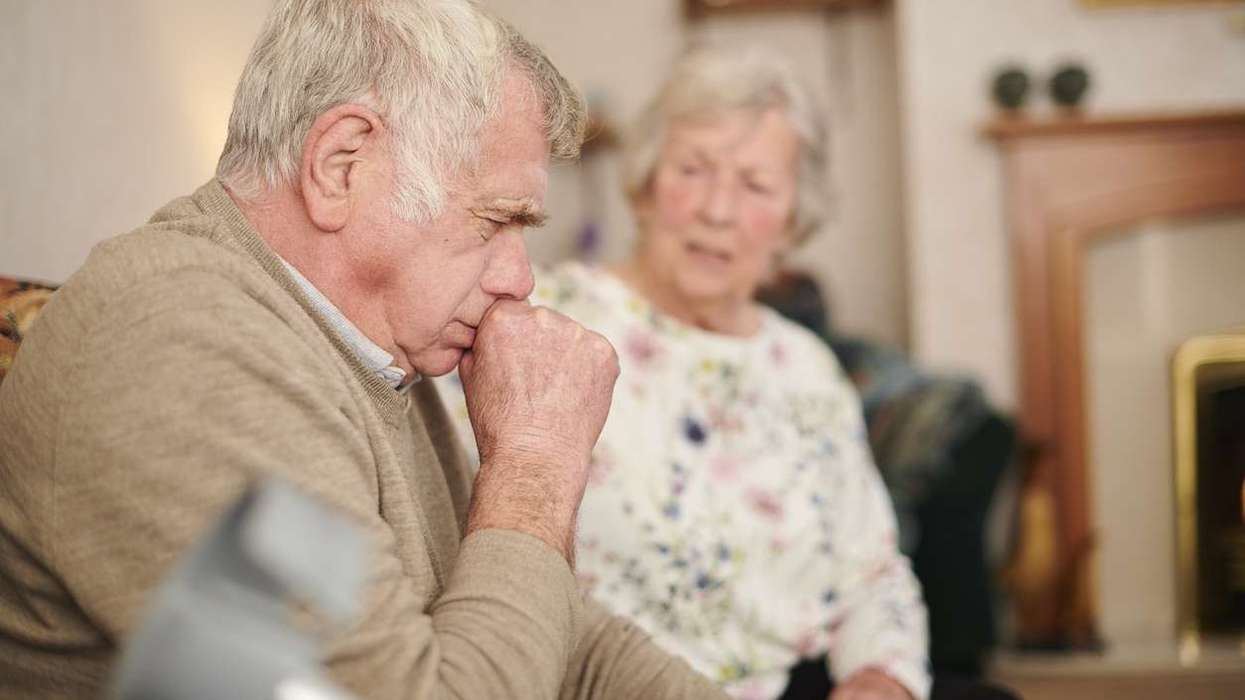
The scheme will prioritise patients with heart disease, frailty, and chronic obstructive pulmonary disease (COPD).
Patients may receive medication reviews, health checkups and home assessments to identify risks such as falls, and nurse-led respiratory clinics, with care tailored to individual needs.
GP practices will identify those most at risk.
The programme aims to identify health problems early, prevent deterioration and help vulnerable patients remain well at home, reducing the need for emergency hospital treatment.