






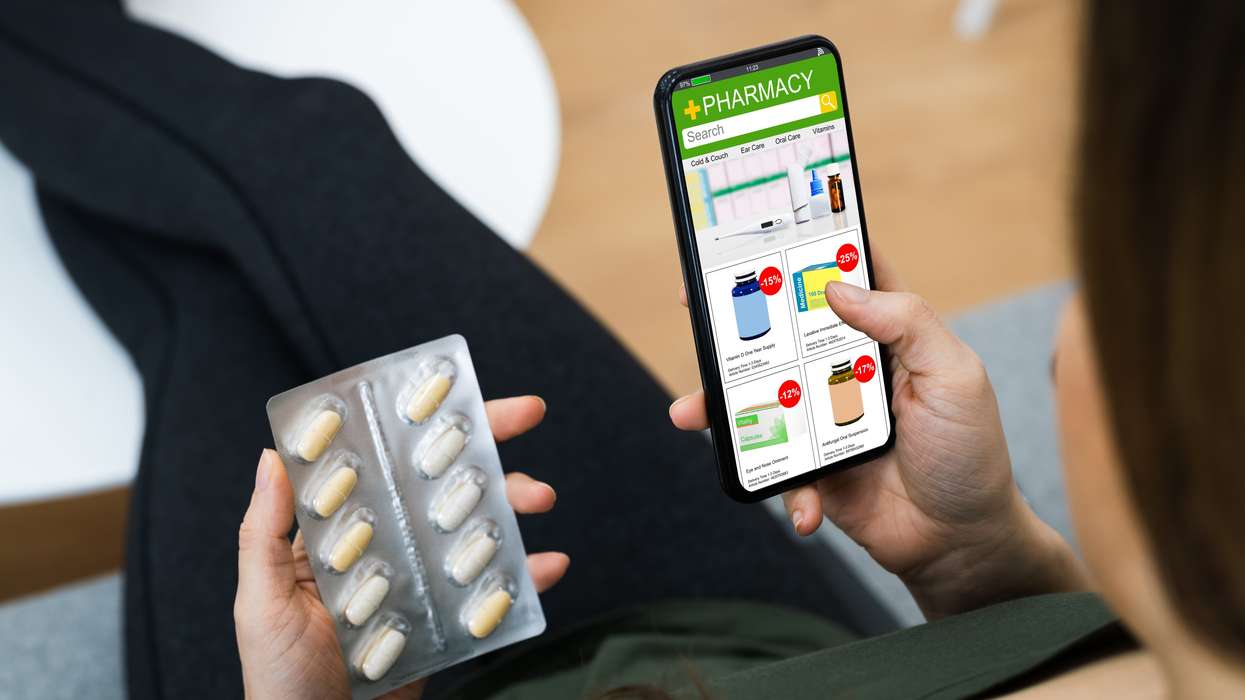

Those buying weight-loss tablets online should watch out for fakes, as the growing demand is likely to attract illegal sellers.
The Medicines and Healthcare products Regulatory Agency approved the semaglutide tablet (Wegovy) for weight loss on 11 June, creating a needle-free alternative.
Consumers are being warned against fake weight-loss tablets being promoted on social media and unregulated websites.
Fake medicines may contain the wrong dose, no active ingredient or entirely different and potentially harmful substances.
The MHRA has already uncovered organised criminal networks manufacturing illegal weight-loss medicines and seized almost £45 million worth of illegal medicines during 2025.
Sobia Qasim, Superintendent Pharmacist at Curely, warned that counterfeiters see weight-loss pills as a great opportunity.
Unlike injectable pens, tablets can be placed in ordinary bottles, blister packs or envelopes and posted without specialist equipment, potentially making counterfeit products appear more convincing to consumers, she added.
Sobia said: “The arrival of an approved weight-loss tablet is an important development for patients, particularly those who are uncomfortable with injections. However, high demand and widespread online interest can also attract illegal sellers looking to exploit people who want quick or cheaper access.
"A tablet may look less suspicious than an injection because consumers are accustomed to receiving pills through the post. But a professional-looking box, blister pack or website does not prove that the medicine is genuine.
"Prescription weight-loss medication should only be supplied after an appropriate clinical assessment by a qualified healthcare professional. Any seller willing to bypass that process should immediately raise concern.”
Warning signs
She suggested that customers should watch out for the following warning signs.
If the medicine is sold through social media messages: Genuine prescription medicines should not be bought through private messages, marketplace listings or informal social media accounts.
If sold without medical consultation: Weight-loss medication is not suitable for everyone. A regulated provider should assess your health, current medicines and eligibility before prescribing it.
When the seller guarantees a specific amount of weight loss: The results differ between patients, and guaranteed outcomes are a marketing tactic, not responsible clinical advice.
You are pressured to act quickly: Countdown timers, limited stock claims and urgent payment requests may be used to stop consumers checking whether a provider is legitimate.
It is very low-priced: A price substantially below recognised providers may indicate that the medicine is fake, unlicensed, incorrectly stored or obtained illegally.
The tablets arrive loose or in unfamiliar packaging: Medicines should arrive in sealed, labelled packaging with clear dosage information and a patient information leaflet.
There is no registered pharmacy information: Consumers should be able to identify the pharmacy supplying the medicine and verify that it is registered with the appropriate UK regulator.
Sobia has warned that counterfeiters may copy recognised brand names, logos, batch numbers and packaging to make illegal products appear authentic.
“Counterfeiters can reproduce colours, logos and packaging extremely convincingly. Consumers should never judge a medicine by appearance alone."
What to look out for
Before purchasing weight-loss medication online, consumers should check the following.
They should check whether it has a genuine clinical assessment, and a qualified prescriber has reviewed the order.
The dispensing pharmacy is registered in the UK and clear contact details are available.
The provider has asked about existing health conditions and medication, and follow-up support is available.
The medicine arrives sealed and properly labelled, and it has instructions and patient safety information.
If you receive fake medicine
Anyone who believes they have received a counterfeit or suspicious medicine should not take another dose until they have spoken to a pharmacist or doctor.
Consumers should keep the packaging, receipt and details of the website or seller. Suspected fake medicines and side effects can be reported through the MHRA Yellow Card scheme.
Those who experience severe or persistent abdominal pain, repeated vomiting, difficulty breathing, loss of consciousness or symptoms of dangerously low blood sugar should seek urgent medical assistance.
Sobia said: “People may feel embarrassed if they have bought medication from an unofficial seller, but healthcare professionals need to know exactly what may have been taken so they can provide the right treatment.
"Do not throw the packaging away and do not assume that feeling unwell is simply a normal side effect. With an unregulated product, there is no reliable way to know what the tablet contains or what dose has been supplied.
"The safest route is always a properly regulated service offering clinical assessment, genuine medication and ongoing professional support.”


