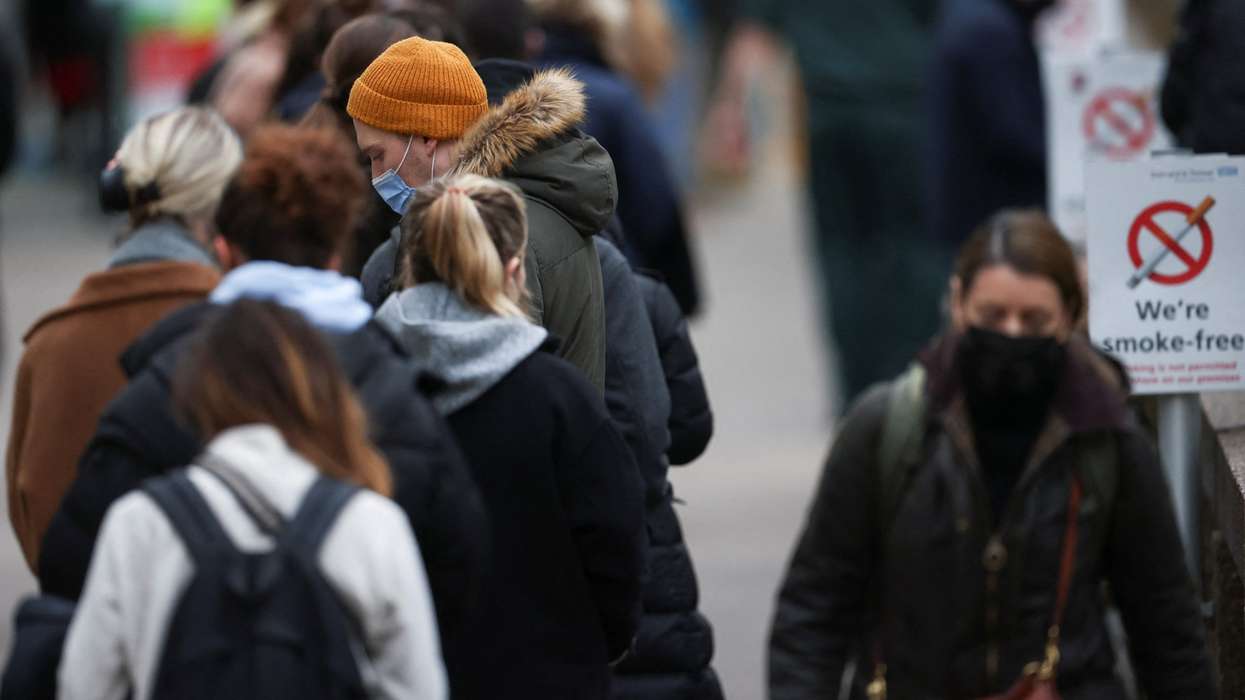







An estimated 2,877 heat-associated deaths in England during May and June 2026 have underlined the growing public health risks of extreme temperatures, as world leaders gather at COP31 to discuss how healthcare systems can prepare for climate change.
The figures, published by the UK Health Security Agency (UKHSA), cover two heat episodes in late spring and early summer. An estimated 753 deaths were associated with high temperatures in May and 2,124 with June.
The interim estimates are already close to the highest annual heat-associated mortality figures previously recorded by UKHSA. The agency estimated 2,985 such deaths across the whole of summer 2022, while the corresponding figures were 1,504 in 2025 and 1,311 in 2024.
UKHSA cautioned that the 2026 figures are provisional and may change as more complete death registration data becomes available. They also exclude the prolonged July heat episode, with the final assessment expected in early 2027.
Separate research by the Met Office, Imperial College London and the London School of Hygiene and Tropical Medicine estimated that human-induced climate change was responsible for around 42 per cent of heat-related deaths across the May and June heatwaves in England and Wales. The researchers estimated that temperatures were 3-4°C higher because of human-caused warming.
The two assessments use different methodologies and geographical coverage, so their figures should not be treated as directly comparable. Together, however, they highlight the health burden associated with increasingly intense heat.
The issue has taken on added significance at the 31st UN Climate Change Conference (COP31), being held in Antalya, Türkiye, from November 9 to 20. Health has been placed among the conference's priority themes, with discussions focusing on making health systems more resilient to climate-related risks.
Why is climate resilience becoming a healthcare priority?
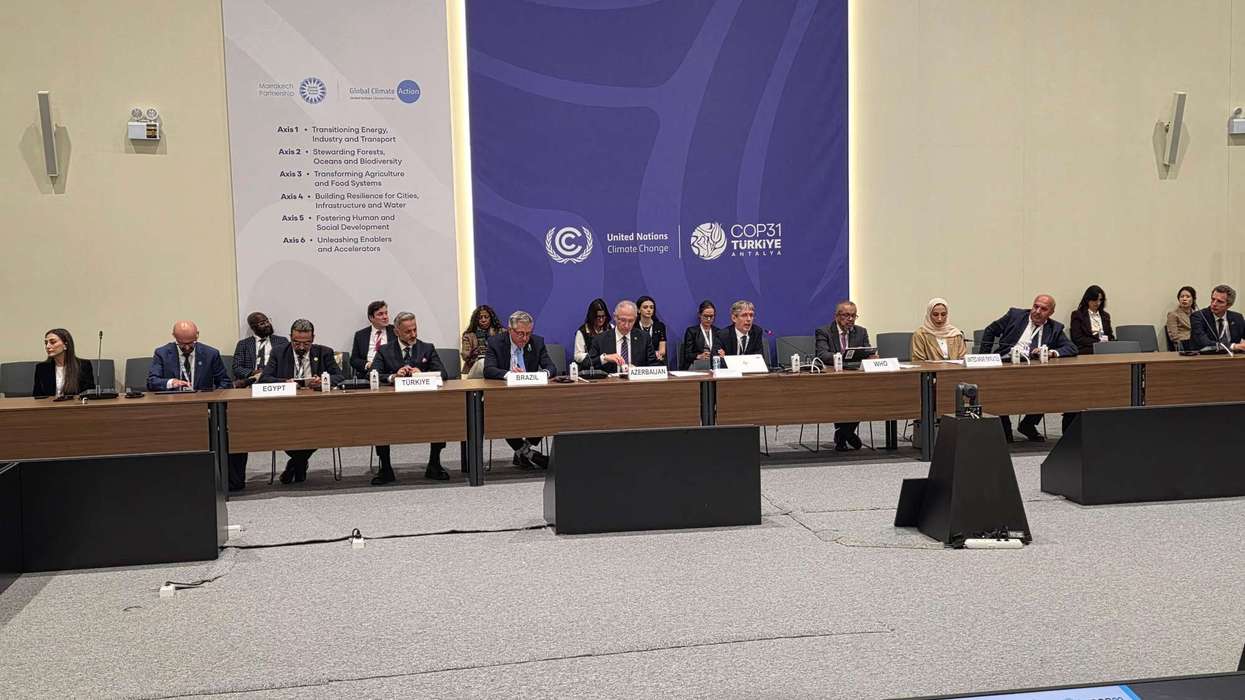
Speaking at the COP31 Health Day ministerial roundtable (pictured) on Monday (9), UN Climate Change Executive Secretary Simon Stiell warned that climate change could turn existing weaknesses in healthcare systems into life-threatening emergencies.
He described scenarios in which hospital wards become too hot, power failures disrupt services, refrigerators storing medicines stop working, floods contaminate water supplies and roads to clinics become inaccessible.
"Health belongs at the heart of climate action," Stiell said, arguing that climate cooperation must protect the systems people rely on.
He called for national adaptation plans to address practical questions, including whether clinics can remain operational during heatwaves, maintain access to safe water after floods and identify disease outbreaks early.
Stiell also called for greater investment in resilient healthcare facilities, reliable clean energy, water supplies, early-warning systems and training for health workers.
The COP31 Health Day also saw the launch of the Antalya Initiative for Health Resilience (AIR), a voluntary, non-binding initiative developed by Türkiye in cooperation with the UNFCCC Secretariat and the World Health Organization (WHO)-hosted Alliance for Transformative Action on Climate and Health.
The initiative aims to help countries share experience and practical approaches to strengthening health systems against climate-related risks.
WHO Director-General Tedros Adhanom Ghebreyesus said the main barrier to implementation was not a lack of knowledge about what needed to be done, but insufficient resources.
He cited WHO's 2025 Health and Climate Change Global Survey, in which more than 90 per cent of countries identified insufficient finance as a major obstacle to implementing their national health and climate plans. Around 80 per cent also reported a lack of capacity.
The WHO has called for climate resilience and low-carbon healthcare to be incorporated into national climate plans, with health given greater consideration in climate negotiations and financing decisions.
What does the COP31 agenda mean for healthcare and pharmacies?
The Global Climate and Health Alliance, a coalition of more than 300 health professional and civil society organisations, has identified several priorities for the negotiations.
These include improving the availability and quality of climate finance for low- and middle-income countries, developing indicators to monitor progress on health-protecting adaptation, and setting out clearer roadmaps for transitioning away from fossil fuels.
The alliance has also called for health to be included in just transition arrangements and the next Global Stocktake, the five-yearly process that assesses progress towards the Paris Agreement's climate goals.
For healthcare providers, the implications extend beyond the direct effects of extreme temperatures. Heat can affect medicine storage, increase dehydration risks among patients taking certain medicines and place additional pressure on hospitals and community services.
Community pharmacies have a role in helping patients understand how hot weather can affect their medicines and treatment. The Medicines and Healthcare products Regulatory Agency has previously advised people to store medicines away from high temperatures, with many products requiring storage below 25°C unless their packaging specifies otherwise. Refrigerated medicines, including insulin, require particular care.
Pharmacy Business has previously reported on MHRA advice on protecting medicines during heatwaves and pharmacists' guidance on safe medicine storage as temperatures rise.
There is also a longer-term sustainability challenge for the sector. Medicines and healthcare supply chains contribute to the NHS's carbon footprint, while pharmacies can support efforts to reduce waste and emissions through appropriate prescribing, medicines disposal and inhaler-return initiatives.
The NHS has encouraged patients to return used or expired inhalers to community pharmacies as part of its efforts to reduce emissions from medicines. Its updated Green Plan guidance sets out measures to improve the environmental impact of medicines and respiratory care.
The COP31 discussions are therefore relevant to pharmacies both as healthcare providers responding to climate-related health risks and as part of a wider health system working to reduce its environmental impact.
With the UK already recording a substantial mortality burden during the first two major heat episodes of 2026, the challenge for healthcare services is to move beyond responding to extreme weather towards preparing for its effects on patients, medicines and the delivery of care.