






The Indian pharmaceutical sector has reached an inflection point and is well-positioned to shift from its role as a high-volume generic drug supplier into a hub for novel drug discovery, clinical research, and proprietary therapeutics, according to top industry leaders.
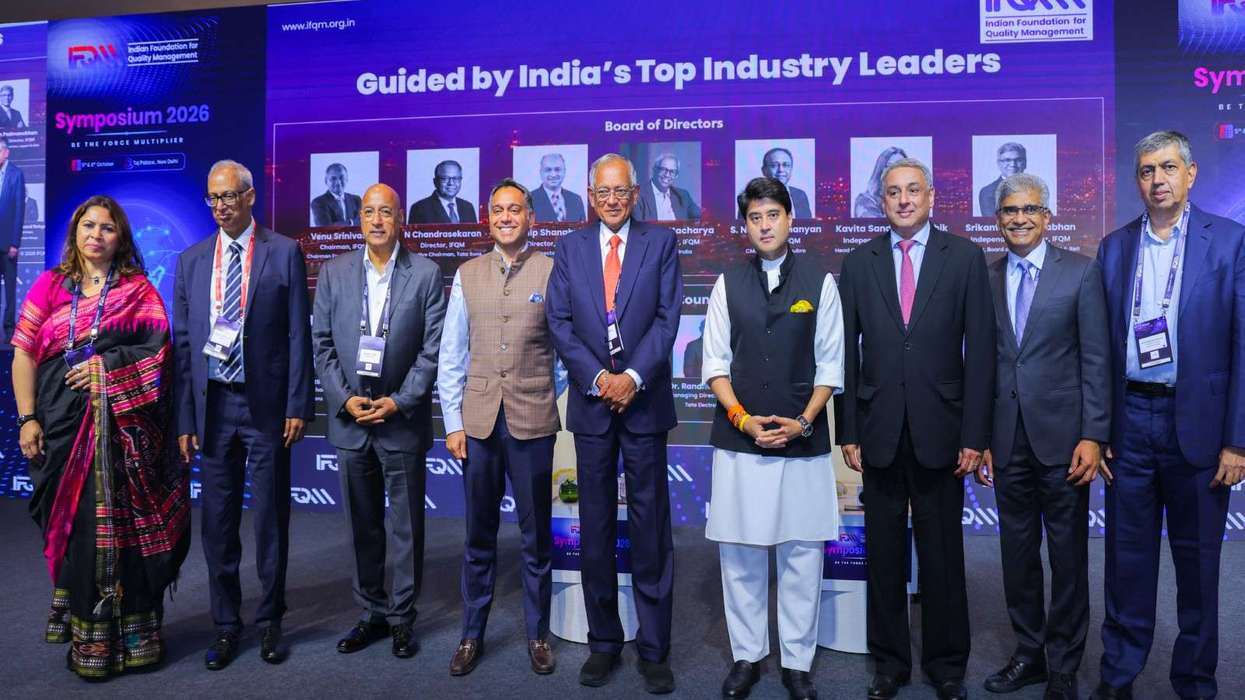
Speaking at the Indian Foundation for Quality Management’s (IFQM) Third Annual Symposium in New Delhi on 5 Oct, Sun Pharma Executive Chairman Dilip Shanghvi, Biocon Executive Chairperson Kiran Mazumdar-Shaw, and Glenmark Pharmaceuticals Chairman and Managing Director Glenn Saldanha jointly emphasised that the coming decade will be decisive for the country in transforming the "pharmacy of the world" into an intellectual property (IP) powerhouse.
Dilip Shanghvi said that the Indian sector has achieved the critical mass and financial resilience needed to absorb long development timelines and launch novel compounds globally.
He commented: “We are at a stage where Indian industry has reached a size where we can invest in innovation and develop the capability to launch products globally. Generics account for close to 20% of the pharma market globally, with innovative products making up the largest share. Investing seriously in innovation would help Indian companies succeed and become big globally.”
Shanghvi urged company founders and chief executives to see past short-term gestation hurdles, embrace the multi-year risk profiles inherent in novel research, and take advantage of state funding schemes such as the PRIP (Promotion of Research & Innovation in Pharma-MedTech Sector) programme.
Glenn Saldanha drew a direct comparison to China's pharmaceutical transformation journey.
“The next decade is very important for India to move from being the pharmacy of the world, in terms of generic medicines, to becoming an innovation-led country. India is now at a stage similar to where China was before its rapid rise in pharmaceutical innovation,” he said.
Saldanha highlighted Glenmark’s recent licensing agreement with global biopharma major AbbVie for an investigational oncology asset as proof that homegrown pipelines can yield globally competitive, exportable IP.
He also pointed to targeted state-backed vehicles – such as the BRIDGE, RDI, and Bioshakti initiatives – as evidence that policymakers recognise the need to nurture research and development pipelines across small, mid-cap, and large-scale enterprises.
Biocon's Kiran Mazumdar-Shaw stressed that scientific prowess alone is insufficient without a robust surrounding infrastructure.
“India possesses the scientific talent and capabilities needed to take innovation from the lab to the clinic and into the market, but requires a credible ecosystem built around quality, research and regulatory excellence,” she said.
Mazumdar-Shaw called for meaningful regulatory streamlining to accelerate clinical trial approvals, encouraging regulators to deploy artificial intelligence and digital validation tools to compress drug review timelines.
She added that moving up the value chain will deliver dual benefits: expanding global enterprise value while granting domestic patients earlier, more equitable access to cutting-edge therapies addressing local unmet clinical needs.