





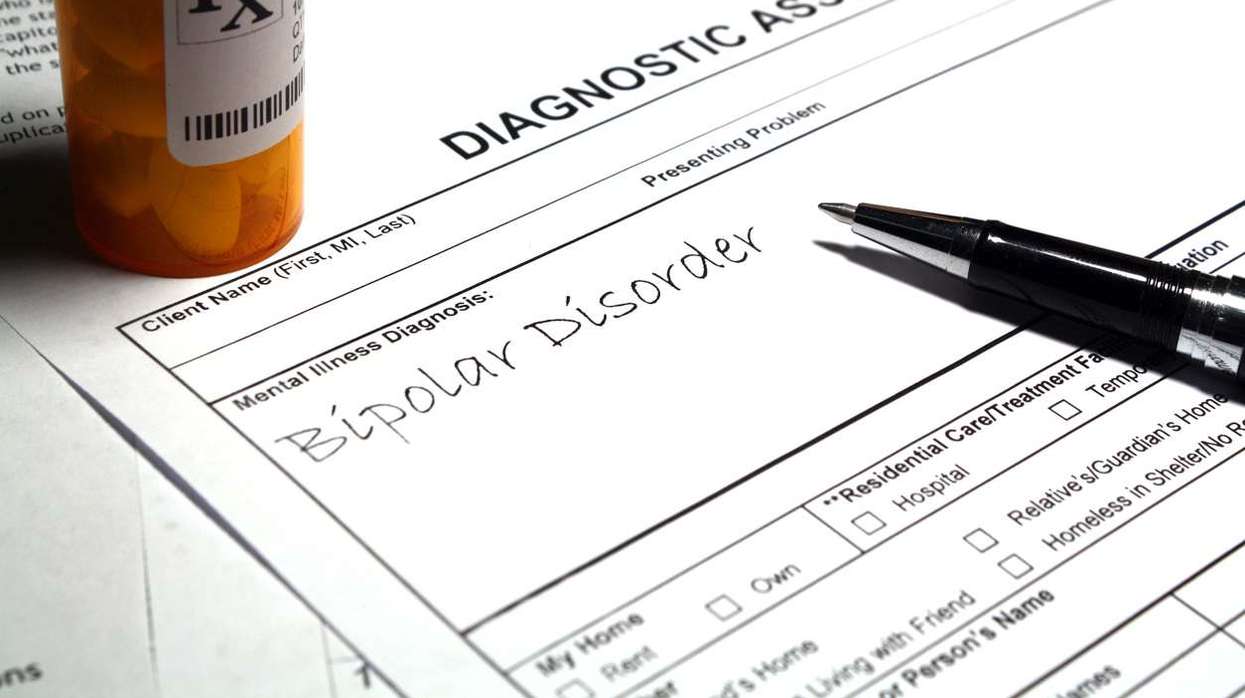

Lithium is increasingly being treated as a ‘last resort’ for people with bipolar disorder, despite being recommended as a first-line long-term treatment under NICE guidance 2025, the Health Service Safety Investigations Body (HSSIB) has warned.
In an investigation report published on 12 November 2026, HSSIB identified variations in prescribing decisions, patient discussions and monitoring arrangements, raising concerns that people who could benefit from lithium are not always being offered the medication.
Bipolar disorder is a serious mental illness often described by mania, hypomania and episodes of depression. Around 1 in 50 adults experience this condition during their lifetime. Its high recurrence rate can significantly have a drastic impact on day-to-day life of some individuals.While there are treatments such as psychological therapies, medications and health care services, they are not as effective as lithium for long-term pharmacological treatment for bipolar disorder.
Lithium is a mood stabiliser with the largest evidence base for efficacy compared to other treatments. It has been used in psychiatry for more than 75 years and can help prevent relapse, self-harm and suicidal ideations.
Despite its recognised effectiveness, prescribing has declined. One study cited in the report found that the proportion of people with bipolar disorder prescribed lithium fell from 30% in 2001 to around 16% in 2018.
The HSSIB investigation included a survey completed by 645 people with bipolar disorder, alongside visits and interviews with healthcare professionals across mental health trusts and GP practices.
Patients not always offered lithium as a first-line option
HSSIB found that some people with bipolar disorder had tried several other medications before lithium was discussed with them, while others were never offered it as an option.
The investigation heard that lithium was sometimes considered a ‘last resort’, rather than being discussed as an early treatment option in line with national guidance. It also found that conversations between healthcare professionals and patients frequently focused on lithium’s risks, side effects and monitoring requirements before explaining its potential benefits.
HSSIB warned that this could influence patients’ decisions and discourage them from considering the treatment.
Matthew Mansbridge, a senior safety investigator at HSSIB, said: “For many people with bipolar disorder, lithium is life-changing, but not everyone who could benefit is being offered it”.
“One of the biggest barriers is confidence that people taking lithium will get the regular monitoring they need. Currently, there is no national oversight of this”, Mansbridge added.
Rosie Phillips, Deputy CEO of Bipolar UK, said: “We’re concerned to see lithium prescribing continuing to decline even after knowing what a difference it could make to the lives of some people with bipolar”.
She added: “We welcome HSSIB’s recommendations to strengthen monitoring and give both clinicians and patients a great sense of confidence to consider lithium, where clinically appropriate”.
Gaps in monitoring raise patient safety concerns
The report highlighted inconsistencies in lithium monitoring across primary and secondary care, with practical requirements affecting clinicians’ confidence in prescribing the medication.
Patients taking lithium require regular blood tests to monitor their lithium levels, alongside checks on kidney and thyroid function and calcium levels.
However, some patients reported having to arrange their own tests or to remind GPs when monitoring was due. Others experienced difficulties with continuity of care when responsibility between mental health services specialists and primary care.
One patient reported that their GP practice had lost their blood test results from their repeat prescription, believing it had not been completed.
It was also found by HSSIB that dedicated lithium clinics were no longer widely available.
HSSIB calls for national oversight
Following its findings, HSSIB made two safety recommendations that:
- The Royal College of Psychiatrists work with relevant stakeholders to publish a national position statement and protocol on lithium use for bipolar disorder. This should clarify expectations around monitoring, local oversight and assurance, while reinforcing lithium’s consideration as a first-line treatment.
- NHS England and The Department of Health and Social Care (DHSC) should establish national oversight and assurance processes to improve the quality and safety of lithium treatment across care settings.
- These should cover treatment initiation, prescribing, adherence to monitoring requirements, identification of higher-risk patients and appropriate action following abnormal results.
HSSIB also issued a safety observation calling for clearer pathways between healthcare organisations and physical health teams to ensure timely follow-up when lithium affects a patients’ physical health.
The report urged healthcare organisations to improve coordination between services and ensure patients receive consistent information about the benefits and risk of treatment.
END.