






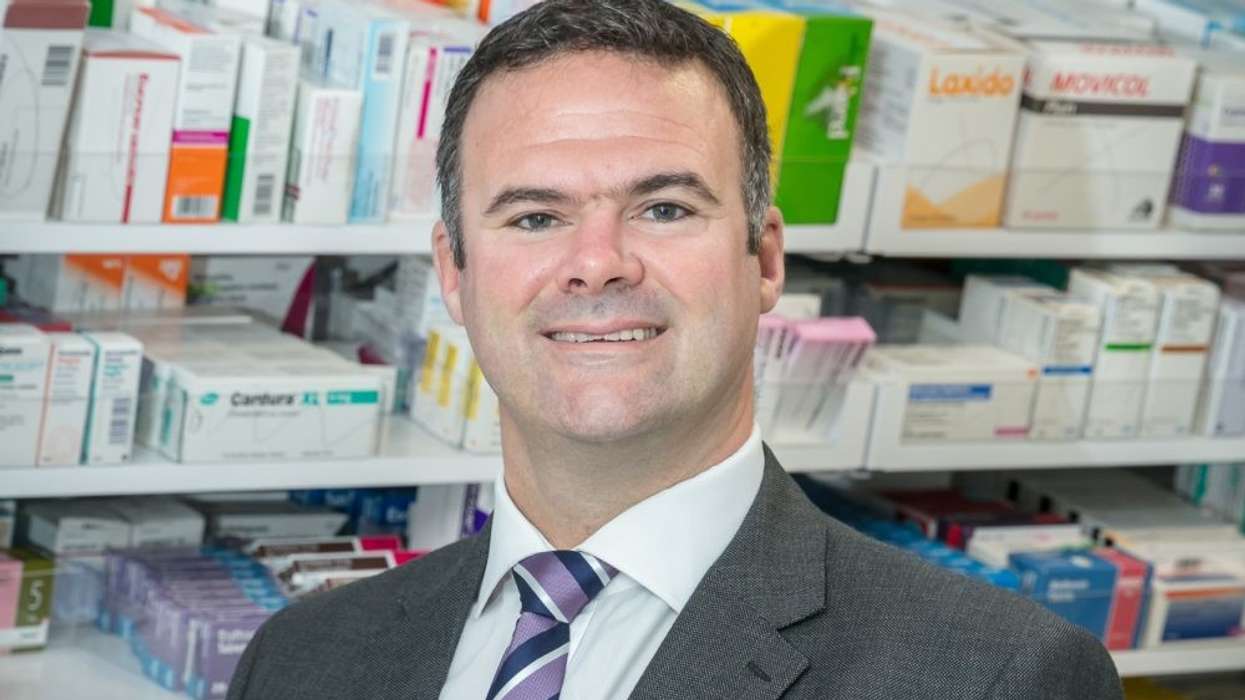

The Company Chemists Association (CCA) has said that the Government’s response to the Lords Public Services Committee report on medicines security has failed to address some major challenges being faced by the pharmaceutical sector.
CCA chief Malcolm Harrison said, “It is clear that there is a considerable amount of work underway that is intended to ensure the supply of medicines in the UK.
"Unfortunately, the response fails to address the main challenge facing the supply of over 1 billion NHS-prescribed medicines in primary care - the medicines people are prescribed by their GP and collect from their pharmacy.
"The response does provide some solutions for dealing with shortages in primary care once they have occurred; however, it does not address how to build longer-term resilience in the supply chain to prevent shortages in the first place.
"Due to the very low prices the government sets for generic medicines, many pharmacies are now supplying NHS prescriptions at a loss. Over 1,500 pharmacy closures in the past decade stand as testimony to this uncomfortable truth.
"As our supply chain resilience reception in Parliament this week highlighted, the UK is seen globally as an unattractive market for manufacturers to sell medicines into.
"To ensure the security of medicines supply in the UK the government must make additional and sustained investment across the whole of the UK’s medicines supply chain. This includes funding to stabilise the community pharmacy network and investment in generic medicines pricing.”
Low price market
During the Medicines Supply Resilience Group (MSRG) reception at the House of Commons on Tuesday (14), Harrison had pointed out that the prices of generic medicines are so low that "each year over 850 million packs, each for a month's supply of medicine, are now supplied in the UK for less than £1."
"We currently have one of the lowest-priced generic medicine markets in the world. This is a good thing, but it comes with its own risks.
"Due to the low prices in the UK, globally scarce supplies are often diverted to other countries where they attract a higher price."
Harrison pointed out that while most medicines are in good supply, "we are now seeing increased numbers of shortages due to the erosion of resilience in the supply chains we rely on and the relative unattractiveness of the UK market."
He said the current global geopolitical events have brought to focus the value of having resilient supply chains.
During the event, the All-Party Pharmacy Group (APPG) chair, Sadik Al-Hassan, also highlighted the disruptions caused by medicine shortages.
Hassan, who was also a pharmacist for nearly 20 years, recounted the frustration of "looking a patient in the eye and telling them you cannot supply the medicine their doctor has prescribed."
"That experience has shaped much of what I've done since arriving in parliament and sadly it's an experience that is becoming all too common for pharmacists, technicians, patients, prescribers and everyone involved in the medicine supply chain."
Hassan pointed out that, as APPG chair, he had encountered instances of treatment delays.
"We heard of the mental and physical toll on patients with ADHD, diabetes, menopause symptoms, bacterial infections, who simply couldn't access what they've been prescribed and in the most tragic cases, patients who died because a medicine in shortage could not reach them.
"We also heard from pharmacists and their teams working under extraordinary 1pressure, spending hours sourcing alternative medicines and managing frustrated patients and prescribers."
"Every time a medicine cannot reach a patient, there is a cost to the individual, to the system, and to the taxpayer. Building resilience today will save money tomorrow."
Epilepsy Society chief executive Clare Pelham, who has been campaigning against medicine shortages, said people are dying on our watch.
"That is the stage that we have got to. I know it is a complicated issue and I am not suggesting for one moment that we can cut through it all in one day, one week, or even one month, but we can do better than we are."