





Key Summary
- The cost of medication prescribed to treat diabetes was £985m in 2016/17, and this has soared to £2.3bn in 2025/26.
- Diabetes medicines were prescribed to 4.1 million patients in England, out of which 55% were male and 45% female, and most of them hail from deprived areas.
- Diabetes treatments accounted for 20% of total spend on all prescribed items in England in 2025/26, up from 11% in 2016/17.
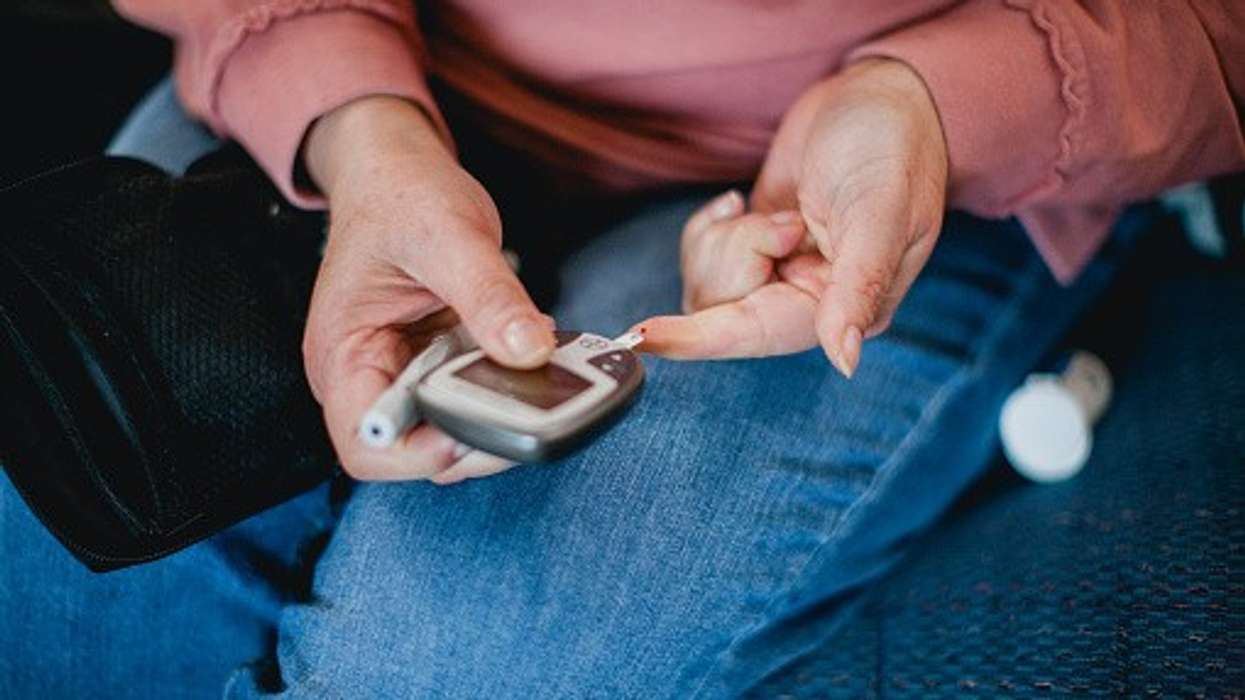
The NHS cost for diabetes medicines have gone up by 135% in a decade and much of this increase has been driven by the prescribing of SGLT2 inhibitors, GLP-1 receptor agonists and improved glucose monitors, according to the NHS Business Services Authority (NHSBSA).
The cost of medication prescribed to treat diabetes was £985m in 2016/17, and this has soared to £2.3bn in 2025/26.
There has also been a 60% increase in prescription items to treat diabetes from 52 million items in 2016/17 to 83 million items in 2025/26.
Diabetes medicines were prescribed to 4.1 million patients in England, out of which 55% were male and 45% female, and most of them hail from deprived areas.
Men aged 65 to 69 were the most treated group, with an estimated 300,000 identified patients (7% of all those receiving diabetes medication).
Diabetes treatments accounted for 20% of total spend on all prescribed items in England in 2025/26, up from 11% in 2016/17.
The prescribing of SGLT2 inhibitors and GLP-1 receptor agonists include dapagliflozin (branded as Forxiga), empagliflozin (Jardiance), tirzepatide (Mounjaro) and semaglutide (Ozempic).
The improved glucose monitors include Interstitial Fluid Sensors, such as FreeStyle Libre or Dexcom.
Anti-diabetic drugs, which are designed to lower blood glucose levels and primarily used to treat type 2 diabetes, remained the most prescribed treatment for diabetes in 2025/26.
This includes 64 million items prescribed at a cost of £1.5bn, accounting for 64% of total diabetes drug costs.
Within this, the cost of Mounjaro, rose 377% to £574m in 2025/26, from £120m in 2024/25.
The drug also saw a 174% increase to 3.1 million items prescribed in 2025/26 and was the most prescribed GLP-1 receptor agonist.