






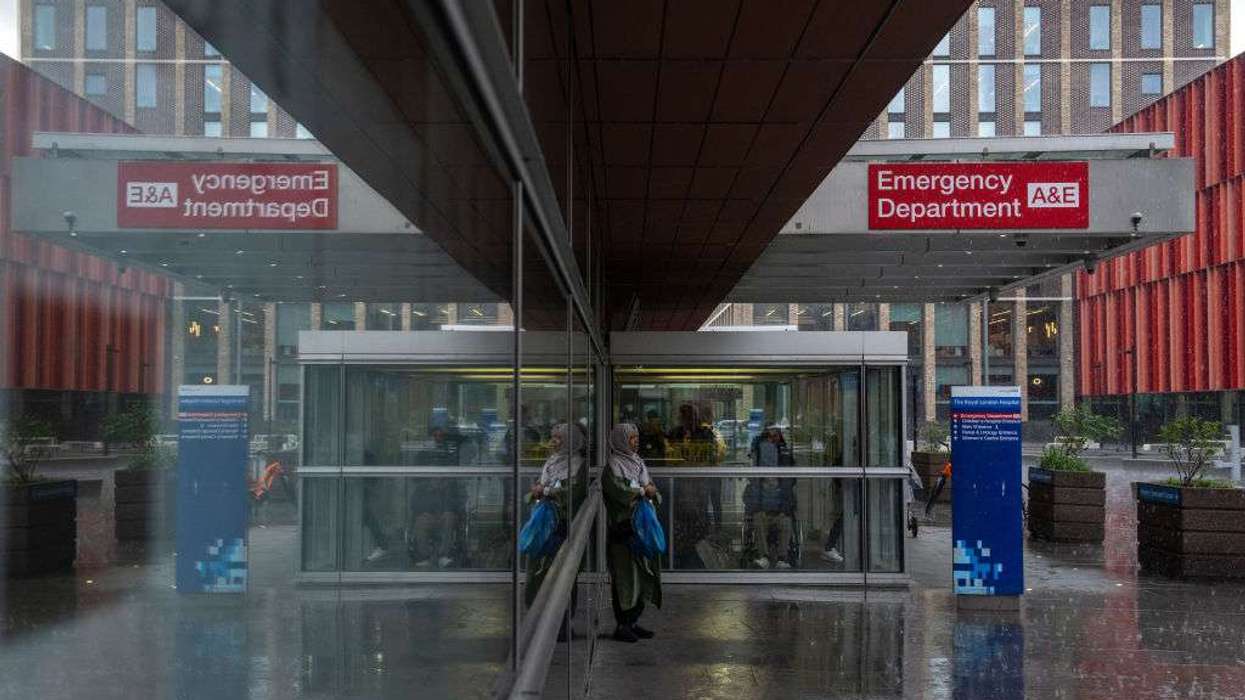

The NHS is to expand Martha’s Rule to all A&E departments and waiting rooms in England, giving patients, families and staff a new route to trigger an urgent review if they are concerned about a deterioration in a patient’s condition.
The nationwide rollout, which is due to be completed by March 2028, follows a pilot across seven NHS trusts that tested whether the escalation process could operate safely in busy A&E settings.
Under the expanded scheme, patients, their loved ones and staff will be able to call a dedicated Martha’s Rule phone number to request an urgent clinical review if they believe a patient’s condition is worsening and their concerns are not being acted upon.
The expansion comes as the NHS recorded its busiest summer on record, with nearly a quarter of a million (241,061) more A&E attendances between June and August 2026 than during the same period in 2025.
“Martha’s Rule is about making sure patients and their loved ones are heard when they raise concerns about their care,” Health and Social Care Minister Baroness Merron said.
“Expanding it to A&E will give patients, families and staff another way to speak up when they are worried that someone’s condition is getting worse, ensuring concerns are acted on quickly.
“This is part of our wider efforts to put patient safety at the heart of the NHS.”
Professor Aidan Fowler, national director of patient safety at NHS England, said the move would give patients, families and NHS staff in A&Es a “critical new lifeline” to improve care and save lives.
“A&Es see some of our most vulnerable patients, so the ability to raise concerns about deterioration quickly and trigger a rapid review of care is essential,” he said.
The pilot, which ran from September 2025 to March 2026, found that Martha’s Rule could operate alongside existing clinical procedures without requiring additional clinical staff.
During the eight-month pilot, 69 calls were made to dedicated Martha’s Rule numbers. Some resulted in patients receiving urgent surgery or being transferred to intensive care.
Martha’s Rule is named after Martha Mills, who died aged 13 in 2021 after developing sepsis while in hospital following a pancreatic injury sustained when she fell off her bike.
Her family's concerns about her deteriorating condition were not acted upon and, in 2022, a coroner concluded that Martha would probably have survived had she been transferred to intensive care earlier.
The initiative is already in place at 221 acute adult and paediatric inpatient sites, with the inpatient rollout expected to be completed during 2026/27. Hospitals are also expected to extend the scheme to A&E, maternity and neonatal units by March 2028.
The latest figures show that Martha’s Rule received a record 1,678 calls in July 2026, taking the total number of calls made by patients, families and NHS staff since September 2024 to 19,177.
Matthew Hopkins, director of the NHS Alliance's acute and ambulance network, said NHS leaders welcomed the expansion following the seven-trust pilot.
“They support the initiative’s aim to give the most vulnerable patients, families and staff the chance to be heard and raise concerns. This will enhance the safety of care and will provide reassurance for patients and their families if there are concerns that the patient’s condition is getting worse,” he said.
Patients and families can check whether Martha’s Rule is available at their local hospital or NHS trust through its website or by asking hospital staff.