






- The roll-out follows a pilot at eight early-adopting services
- Around 2 in 100 people who take part in bowel screening require further testing, and a lower threshold may increase it to 3 in 100
- TheNHS will offer 35 percent more screening colonoscopies each year
NHS will be stepping up bowel cancer screening from next month to facilitate early detection and save more lives.
NHS England on Monday (26) announced it will lower the threshold for a home-screening kit, faecal immunochemical test (FIT), that checks for blood in a small stool sample, which can be a sign of bowel cancer.
The threshold has been lowered from 120 micrograms of blood per gram of poo to 80, and the NHS will offer 35 percent more screening colonoscopies each year.
FIT tests are done at home by putting a sample of poo in a small tube, and it is returned to the NHS for testing.
The NHS will also launch new digital alerts for the despatch of a screening kit, and this will let people know what to expect.
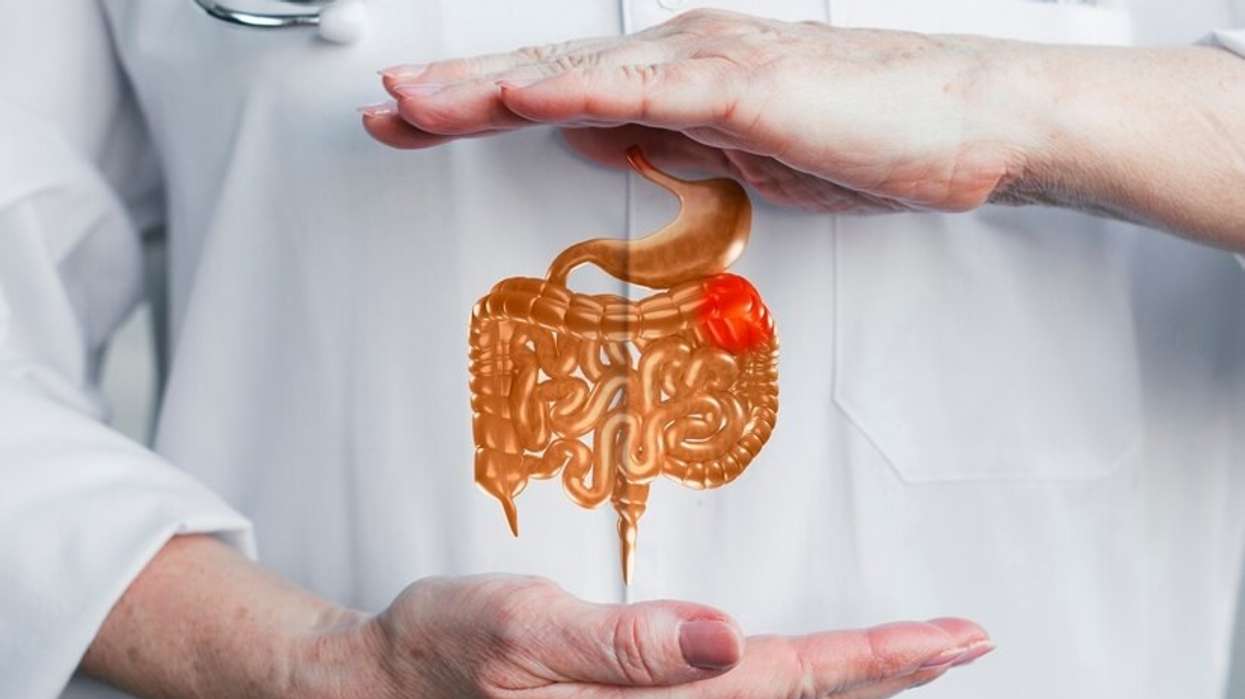
Bowel cancer is the third most common cancer in the UK for both men and women, but screening can catch it early - often before any symptoms appear.
It is estimated that around 2 in 100 people who take part in bowel screening will require further testing, and the new threshold is expected to increase this to 3 in 100.
Once fully implemented, testing at the lower threshold is expected to reduce late-stage diagnoses and deaths from bowel cancer by around six per cent, and the NHS can save around £32 million each year.
The roll-out follows a pilot at eight early-adopting services, where closer working between NHS screening and diagnostic teams has helped more people get checked sooner.
This led to an addition of 60 cancer cases and nearly 500 high-risk polyps being found and treated.
In line with recommendations by the UK National Screening Committee, the NHS will now roll out the lower threshold across the country by March 2028.
NHS England national clinical director Peter Johnson said: “Testing at a lower threshold will now provide a better early-warning system for bowel cancer, helping us to spot and treat cancers earlier, often picking up problems before symptoms appear.
“Earlier detection can mean less intensive treatment and ensures the best chance of survival, and in many cases people could avoid facing cancer altogether by having dangerous polyps removed before they cause harm."
Health minister Dr Zubir Ahmed said, “After 20 years of frontline NHS experience, I know how vital it is that cancer is caught early to give patients a fighting chance."
Bowel Cancer UK chief executive Genevieve Edwards said, “This is great news for people living in England. This change marks an important moment for bowel cancer screening in the country."
Cancer Research UK chief executive Michelle Mitchell said: "Bowel cancer is the second biggest cause of cancer death in England, so it's crucial that progress like this continues.
"Screening is for people without symptoms, so if anyone spots something that isn't right for them, they should speak to their GP. It probably won't be cancer, but if it is, finding it early can make a real difference."