






Key Summary
- Scientists are working on a new vaccine for Ebola.
- It uses the same technology the team developed during the Covid pandemic.
- The Serum Institute of India is lined up to mass produce the Ebola vaccine once Oxford can supply medical-grade material.
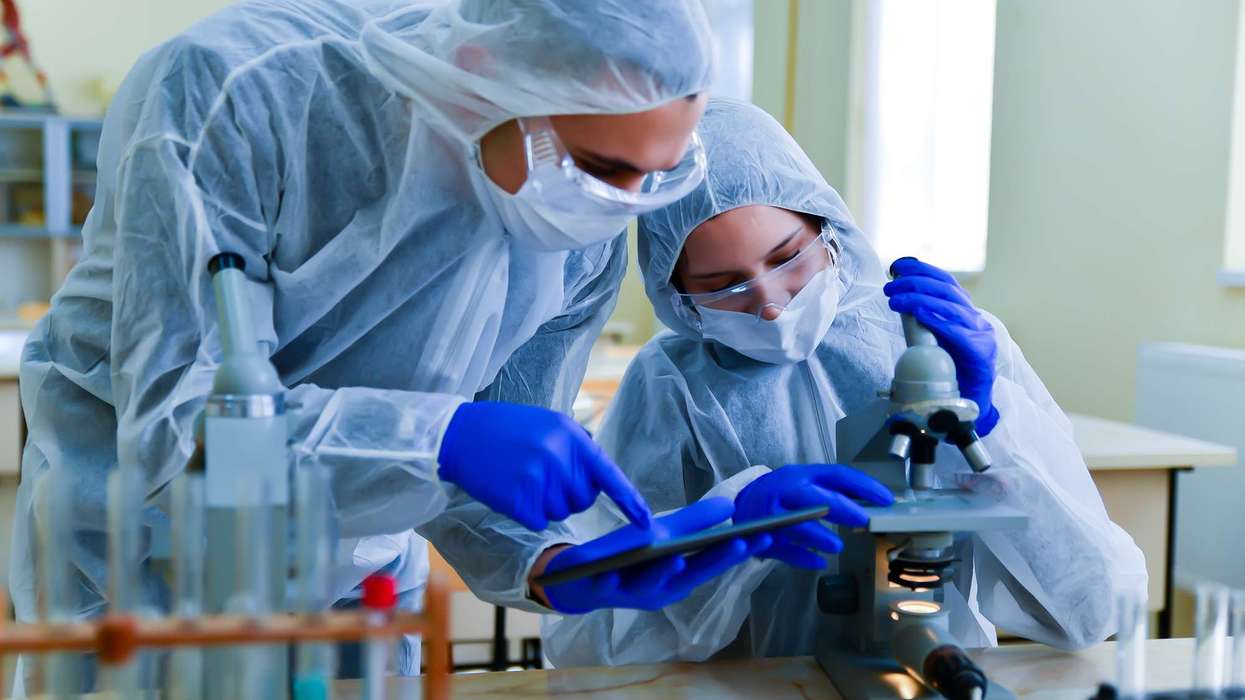
Oxford University scientists are developing a vaccine for the rare Bundibugyo species of Ebola, according to BBC.
The World Health Organization (WHO) has upgraded the risk level within the Democratic Republic of Congo from "high" to "very high" as suspected cases reach 750 with 177 deaths. Regional risk is high, though international risk remains low.
The vaccine utilises the highly adaptable ChAdOx1 viral-vector technology - the exact same platform the team deployed globally during the Covid pandemic.
"It is possible that doses of that could be available for clinical trial in two to three months, but there is a lot of uncertainty," a spokesman added, saying it would depend on animal trials as to whether it could be considered "a promising candidate research vaccine" for Bundibugyo.
The Serum Institute of India (SII) is partnered to mass-produce the doses rapidly once Oxford supplies the initial master viral seed.
While the WHO states clinical trials could begin in two to three months, officials emphasise that availability depends entirely on successful upcoming animal trials, as no animal data yet exists to prove its effectiveness.
Prof Lambe, the Calleva Head of Vaccine Immunology at the Oxford Vaccine Group, told BBC News: "Once we get starting material to them they can go fast and they can go big."
The WHO says the vaccine could be available for use in clinical trials in two to three months.
Lambe says speed is a priority: "People are worried about this outbreak, generally, you prepare for the worst case scenario - hopefully contact tracing and quarantine is all that's needed, but we can't take our foot off the gas."