






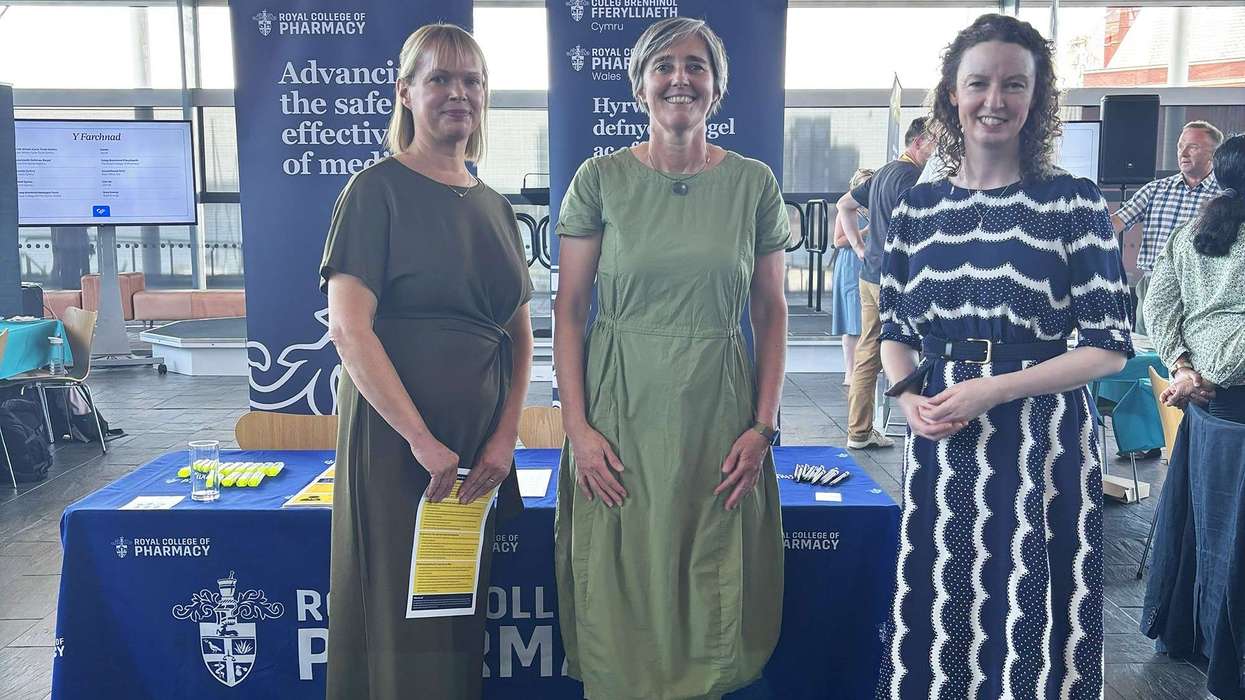

The Royal College of Pharmacy Wales team last week met with new Members of Senedd (MSs) and discussed the contribution pharmacists can make to help implement the new Welsh Government’s health priorities.
The topics discussed include, tackling waste to improve financial and environmental sustainability, supporting patients with long-term conditions, enabling care closer to home, and supporting prevention by helping people stay well and reducing medicines-related harm and hospital admissions.
The Welsh Government’s proposals for a new cancer plan and the introduction of up to 10 new surgical hubs were also discussed with focus on the role pharmacists can play in both areas.
The team also emphasised that pharmacy teams need appropriate funding, resources and capacity to make full use of their expertise, improve patient care and help the NHS make best use of its resources.
The Royal College of Pharmacy’s Welsh Pharmacy Advisory Council chair, Liz Hallett, said: “It was valuable to meet new and returning MSs so early in the Senedd term. With so many new Members, it is important they understand the profession’s role across community pharmacy, general practice, hospitals and other healthcare settings.”
Geraldine McCaffrey, Director for Wales at the Royal College of Pharmacy, added: “Pharmacists’ medicines expertise will be crucial to delivering the Welsh Government’s health priorities. Over the coming months, we’ll continue working with Members of the Senedd through one-to-one meetings, visits with pharmacy teams and responses to government consultations, ensuring pharmacists’ expertise and role in patient care are reflected as these plans are developed and implemented.”