







Key Summary
- Midwives are the most trusted voices for pregnancy vaccine advice, with 85% of women relying on healthcare professionals and NHS sources for information.
- Conversations with health professionals matter: about 60% of women were motivated to vaccinate after speaking with them, while many said it boosted their confidence.
- Vaccination protects newborns early, with strong uptake reported for RSV and whooping cough vaccines, helping shield babies from serious infections.
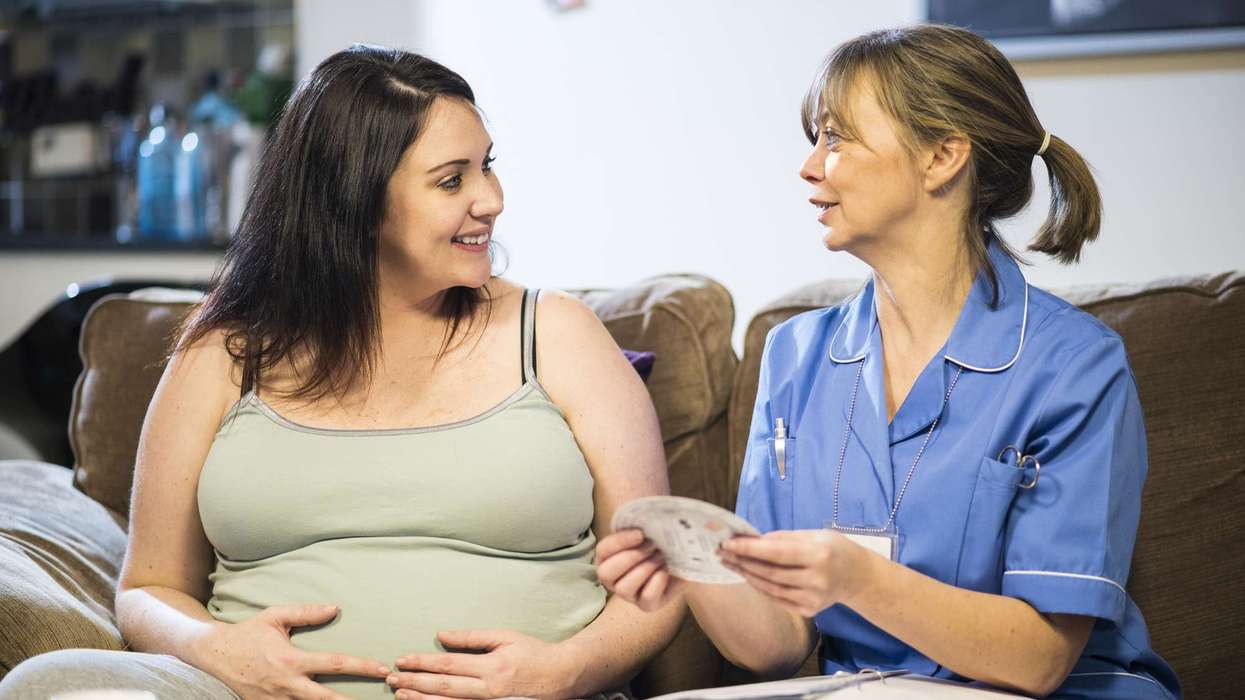
The UK Health Security Agency’s (UKHSA) recent survey shows that midwives and health professionals play a major role in ensuring pregnancy vaccine uptake, as women consider them to be the most trusted source of information.
According to the survey, 60 percent of women who had been or intended to be vaccinated were motivated by their conversation with the health professionals.
Among the survey participants, 85 percent claimed that health professionals, especially midwives and the NHS channels are the most trusted and easily accessible source of information for them.
Nine out of ten (91 percent) of the women were made aware of the vaccine during their pregnancy, and 86 percent of whom said that they had either seen or heard about its importance.
Similarly, 40 per cent of women who discussed vaccination with the professionals decided to take it, while another 40 per cent said the conversation boosted their confidence to take the vaccine.
Pregnancy vaccines should be taken as a precaution to protect the baby from preventable illnesses such as flu, RSV and whooping cough.
As per 2025 data, 59.9 percent pregnant women received the RSV vaccine and 72 percent took the whooping cough vaccine.
So, the UKHSA urges pregnant women to have discussions with their midwives, GP or nurse to ensure informed decision making.
“Pregnancy naturally brings questions and it’s reassuring that women continue to rely on trusted healthcare professionals and NHS resources when making decisions for their baby,” said Dr Helen Campbell, lead scientist at UKHSA.
She added, “The vaccines offered during pregnancy provide the best protection for newborns at a time when they are most vulnerable.”