







Key Summary
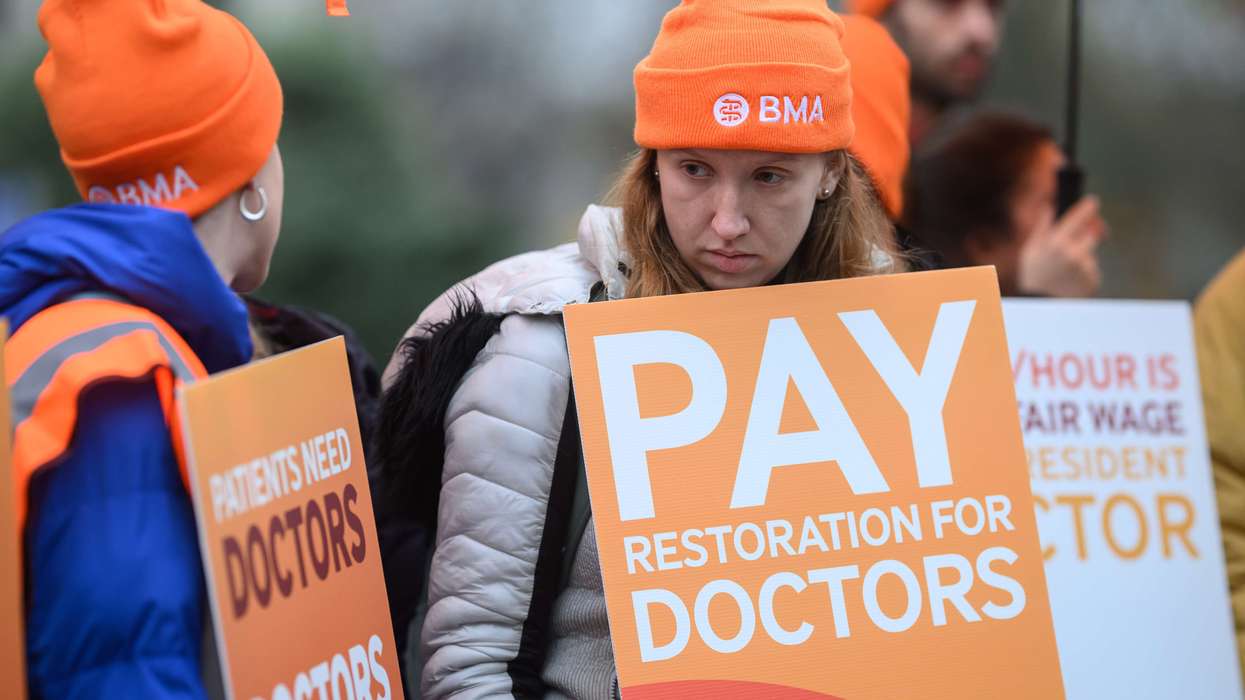
- Resident doctors in England begin a six-day strike over pay and burnout concerns.
- The dispute centres on a 3.5 per cent pay rise, which doctors say doesn’t match rising costs.
- NHS will prioritise urgent care and urges patients to attend appointments unless told otherwise.
The resident doctors in England will begin their six-day industrial action from Tuesday (7), 7 am after the failure of salary hike talks with the government.
The British Medical Association (BMA) claims that the government has put forward a 3.5 per cent pay rise, which is below the RPI inflation levels of 3.6 percent and a pay cut in real terms.
This is on top of making no progress at addressing historic pay loss since 2008, they added.
They claimed the Government is not prepared to recognise that the profession is ‘burning out’.
On the other hand, health secretary, Wes Streeting, said, “It is disappointing for patients and staff alike that the BMA has decided to press ahead with strikes this week, despite the deal we put to them which would have seen resident doctors 35.2 per cent better off, on average, than they were four years ago.”
The NHS has put forth contingency plans to minimise potential disruption for the patients due to the strike.
The NHS is to ensure the functioning of the majority of the services by prioritizing urgent and emergency care, cancer and maternity services, etc.
The NHS is urging the patients not to put off appointments during the strike period.
“Staff across the NHS will be doing everything they can this week to keep patients safe and ensure people can continue to get the care they need,” assured Professor Ramani Moonesinghe, national clinical director for Critical and Perioperative Care and NHS England.
“We know this round of industrial action will be difficult, coming straight after the Easter weekend, but patients should come forward as normal and attend any appointments unless they are contacted otherwise,” she added.
The NHS has assured that services such as GP practices, NHS 111 and urgent and emergency care services will be available for the public.
Patients who experience fatal emergencies can reach out to 999 or go directly to A&E as usual, whereas patients with other health issues can contact 111 online to seek appropriate medical advice.
In addition, the NHS trusts will also be actively functioning to help patients with urgent surgery and cancer care during the strike.
Streeting thanked the NHS staff for delivering almost 95 percent of planned activity during December strikes. “I want to reassure patients that the NHS will be there for you when you need it this time too. My heartfelt thanks go out to all those hard at work this week.”