






Key Summary
- Sexually transmitted cases of Shigella have risen, according to research
- Researchers also identified an alarming trend in antimicrobial resistance.
- The UKHSA recorded 2,560 cases of Shigella in England in 2025.
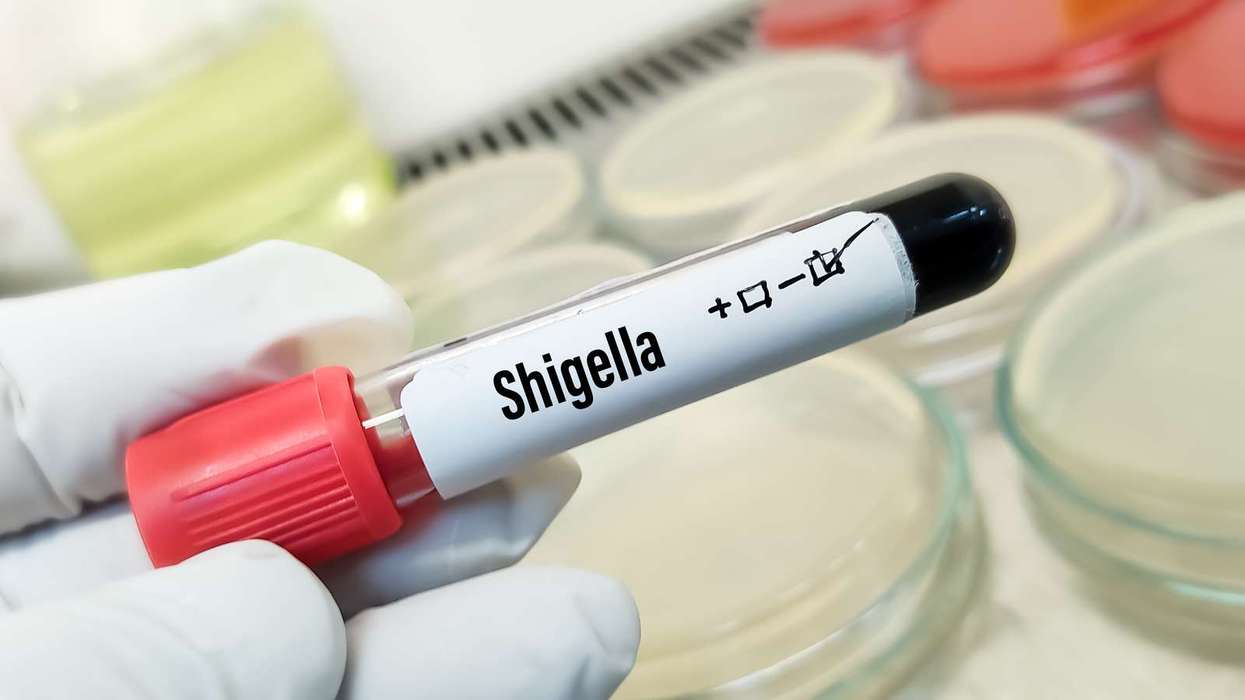
Sexually transmitted cases of the bacterial gut infection Shigella are increasing rapidly among men who have sex with men, a new study has suggested, with experts warning of an intensifying and "distinct public health threat".
The research, led by the University of Cambridge and the UK Health Security Agency (UKHSA) and published in The Lancet Infectious Diseases, analysed 3,514 samples of Shigella from individuals over the age of 16 in the UK between 2004 and 2020.
The research showed that between 2015 and 2020, sexually transmitted forms of Shigella in the UK grew 15 percent faster year-on-year than variants contracted through traditional routes of travel abroad, foodborne illness, or nursery outbreaks.
The study used genomic tracking to measure how fast the infection spread in populations. Over a 2.5-year period, sexually transmitted Shigella strains were found to travel an average distance of 117km, compared with just 46km for non-sexually transmitted strains.
Meanwhile, UKHSA figures recorded 2,560 cases of Shigella in England in 2025, up from 2,052 cases in 2023.
Microbial resistance
The researchers identified an alarming trend in antimicrobial resistance. By the end of the study period, 70 percent of sexually transmitted strains were resistant to at least one clinically relevant antibiotic.
In comparison, resistance stood at 40 percent for non-sexually transmitted cases and 49 percent for cases contracted during international travel.
Shigella, the bacterium responsible for bacillary dysentery, causes severe symptoms including prolonged or bloody diarrhoea, stomach cramps and fever.
While traditionally associated with contaminated food, water, or poor sanitation, specific strains — Shigella sonnei and Shigella flexneri — have established a sustained transmission route via close sexual contact.
Professor Kate Baker from the University of Cambridge's Department of Genetics commented: "Many men who have sex with men are unaware of the serious and increasing risk posed by sexually transmitted Shigella."
"Sexual infection is now a sustained part of Shigella transmission in the UK. It is vital that this message reaches the communities most affected, so we can help to prevent the spread," Baker added.
Public health experts emphasise that standard advice for the prevention of enteric bacterial infection — such as handwashing and food hygiene — is failing to interrupt Shigella transmission.
Researchers estimate that more than half of all Shigella infections in the UK are sexually transmitted, while 30 percent are linked to travel, and the remainder down to infrequent localised outbreaks among young children, and transmission in the household.
Baker suggests that those who start to feel unwell, or are recently recovering from diarrhoea, should not engage in sexual activity until two weeks after they have fully recovered.
While seeking medical care, patients should mention their sexual history to the doctor, she added.
Researchers concluded that the findings highlight an urgent need to treat sexually transmissible shigellosis as a standalone health threat requiring customised surveillance, prevention, and treatment strategies.