





Key Summary
- Medicines and Healthcare products Regulatory Agency pushing non-animal testing (NAMs) to ensure safe, effective medicines
- Animal testing to be reduced where possible, used only when scientifically necessary
- The aim is to modernise drug development while maintaining strict safety standards
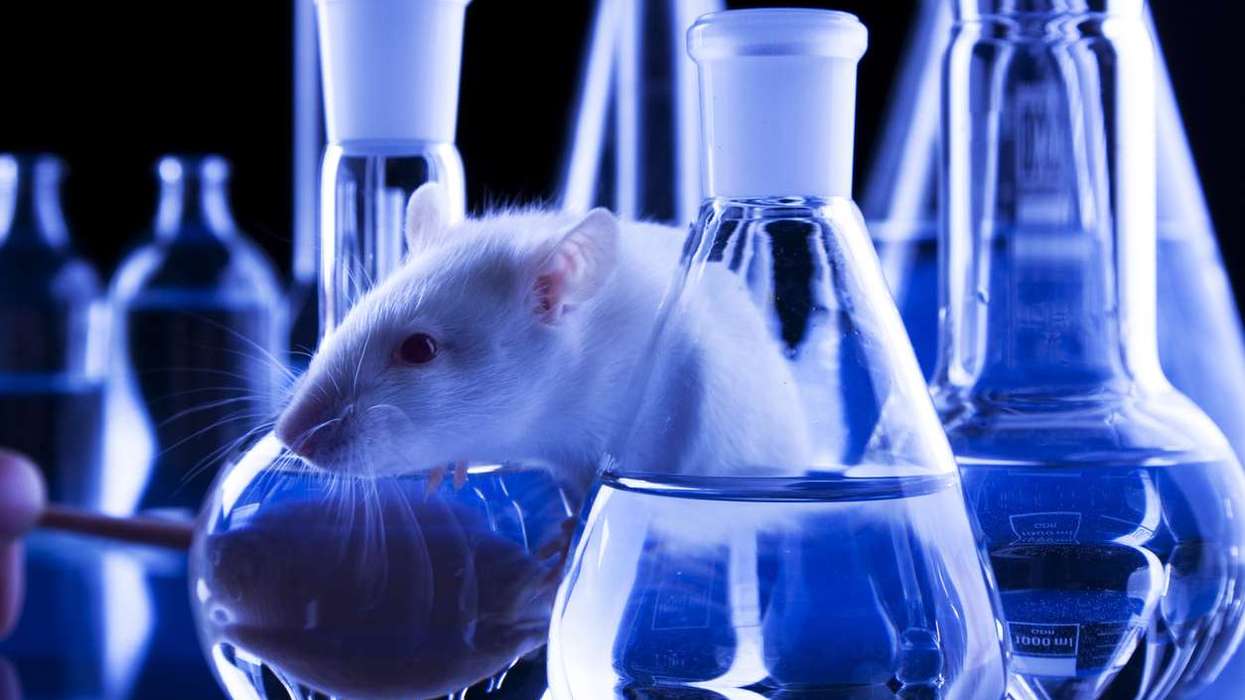
The Medicines and Healthcare products Regulatory Agency (MHRA) have been encouraging developers to use methods that do not require animal testing, while ensuring that medicines meet rigorous standards of safety and efficacy.
The regulator wants developers to make use of New Approach Methodologies (NAMs), modern, non-animal scientific methods used to assess the safety, efficacy, and biological effects of medicines and chemicals without the need of relying on traditional animal studies.
This is in alignment with the Government’s long-term strategy to reduce use of animals in drug development, where complete elimination is not yet feasible.
Currently, the regulator assesses every application individually, considering the evidence and proposed clinical use, before approving every medicine.
The guidance has set out some general principles.
- Generic/biosimilar products or drugs that are not pharmacologically active in animals should not be tested on animals.
- Toxicity testing of biological products on animals should only be done in species shown to be pharmacologically relevant.
- Products with a well-recognised pharmacological profile may enter UK clinical trials without having first been tested on animals.
- Products with a novel pharmacological action should be tested on animals, in line with international guidelines.
- Products that cannot be tested for efficacy in clinical trials, such as vaccines for some emerging pandemic infectious diseases, should be tested on animals.
MHRA is committed to review preliminary data from drug trials that use non-animal models to support NAMs and reduce perceived risks of approaches.