






Key Summary
- Around 3,400 tonnes worth of partially used medicines were disposed of last year in England alone.
- Wastage of medicine costs the NHS at least £480 million a year.
- Wasting medicines also has a significant environmental impact, with the disposal and production of medicines having a large carbon footprint.
Medicines wasted in England last year could have filled up 75 swimming pools a year, new analysis by the National Pharmacy Association (NPA) has found.
The NPA has estimated that just shy of 3,400 tonnes worth of partially used medicines were disposed of last year in England alone, costing the NHS upwards of £480 million.
Freedom of Information requests from local NHS Integrated Care Boards revealed the NHS disposed of an estimated 3,400 tonnes of medicines last year, "the same weight as 560 female African Forest elephants or 3000 2015 Ford Fiestas".
The NPA has called for more regular medicine reviews for those with several repeat prescriptions to identify medicines that are no longer needed.
They have also urged patients not to over order medication and order repeat prescription when they need it.
Pharmacies are warning that the wastage of medicine costs the NHS at least £480 million a year.
Wasting medicines also has a significant environmental impact, with the disposal and production of medicines having a large carbon footprint.
Pharmacies have reported to the NPA that patients regularly return uncompleted courses or unopened boxes of medicines. This is particularly common for patients on complex medicine regimes to treat their conditions.
Pharmacies have also reported of some patients over ordering on medicines just in case it is needed rather than it being necessary at the time, leading to wastage.
The NPA has urged patients who have concerns around their medicines or want to understand how much medication they may need on repeat, to speak to their pharmacist for advice and support.
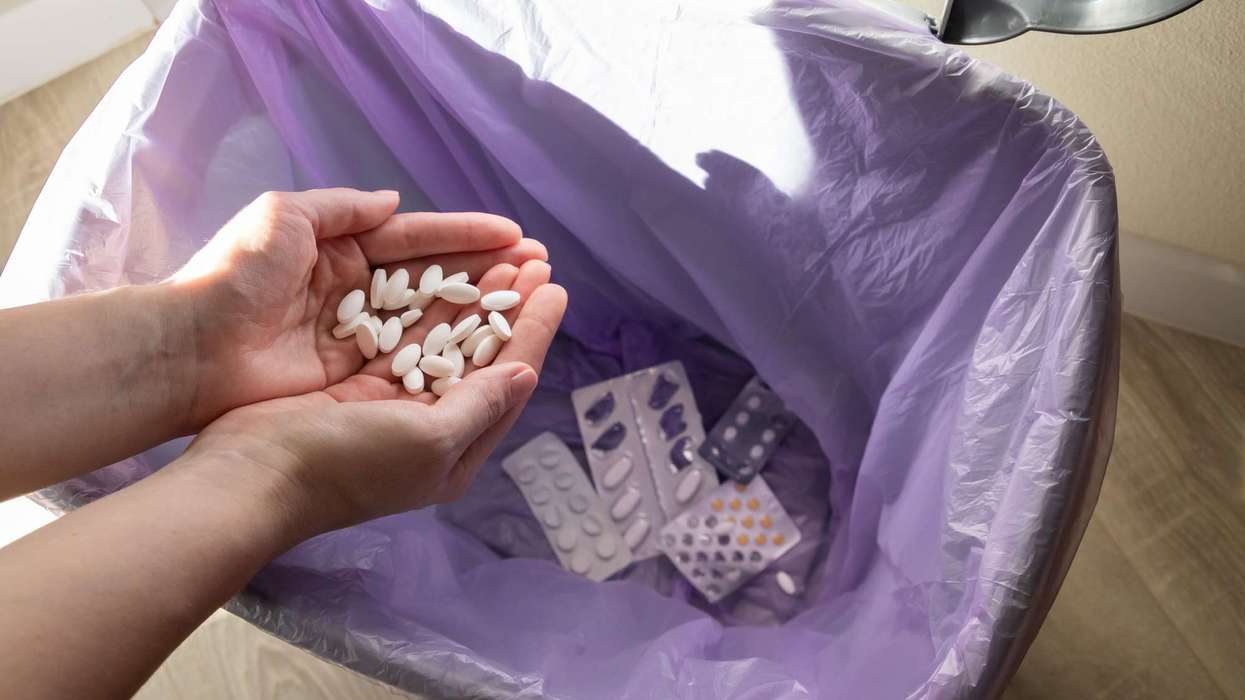
Medicines must be disposed of in a specialist manner which comes at a significant cost to the NHS. Once a medicine is dispensed and handed out to a patient, even if it is unopened and its seal intact, it cannot be put back into stock when returned.
Medicines must be disposed of in a pharmacy and not put in the general waste. Incorrect disposal can risk medicines entering the water supply and causes environmental hazards.
National Pharmacy Association Chair Olivier Picard said: “Wasted medicines cost the NHS significant sums of money every year that could be invested in better services for patients.
“More than this, wasting medicines can have environmental and health consequences and we can do much more to tackle this growing problem.
“As soon as a medicine leaves a pharmacy, even if it is not used and is unopened, it must be disposed of so it is important patients only get medicines they are sure they will use.
“We are urging patients only to request medicines if they really need them when ordering repeat prescriptions.
“As well as this, patients who are prescribed multiple medicines should have these more regularly reviewed to ensure they are being fully utilised.
“If a patient has any concerns about their medicines, they should speak to their pharmacist who can help them get the most out of their medicines."
Pharmacy2U Superintendent Pharmacist Phil Day said: “Unused medicines are a large financial drain on the NHS, so it's important people only request what they need.
“Digital tools such as the NHS App make repeat prescriptions easier to manage, while innovations such as online stock checkers can give patients confidence to order items as and when they need them, rather than feeling they need to request everything at once. Alongside the convenience, the greater precision these tools enable should also reduce unnecessary waste.
“Pharmacists also have an important role to play in giving patients confidence in their medicines. If someone is regularly left with unused medicines, unsure whether they still need a particular treatment or is concerned about keeping their prescriptions in sync, a simple conversation with their pharmacist will help.”
A Community Pharmacy England spokesperson said: “With medicines waste costing the NHS at least £480 million annually, helping patients get the best from their medicines must be a priority. Community pharmacy has a proven track record in improving medicines use through services such as the New Medicine Service, supporting better adherence, improving outcomes and reducing avoidable waste.
"At the same time, ongoing medicines shortages mean pharmacy teams are spending increasing amounts of time sourcing treatments for patients. That is why we continue to call on Government to empower community pharmacists to make minor amendments to prescriptions where appropriate, helping ensure every prescription delivers maximum value for patients and the NHS.”