







The winter can be particularly challenging for our skin. Cold air, strong winds and low humidity can increase moisture loss, leaving skin feeling dry, tight, itchy and flaky. For people who already have sensitive skin, eczema or other skin conditions, winter can make symptoms even more noticeable.
At the same time, winter is also an important time to think about pigmentation. Although melasma is often associated with sunny weather, ultraviolet (UV) and visible light exposure can affect pigmentation throughout the year.
Good skincare therefore isn't just about treating problems when they appear – it's about protecting and supporting the skin consistently.
Why does skin become so dry in winter?
Cold outdoor temperatures combined with dry indoor air can weaken the skin's natural protective barrier. Central heating can reduce humidity indoors, while hot showers and frequent washing can remove some of the skin's natural oils.
Another factor is hydration. Not drinking enough water can contribute to overall dehydration, although dry skin is also strongly influenced by environmental conditions and the health of the skin barrier.
One of the most common mistakes people make is waiting until their skin becomes extremely dry, itchy or flaky before applying moisturiser. Moisturising should be part of your daily routine rather than something used only when problems appear.
Common winter skincare mistakes include:
- Taking very hot showers or baths.
- Using harsh soaps or cleansers that strip the skin's natural oils.
- Using heavily fragranced products that may irritate sensitive skin.
- Choosing a moisturiser that is too light for your skin.
- Applying moisturiser only once the skin has already become very dry.
- Waiting too long to moisturise after washing.
For dry skin, a richer, lipid-nourishing moisturiser can help replenish the skin's protective barrier. Applying moisturiser shortly after washing, while the skin is still slightly damp, can also help retain moisture.
The ideal moisturiser will depend on your individual skin type and whether you have conditions such as eczema or particularly sensitive skin.
What is melasma?
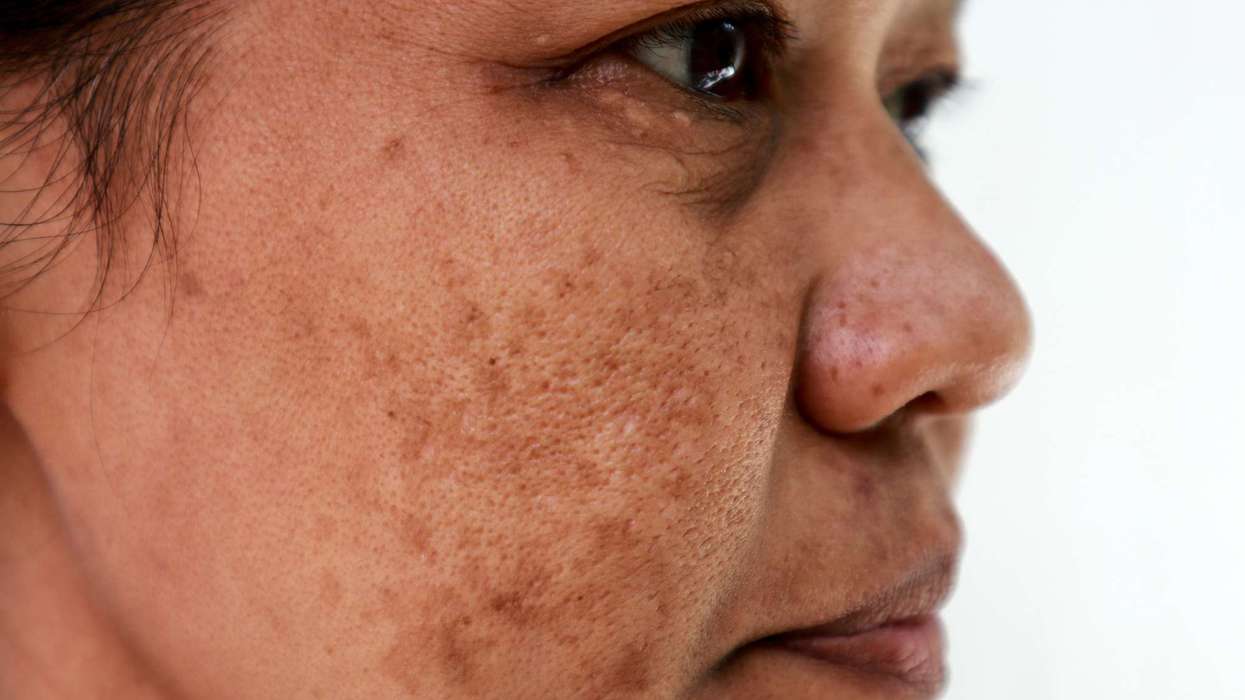
Melasma is a common pigmentation condition in which areas of the skin become darker than the surrounding skin. It occurs when melanocytes — the cells responsible for producing melanin — become overactive and produce more pigment.
Melasma can be influenced by a combination of genetic, hormonal and environmental factors. UV radiation and visible light are particularly important triggers, while heat may also contribute to worsening pigmentation.
Anyone can develop melasma.
Hormonal changes are one recognised trigger. For example, melasma can develop during pregnancy, when it is sometimes referred to as the "mask of pregnancy". Pregnancy-related melasma may fade after pregnancy, although this does not happen in everyone.
Other hormonal influences can include oral contraception and hormone replacement therapy. Certain medications can also increase photosensitivity and potentially contribute to pigmentation problems in susceptible individuals.
Genetics, sunlight, UV exposure, visible light and heat can all play a role.
Why sunscreen is so important for melasma
One of the most important steps in managing melasma is consistent protection from light.
It is easy to think that sunscreen is only necessary on bright, sunny summer days, but UV exposure occurs throughout the year. Visible light can also contribute to pigmentation, particularly in people prone to melasma.
For this reason, I recommend making daily SPF part of your skincare routine, even during the UK winter.
When managing melasma, look for broad-spectrum protection and consider products that provide protection against both UVA and UVB. Tinted sunscreens containing iron oxides may also be useful for people concerned about melasma because they can provide additional protection against visible light.
Reapplication is important, particularly when you are outdoors, sweating, swimming or exposed to prolonged daylight. A commonly recommended approach is to reapply sunscreen approximately every two hours when ongoing exposure is occurring.
What if sunscreen irritates your skin?
Some people find that certain sunscreens sting, feel uncomfortable or irritate their skin. This doesn't mean you should stop using SPF.
There are fragrance-free, alcohol-free and sensitive-skin formulations available. Some people also find that mineral UV filters, such as zinc oxide or titanium dioxide, are more comfortable than certain chemical/organic filters.
Finding a sunscreen that you genuinely enjoy using is important because consistency is key. The best sunscreen is ultimately one that provides appropriate protection and that you will use regularly.
Treating melasma
Sun protection is the foundation of melasma management, but skincare treatments can also be used to help reduce excess pigmentation.
Depending on the individual, treatment may include topical ingredients that interfere with melanin production, alongside topical vitamin A derivatives such as tretinoin. Hormonal factors may also need to be considered where relevant.
Tyrosinase inhibitors are another category of ingredients commonly used to target pigmentation. Tyrosinase is an important enzyme involved in melanin production, so inhibiting its activity can help reduce pigment formation.
Medical skincare systems such as the Obagi Nu-Derm range are also popular options for treating pigmentation and can produce visible improvements when used correctly and consistently.
However, stronger pigmentation treatments are not suitable for everyone. They should ideally be selected according to your skin type, the severity of your pigmentation and any underlying skin conditions, with appropriate professional guidance where necessary.
My experience with melasma
Personally, I love combining a tyrosinase-targeting ingredient with topical vitamin A.
I used to have very stubborn melasma on my chin that I struggled to shift for years. It developed following a period when my sunscreen use was inconsistent.
Over time, I managed to clear the pigmentation using a combination of topical vitamin A and a tyrosinase-targeting treatment, alongside consistent sun protection.
My experience has reinforced something I often tell people: consistency matters.
Melasma can be incredibly stubborn, and treating it is rarely about finding one "miracle" product. It is much more about understanding your triggers, protecting your skin from light and using appropriate treatments consistently.
A simple winter and melasma skincare routine
Your winter skincare routine does not need to be complicated.
In the morning, use a gentle cleanser if needed, followed by a moisturiser suited to your skin type and a broad-spectrum SPF. If you are prone to melasma, consider a sunscreen that also offers visible-light protection, such as a suitable tinted formulation.
In the evening, cleanse gently and apply your prescribed or chosen pigmentation treatment. Follow with a moisturiser to support the skin barrier.
During particularly cold weather, you may need to switch to a richer moisturiser or apply moisturiser more frequently.
Most importantly, listen to your skin. If products are causing excessive dryness, burning or irritation, your routine may need to be simplified or adjusted.
Protect your skin in every season
Winter skincare and pigmentation management may seem like two separate concerns, but they share an important principle: protecting and maintaining a healthy skin barrier is essential.
Cold weather, wind, heating and hot water can leave the skin dry and vulnerable, while UV, visible light, hormones and genetics can contribute to melasma.
A consistent routine of gentle cleansing, appropriate moisturising and daily sun protection can go a long way towards keeping your skin comfortable, healthy and protected throughout the year.
And remember: you don't need to wait for summer to start protecting your skin from pigmentation. SPF is a year-round essential.
This article is the first in a series of three looking at the management of the skin in winter. Look out for: Understanding the science of winter skin and Eczema and psoriasis in winter.