





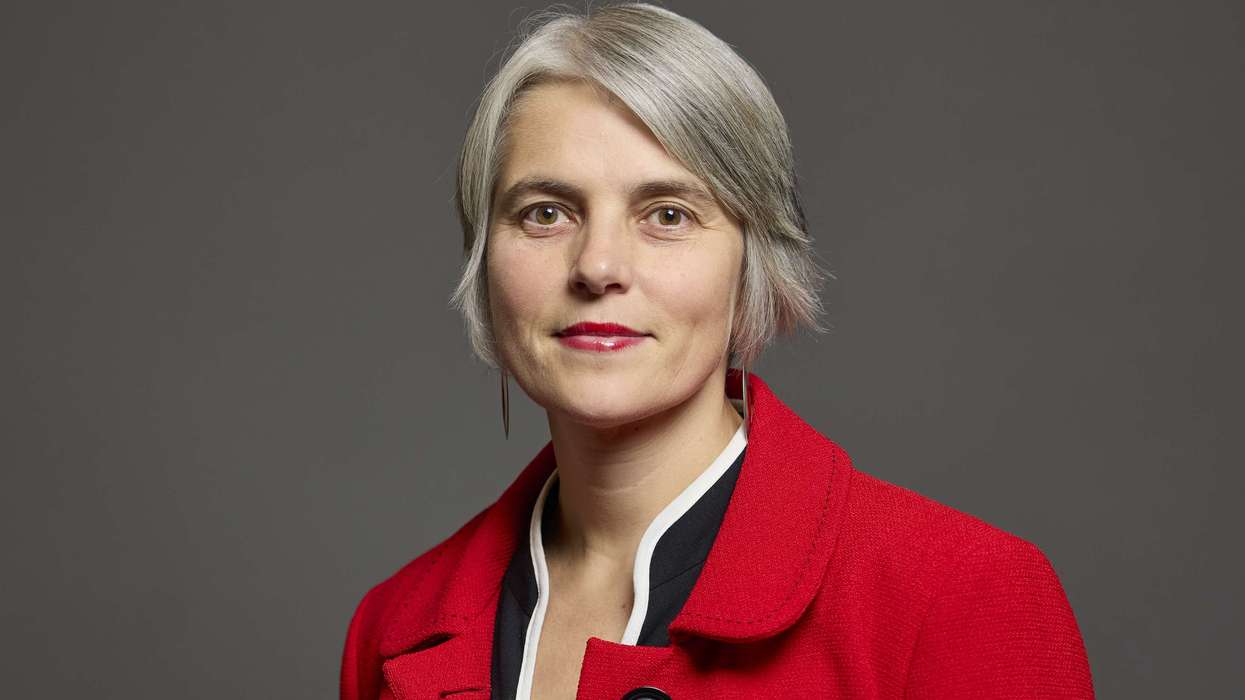

A government Champion for Unpaid Carers has been appointed, with a remit to ensure carers’ voices are heard in policy decisions and the development of the National Care Service.
Announced ahead of Carers Rights Day (19 November), Anna Dixon will work directly with unpaid carers, organisations, and ministers across government to improve recognition and access to support.
Dixon previously chaired the All-Party Parliamentary Group (APPG) on Carers.
The MP for Shipley said: “Having seen first-hand the care my mum gave my grandma, my sister has given as a parent to my niece with autism, and my husband and brother-in-law to my mother-in-law at the end of her life, I look forward to working closely with carers, carers organisations and ministers across government to ensure rights are protected, crucial support is available and easier to access, and make certain that our millions of unpaid carers get the recognition they deserve”.
Dixon highlighted that many people, including young carers, do not recognise themselves as carers. Their contribution can therefore remain unnoticed until they reach a crisis point.
She said: “Unpaid carers frequently face significant personal, physical and financial costs while supporting their loved ones”.
Dixon said joined-up action across health, social care, welfare and employment would be essential to protecting carers’ rights and making support easier to access.
Health and Social Care Secretary Yvette Cooper welcomed the appointment as "important" in making sure that the voice of unpaid carers is heard in government.
Government outlines measures to support carers
Nearly one in 10 people in England provides unpaid care to family members, friends or loved ones.
However, caring responsibilities can affect their ability to remain in employment or education, maintain their own health and take breaks, Dixon added.
The Government's action plan includes measures to improve early identification and recognition of carers. These include allowing unpaid carers to register their role through the NHS App, providing clearer information about their rights and strengthening support for young carers.
In September, the Prime Minister Andy Burnham had announced that a fully funded National Care Service will be established in the next Parliament.
The service is expected to provide free personal care for older people based on need rather than ability to pay, funded through changes to the State Pension Triple Lock.
The government has also increased the Carer's Allowance earnings limit by more than £2,750 over two years. Meanwhile, Universal Credit and Pension Credit provide an additional £2,500 annually to 1.1 million unpaid carers through the carer element and carer addition.
A review of carer's leave and employment rights is also under way, with the government expecting to publish its findings and next steps in early 2027.
Charities welcome appointment
Helen Walker, chief executive of Carers UK, welcomed the appointment, describing it as an important opportunity to place carers’ experiences at the centre of government decision-making as wider adult social care reforms progress.
The chief executive of the Carers Trust, Kirsty McHugh, commented that unpaid carers deserved more than gratitude, calling for a system that recognises their contribution and provides appropriate support. She emphasised the importance of listening to carers of all ages and drawing on the experience of local carer services.
Michelle Dyson, chief executive of Alzheimer's Society, highlighted the particular pressures faced by people caring for someone with dementia. She cited research showing that a third of dementia carers provide more than 100 hours of care every week.
Dyson said unpaid dementia carers often lack the practical, emotional and financial support they need, and stressed that their voices must lead to meaningful change.