





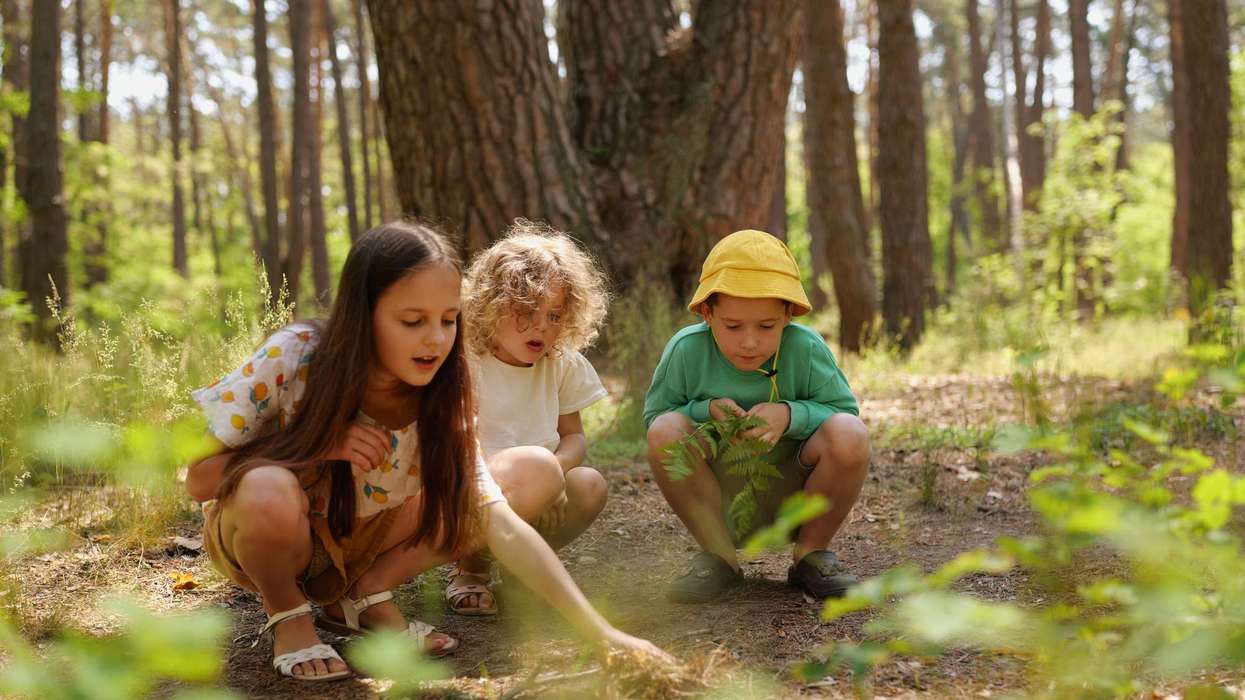

According to a recent study, children are nearly 11 when they start playing outdoors without supervision for the first time, while their parents reported that they played outdoors at age nine.
According to the Outdoor Play Research Centre, launched by University of Exeter, there is a small but significant “generational play gap”. Children are now allowed independent outdoor play at an average of 10.8 years of age, compared to 9.7 years for their parents.
Professor Helen Dodd, Director of the Outdoor Play Research Centre, said that the research highlighted that children across the country are missing out on opportunities for independent outdoor play.
She highlighted that independent outdoor play is linked to better health and wellbeing, including lower anxiety.
Nearly 2,000 UK parents and caregivers of children aged 5–11 participated in the survey.
The results will be published in a paper called ‘Children’s Play and Independent Mobility in 2025’.
The researchers cited lack of accessible and high-quality spaces for play, along with increased screen time, risks posed by busy roads, and changes in social norms as potential reasons for the delay.
The report also highlighted that street play for children is now less than 25 minutes a week on average.
This is true for most parts of the UK. However, in London, play levels are rising again from around age nine.
A recent report also said that child health in the UK has either worsened or shown little improvement across a broad set of measures, leaving children’s health lagging behind many other Western European nations.