






Key Summary
- "We must think seriously about how community pharmacy is integrated into the future NHS and primary care landscape."
- The increase in retained margin, adding £200 million, alongside the write-off of £239 million is significant.
- "Fixing the drugs bill in a way that supports investment and supply chain resilience will also help strengthen pharmacy services."
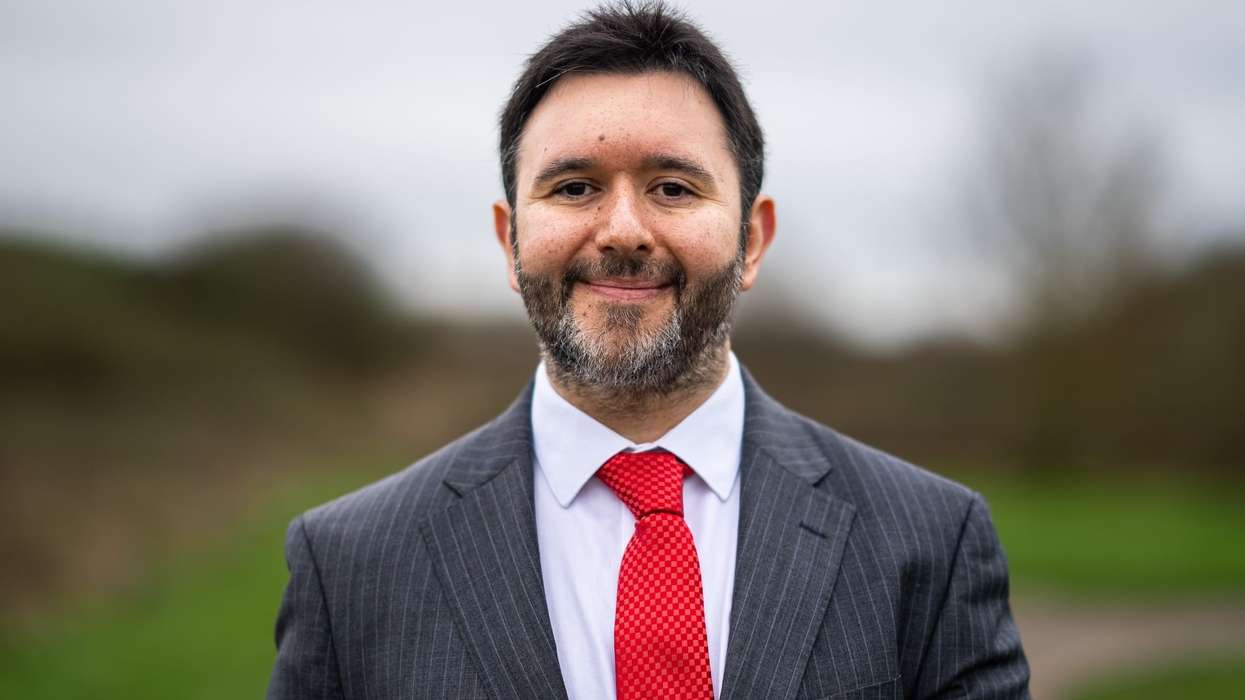
The chair of the All‑Party Parliamentary Group (APPG) on pharmacy, Sadik Al-Hassan, has welcomed the terms of CPCF funding settlement and said it will reform and transform community pharmacy, and termed the funding uplift a "down payment" for a brighter future.
"The 10.3 percent uplift, adding £340 million to the overall contract, is hugely welcome. For me, one of the most significant elements is the accompanying increase in retained margin, adding £200 million, alongside the write-off of £239 million. Together, those measures will provide important support and stability for the sector.
"There are also several important changes within the settlement itself, including the increase in the Single Activity Fee to £1.52 from activity delivered in May onwards, continued commitment to the Pharmacy Quality Scheme, and new late payment flexibility for Pharmacy First and the New Medicine Service."
Independent prescribing
According to Al-Hassan, the inclusion of independent prescribing and monthly protected learning time are the two areas that show the direction the government is taking, "but which will now need further development and investment to fully realise their potential."
He said Pharmacy First and the inclusion of independent prescribing are good starting points.
"The next step for the sector is to map out what we want Pharmacy First to look like through to 2030 and beyond, as it cannot simply remain a pharmacy-led service for a small number of conditions.
"Community pharmacy has the potential to play a much broader role across acute care, minor ailments and prevention, and we now need a clear roadmap for how Pharmacy First can become part of the solution to many of the wider challenges facing the NHS."
He termed the introduction of four hours of monthly protected learning time as a "positive ambition and an important recognition of the need to support workforce development and training."
"The next stage must ensure there is sustainable funding attached to that ambition, including through mechanisms such as the Pharmacy Quality Scheme, so pharmacies are properly supported to invest in training and service development."
Funding gap
Al-Hassan said the settlement "marks the start of a longer journey for community pharmacy and where the sector should ultimately sit within the NHS. We need continued strong funding settlements over the coming years to close the gap created by inflationary pressures and to support investment, delivery and transformation.
"Community pharmacy is an incredibly efficient, high value asset to the NHS, and its work supports the wider health and care system every day.
He said the agreement comes against a backdrop of significant cost pressures for pharmacies, including increases to the National Living Wage, business rates and employer National Insurance contributions.
"Despite those pressures, I see this settlement not only as a positive step forward, but as a down payment on a brighter future for community pharmacy.
"However, we must think seriously about how community pharmacy is integrated into the future NHS and primary care landscape. As systems such as the Single Patient Record are developed, pharmacy should be built into that infrastructure as a cornerstone of the future NHS, with integrated read-and-write access that allows pharmacies to work seamlessly alongside the rest of the health service."
NHS drugs bill
The APPG chair for pharmacy said this settlement also needs to be considered alongside the NHS drugs bill. "As a country, we have become too reliant on cheap medicines, and that has created pressures and vulnerabilities across the medicines supply chain, including within community pharmacy. Fixing the drugs bill in a way that supports investment and supply chain resilience will also help strengthen pharmacy services for the future.
"I am incredibly thankful to Community Pharmacy England for their hard work in securing this record funding agreement, building on the progress made last year. My thanks also go to the Department of Health and Social Care and Minister Stephen Kinnock for their engagement and hard work throughout these discussions. There is still more work to do, but this marks the beginning of a really bright future for community pharmacy.”