






Diabetes UK has urged frontline healthcare professionals to recognise the early warning signs of type 1 diabetes in children, after figures showed that the number diagnosed while in diabetic ketoacidosis (DKA) has reached an eight-year high.
A total of 902 children aged 15 and under in England and Wales were in DKA when diagnosed with type 1 diabetes between April 2024 and March 2025. The figures are particularly concerning among younger children, with 33 per cent of those under five already experiencing the potentially life-threatening complication at diagnosis.
DKA develops when the body cannot produce enough insulin, causing blood glucose levels to rise and ketones to build up in the blood. It requires urgent hospital treatment and can be fatal if not recognised promptly.
On World Diabetes Day on 14 November, the charity is renewing its campaign to help families and healthcare professionals identify the condition earlier. Its message is to learn the four Ts of type 1 diabetes symptoms and ‘share the signs and save a life’.
The four warning signs are:
- Toilet: Needing to urinate more frequently, particularly at night. Babies may have heavier nappies, while children who were previously dry may start wetting the bed.
- Thirsty: Being unusually thirsty or, in babies, feeding more frequently.
- Tired: Feeling unusually tired, sleeping or napping more than usual, or showing changes in behaviour such as irritability and difficulty concentrating.
- Thinner: Losing weight without explanation or appearing noticeably thinner.
Diabetes UK says the symptoms can be harder to recognise in younger children because they may appear alongside common illnesses such as flu, gastroenteritis and urinary tract infections.
The charity has issued updated guidance advising healthcare professionals to consider type 1 diabetes and arrange urgent testing if a baby or child presents with even one of the four symptoms.
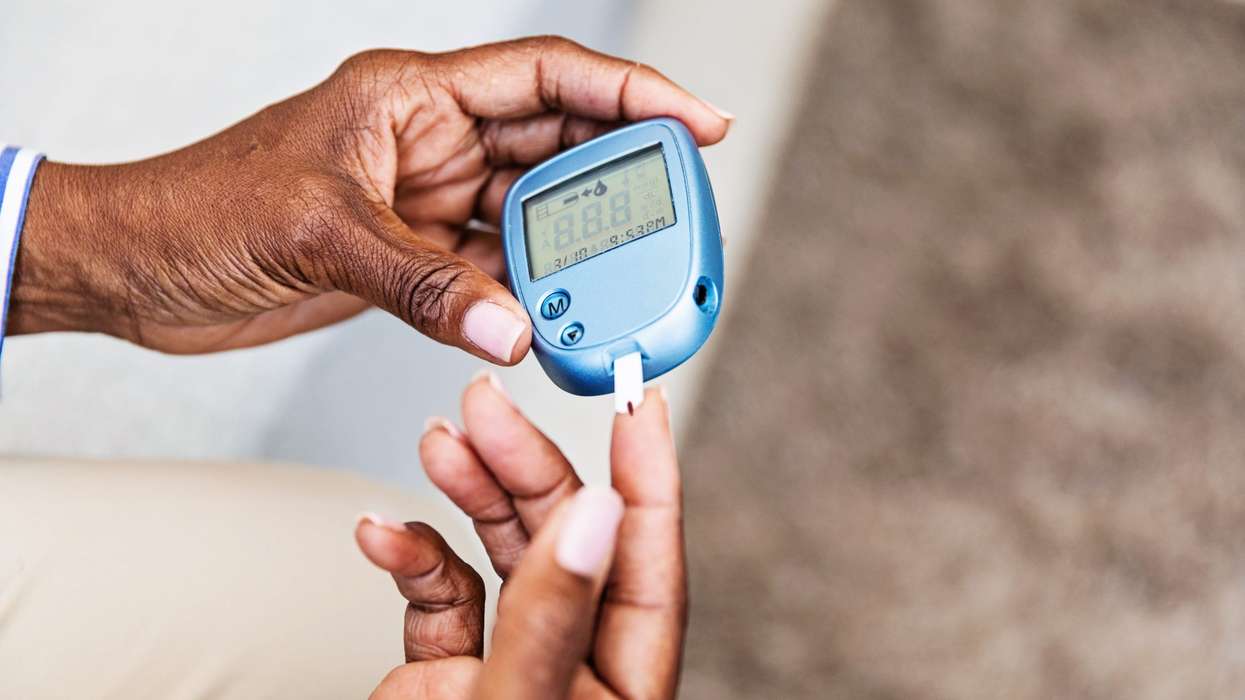
Testing can involve blood tests, including a finger-prick test, and urine tests.
Why is early recognition of type 1 diabetes important?
Type 1 diabetes is an autoimmune condition in which the body's immune system attacks and destroys the insulin-producing beta cells in the pancreas. It can develop at any age and affects more than 350,000 people in the UK.
Unlike type 2 diabetes, type 1 diabetes cannot currently be prevented. There is also no cure, and people diagnosed with the condition require lifelong insulin treatment, delivered through injections or an insulin pump.
Symptoms can develop rapidly, sometimes over days or weeks. Without timely diagnosis, the lack of insulin can lead to DKA, with children and adults sometimes becoming critically ill before the underlying condition is identified.
Colette Marshall, chief executive of Diabetes UK, said: “A type 1 diabetes diagnosis should never start with a medical emergency. Yet every year, hundreds of UK families face the heartbreaking reality of seeing their children reach crisis point before anyone recognises the condition.”
She said the figures had shown little improvement for almost a decade and called for greater awareness of the symptoms.
“If a child shows any one of these symptoms, particularly if it seems unusual for them, the message is simple: think type 1 diabetes. A simple test could make all the difference – and it could even save a life,” she added.
The charity's campaign has particular relevance for community pharmacists and other healthcare professionals who may be among the first to encounter families seeking advice about a child's symptoms. Recognising the four Ts and directing families towards urgent assessment could help prevent delays in diagnosis.
What is Diabetes UK asking healthcare professionals to do?
The charity is encouraging healthcare professionals to use its updated referral pathway and act promptly when children present with possible symptoms of type 1 diabetes.
It has also produced downloadable awareness posters and a new animation explaining the four Ts, which can be used to help families recognise the warning signs.
The campaign has been developed alongside bereaved families, including the parents of Lyla Story and Peter Baldwin, who died following undiagnosed type 1 diabetes.
Two-year-old Lyla died after her symptoms were missed despite her parents seeking medical help and visiting a GP. Her parents, John and Emma Story, subsequently launched a campaign calling for mandatory type 1 diabetes testing in infants, toddlers and young children when symptoms appear.
Their proposals include adding information about type 1 diabetes to children's personal child health records, commonly known as the red book, and introducing a ‘test, don't guess’ approach in primary care.
Lyla's death prompted a parliamentary e-petition debate and led the Royal College of General Practitioners to review its curriculum and work with NHS England on point-of-care capillary blood testing.
Diabetes UK is urging healthcare professionals, parents and the wider public to share the four warning signs, particularly with people who care for young children.
The charity's message is that symptoms should not be dismissed as ordinary childhood illness. Recognising even one of the four Ts and arranging urgent testing could help identify type 1 diabetes before a child develops DKA.