





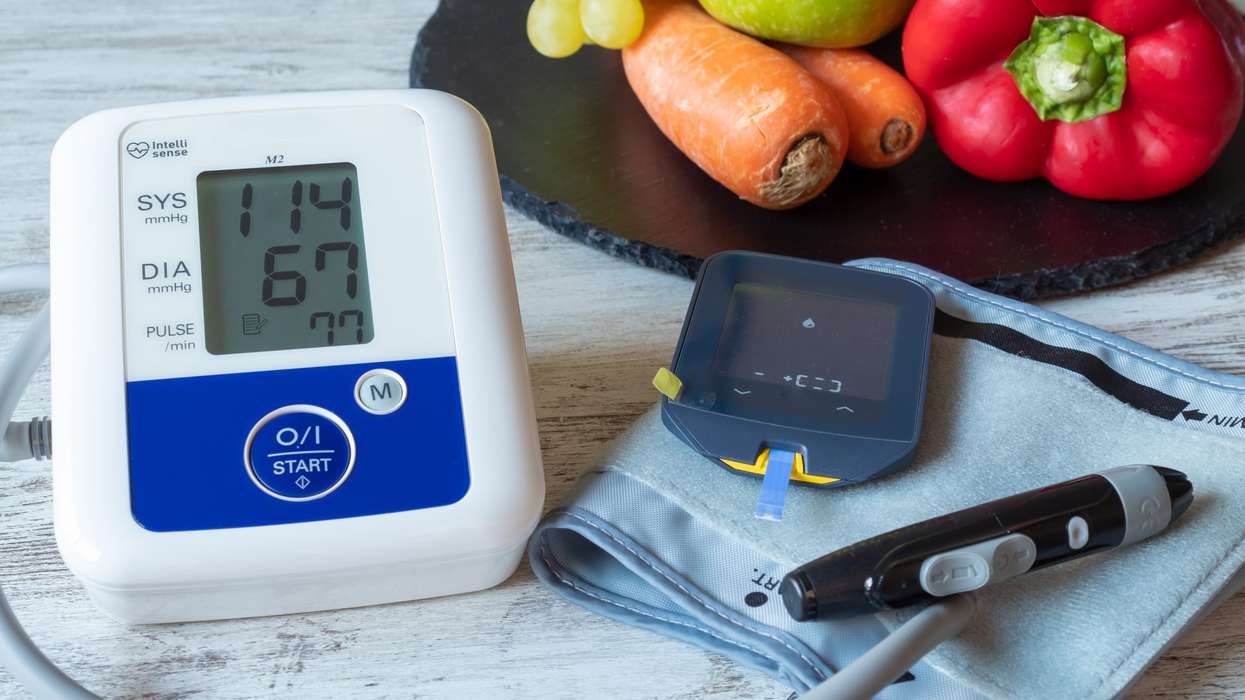

More than 252 million adults worldwide are living with diabetes without knowing they have the condition, with the International Diabetes Federation (IDF) warning that efforts to close the global diagnosis gap are being held back by poor awareness, financial barriers and difficulties accessing testing.
The findings, released ahead of World Diabetes Day on 14 November, highlight a significant gap between people's understanding of diabetes and their perception of personal risk. Most of those living with undiagnosed diabetes are believed to have type 2 diabetes, which can develop gradually without obvious symptoms.
The IDF's 11th edition Diabetes Atlas estimates that 589 million adults aged 20 to 79 were living with diabetes worldwide in 2024. Around 43 per cent, or 252 million, were unaware of their condition. Nearly nine in 10 people with undiagnosed diabetes live in low- and middle-income countries.
The organisation's new research, commissioned across Brazil, India, Kenya, Saudi Arabia, Spain and the United States, surveyed 2,411 adults aged 25 to 64 who had known risk factors for type 2 diabetes but had not been diagnosed.
It found that 67 per cent incorrectly believed people with pre-diabetes usually experience noticeable symptoms. Meanwhile, 43 per cent said they would not feel confident arranging a diabetes risk check.
There was also a clear gap between recognising the value of testing and believing it was personally necessary. Although 84 per cent agreed that a diabetes risk check was worthwhile, only 15 per cent thought they were likely to develop type 2 diabetes.
Fear of the result was the most commonly reported barrier, cited by 28 per cent of respondents. Cost was identified by 26 per cent, while 20 per cent pointed to difficulties getting an appointment and 17 per cent said they lacked time.
Why are so many people missing a diabetes diagnosis?
The findings suggest that awareness campaigns alone may not be enough to improve early detection if people do not recognise their own risk or know how to access testing.
The country-level results underline the differences in barriers across the six survey samples.
In India, only 14 per cent of respondents believed they were likely to develop diabetes, despite having reported risk factors. Nearly half, 48 per cent, said they would not feel confident arranging a check, while 35 per cent identified fear of the result as an obstacle.
In Kenya, just seven per cent believed they were likely to develop type 2 diabetes, while 47 per cent identified the cost of testing as a barrier. In Saudi Arabia, only 18 per cent recognised their personal likelihood of developing the condition, and 46 per cent lacked confidence in arranging a check.
In the United States, 13 per cent recognised their personal risk and only 46 per cent intended to seek a check within six months. Spain recorded a similar gap, with just 15 per cent believing they were likely to develop diabetes and 47 per cent intending to get checked within six months.
Brazil had the highest stated intention to seek a check within six months, at 78 per cent, although 28 per cent reported difficulties obtaining a clinic appointment.
The survey findings describe adults with known risk factors in the six countries and should not be interpreted as nationally representative estimates of public awareness or testing behaviour.
The wider public health implications are considerable. IDF estimates that diabetes-related health expenditure exceeded US$1 trillion globally in 2024. The condition can lead to serious complications, including cardiovascular disease, kidney failure and vision loss, particularly when diagnosis and treatment are delayed.
The World Health Organization has set a target for 80 per cent of people living with diabetes to be diagnosed by 2030. Current IDF estimates suggest that only 57 per cent know they have the condition.
Preliminary analysis accompanying the IDF's diagnosis scorecard indicates that approximately 134 million additional diagnoses would be needed to reach the target. This would require around 89,000 diagnoses every day between World Diabetes Day 2026 and the end of 2030.
Could pharmacies help improve access to diabetes checks?
The IDF is calling for health systems to make risk checks easier to access, improve public understanding of symptoms and direct more support towards people with known risk factors.
The survey points to opportunities for community-based testing. Nearly half of respondents, 46 per cent, said they would welcome convenient walk-in checks at pharmacies or supermarkets. A further 45 per cent wanted community awareness activities explaining diabetes risks, while 38 per cent favoured evening or weekend appointments.
Around one in four respondents said they would welcome a personal invitation explaining how to arrange a check.
For community pharmacies, the findings highlight the potential value of accessible risk assessment and signposting, particularly for people who may not otherwise approach a healthcare service. However, testing must be supported by clear referral pathways so that people with concerning results can access appropriate clinical assessment, diagnosis and ongoing care.
IDF president Professor Peter Schwarz said: “We cannot close the diagnosis gap if the people most in need of testing don’t know their own risk factors.”
He also called on governments and health systems to make it easier to identify people at risk, help them get checked and ensure that nobody is left without follow-up care.
The organisation is encouraging individuals to assess their risk of type 2 diabetes through its online risk assessment, as part of its World Diabetes Day campaign.
The message is that early diagnosis must be followed by access to treatment and long-term support. Identifying people at risk is only the first step towards reducing the complications and wider costs associated with diabetes.