






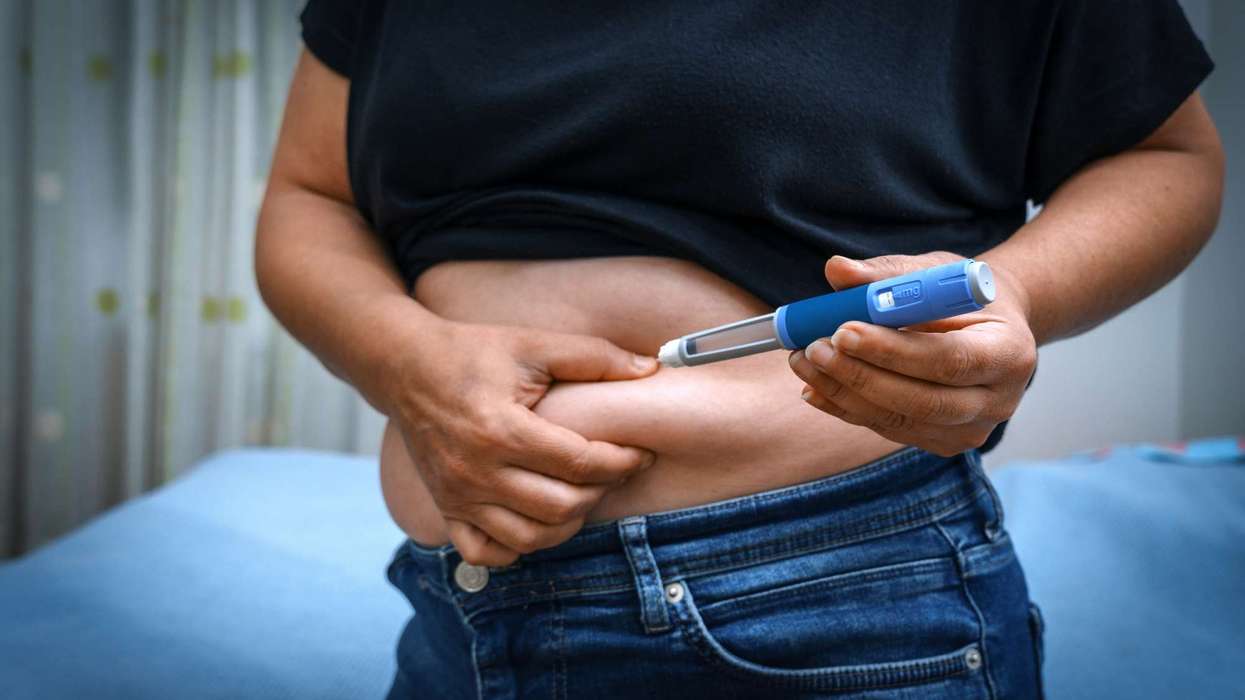

Eli Lilly’s investigational once-weekly injectable shot, retatrutide, has demonstrated unprecedented efficacy in adults living with both obesity and type 2 diabetes, producing weight loss comparable to bariatric interventions alongside broad glycaemic normalisation.
According to Phase 3 data from the 80-week randomised, placebo-controlled TRIUMPH-2 study, the triple hormone receptor agonist helped participants shed as much as 60 pounds (about 23.4% of body weight) on the top 12 mg dose.
Historically, individuals with type 2 diabetes experience considerably lower weight reduction on incretin-based pharmacotherapies than non-diabetic peers; retatrutide’s performance marks the first time medical therapy has breached a 20% average weight reduction barrier in this cohort.
The drug's distinctive potency stems from its "triple G" mechanism. While established therapies like Ozempic/Wegovy target GLP-1 alone and Mounjaro/Zepbound target dual GIP/GLP-1 receptors, retatrutide is a single molecule that activates three distinct metabolic hormone pathways: glucagon-like peptide-1 (GLP-1), glucose-dependent insulinotropic polypeptide (GIP), and glucagon.
The addition of glucagon receptor agonism is key: it directly stimulates energy expenditure and enhances hepatic fat clearance while GIP and GLP-1 synergistically delay gastric emptying and dampen central appetite signals.
Clinical markers across the 1,152-patient trial showed marked cardiometabolic improvements:
- HbA1c Reductions: Up to 79.2% of patients achieved an HbA1c of 6.5% or lower (the standard diagnostic threshold for diabetes), and up to 40% normalised their levels below 5.7%.
- Obesity Remission: Nearly 60% of participants on the 12 mg dose no longer met the clinical body mass index criteria for obesity by week 80.
- Cardiometabolic Risk Factors: Substantial improvements were documented across systolic blood pressure, triglycerides, non-HDL cholesterol, and high-sensitivity C-reactive protein (hsCRP).
Adverse events were consistent with incretin class effects. The most common side effects reported at the 12 mg dose were diarrhoea (33.6%), nausea (28.0%), constipation (16.8%), decreased appetite (17.1%), and vomiting (15.7%). Discontinuation rates attributable to adverse events remained low at 7.7% on the 12 mg regimen, compared to 4.9% for placebo.
Retatrutide remains an investigational agent undergoing extensive Phase 3 evaluation across obesity, type 2 diabetes, sleep apnoea, metabolic dysfunction-associated steatohepatitis (MASH), and osteoarthritis pain. Global regulatory submissions are anticipated to begin following the completion of the broader TRIUMPH clinical programme.