






Key Summary
- Pharmacies will be paid an increased fee of £10.06 for each vaccination.
- This equal to the fee offered to general practice for flu vaccination of children
- The service is funded from NHS vaccination budgets and not CPCF outlay.
Pharmacy owners will be paid an increased fee of £10.06 for each vaccination administered (last year the fee was £9.58).
The UK Health Security Agency (UKHSA) and Department of Health had announced that community pharmacies will offer children flu vaccinations during the 2026 to 2027 flu season.
This aligns the fee with that paid for vaccination of adults and with the fee offered to general practice for the flu vaccination of children.
The service will be funded from NHS vaccination budgets, and not from the Community Pharmacy Contractual Framework allocation.
The seasonal flu vaccination programme is structurally split into two primary phases based on target demographics.
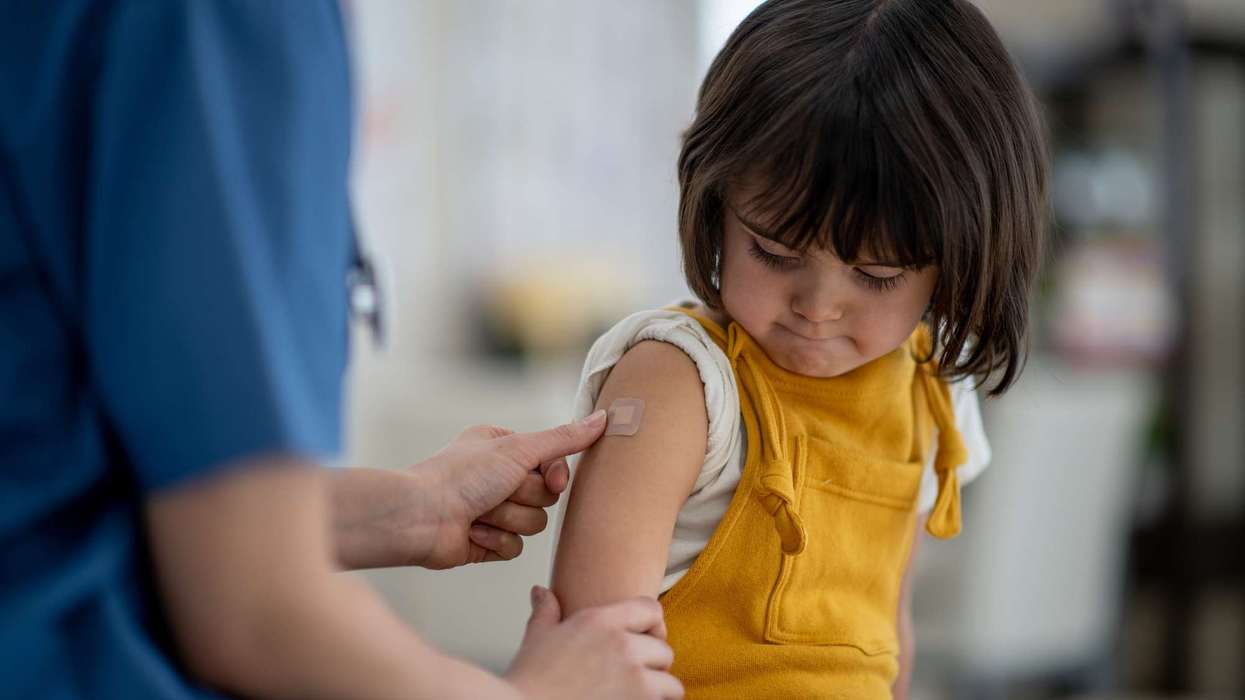
Starting from 1 September 2026, the rollout prioritises pregnant women and children. This initial phase includes all children aged 2 or 3 years old, as well as school-going children spanning from Reception all the way up to Year 11.
Additionally, children between the ages of 6 months and 18 years who fall into specific clinical risk groups are eligible to receive their vaccines during this early window.
The second phase of the programme begins on 1 October 2026, shifting the focus toward eligible adult populations and vulnerable groups. This includes all adults aged 65 and over, alongside individuals aged 18 to 64 who live with underlying health conditions that place them in clinical risk groups.
Eligibility also extends to people experiencing homelessness - specifically rough sleepers and individuals staying in hostels or night shelters aged 16 and over.
Furthermore, residents of long-stay care facilities, frontline health and social care workers, primary carers, and close contacts of immunocompromised individuals are all eligible to receive the vaccine from this date onward.
Vaccination of primary school and secondary school aged children (from Reception to Year 11) supplements vaccination provision by the School Aged Immunisation Service. It aims to provide increased access to opportunities to receive a vaccination for children who missed being vaccinated in school.
Most eligible children will receive the Live Attenuated Influenza Vaccine nasal spray. This will be supplied centrally by NHS England via the Federated Data Platform (rather than UKHSA through ImmForm) and is non-reimbursable. Strict ordering controls will be managed via upcoming NHSE operational guidance.
Cell-cultured inactivated influenza vaccine will not be supplied centrally. Pharmacies must order this directly from the manufacturer or wholesaler; it will be reimbursed in line with the community pharmacy service specification.
NPA backs increased role for pharmacies
Responding to the update, Henry Gregg, Chief Executive of the National Pharmacy Association said: "We've long called for pharmacies to be commissioned to provide more childhood vaccinations, particularly for teenagers and older children given the alarming drops we have seen in take up since the pandemic among this age group.
"It's good pharmacies have been commissioned to provide flu vaccines to a wider group of children as well providing catch up vaccinations for those who might have missed out.
"It is also important pharmacies have been given a role to support those experiencing homelessness, who often do not have access to GP services.
He highlighted that the latest NPA analysis found that take-up for flu vaccines among children had dropped to 52 percent last year, an 8 percent drop from the highs of 2018. In 15-to-16-year-olds, it has fallen to a record low of 42 percent—less than half of all those eligible.
"There is growing evidence to show that using pharmacies to provide more NHS vaccinations helps to improve uptake and therefore prevent instances of serious illness, particularly in deprived communities who have historically been less likely to get vaccinated,” he added.
Gregg concluded that it makes sense for pharmacies, which are highly accessible and on peoples' doorsteps, to be able to help NHS colleagues deliver vaccinations for a wider range of conditions.
A vote of confidence for pharmacies: CCA
Malcolm Harrison, chief executive of the Company Chemists’ Association said: “The CCA has campaigned for community pharmacy to play a greater role in administering childhood flu vaccines to help increase worryingly low rates of vaccine uptake and coverage.
“The continued commissioning of the childhood flu vaccination programme to 2- and 3-year olds is a vote of confidence in the sector.
“Last winter, pharmacies administered over 47,000 flu vaccinations to 2- and 3-year olds, despite short notice - accounting for nearly 10% of all provision to children of this age.
Harrison stressed that pharmacies have a strong and growing track record of vaccination programme delivery and that it is imperative that policy makers harness this to drive rate of uptake and coverage, as outlined in CCA’s recent evidence to the Lords Childhood Vaccinations Committee.
The CCA launched the Pharmacy Vaccinations Development Group (PVDG) two years ago, bringing together key stakeholders from across both the supply chain and various public bodies, to explore how community pharmacy could play a larger role in administering a whole range of NHS vaccines.