






About one in seven couples in the UK experience difficulty conceiving, and diet is one of the few factors within their control.
The evidence for exactly which nutrients matter -- and why -- has grown considerably in recent years. Getting the fundamentals right counts for far more than chasing the latest supplement trend.
Here's what's worth knowing and why.
The nutrients to start with
Folate is usually the first port of call. It supports healthy progesterone levels and normal ovulation while protecting against neural tube defects in early pregnancy.
When trying to conceive, women are advised to take 400µg of folic acid a day alongside incorporating folate-rich foods into their diet, such as leafy greens, beans and fortified cereals.
Iron is an important nutrient to factor in, as low iron status has been linked with ovulatory infertility.
Haem iron, found in meat and fish, is easily absorbed by the body. The non-haem iron in plant foods is harder to take up, which is particularly relevant for non-meat eaters, though pairing it with a source of vitamin C helps.
Keeping tea and coffee away from iron-rich meals makes a difference, as they interfere with absorption.
Then there's choline, which doesn't often get talked about. It supports healthy placental function, early brain development in a baby, and helps lower the risk of birth defects, including those of the neural tube.
There is no official UK guidance on how much choline is needed, despite the strength of the evidence. In the US, guidance suggests around 425mg a day when not pregnant, rising to 450mg a day during pregnancy. Eggs, meat, fish and dairy are the best sources.
Three that are often missed
Iodine matters more than many people realise. Good iodine status has been linked with a shorter time to conception and a lower risk of unexplained infertility and pregnancy loss. It is mainly found in dairy and fish, so if someone is following a plant-based diet they may be at greater risk of low intake and could benefit from extra support.
Vitamin B12 is another to flag, particularly if eating a vegan or vegetarian diet. Low levels have been linked with reduced fertility in women and in men -- lower sperm count, poorer motility and DNA damage.
Since B12 comes mainly from animal foods, a supplement is usually the safest way to cover it if someone doesn’t eat meat, fish, eggs or dairy.
A daily 10µg vitamin D supplement is recommended when trying to conceive, especially through autumn and winter when sunlight exposure is limited. It plays an important role in fertility, supports normal ovarian function and research has linked low levels with a longer time to pregnancy.
Omega-3s, and the bigger picture
Omega-3 fatty acids are among the nutrients with the strongest evidence behind them. They have been linked with better chances of conceiving, both naturally and through IVF, and can support sperm motility, concentration and shape. If someone is eating oily fish less than twice a week, they may benefit from a supplement.
Suggest the Mediterranean diet
A Mediterranean-style way of eating, built around vegetables, wholegrains, oily fish, olive oil, nuts and legumes, naturally brings most of this together.
This has been linked with a better chance of pregnancy, improved inflammation and insulin resistance in those with PMOS (polyendocrine metabolic ovarian syndrome, the condition formerly known as PCOS), better embryo yield during IVF, and improved sperm count, motility and concentration in men.
Advice and evidence-based support from a fertility-specialist dietitian can be helpful.
Useful places to find out more
NHS – Pregnancy vitamins and supplements: nhs.uk/pregnancy/keeping-well/pregnancy-vitamins-and-supplements
Healthy Start scheme (free vitamins and food vouchers for those who qualify): healthystart.nhs.uk
BDA Food Fact Sheets (pregnancy, PMOS/PCOS and nutrient-specific guidance): bda.uk.com/food-health/food-facts.html
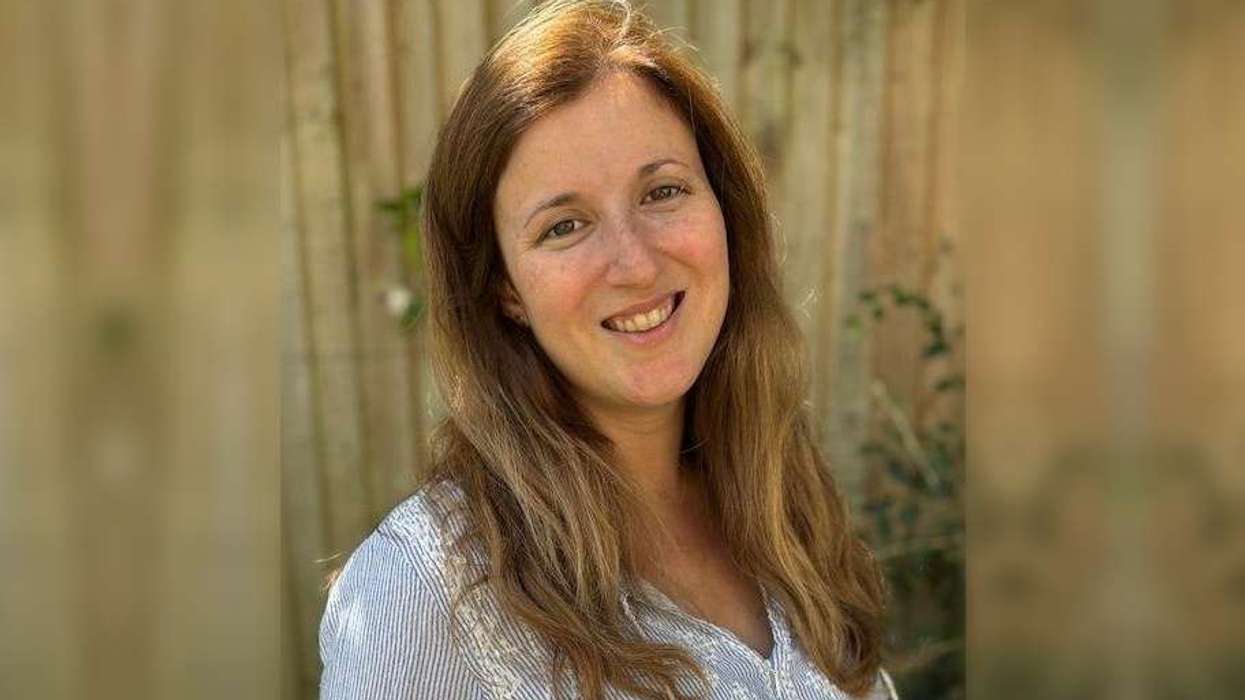
Jasel Small is an HCPC-registered dietitian with over 10 years of NHS clinical experience and founder of The Fertility & Family Dietitian, a private practice offering nutrition support for fertility, pregnancy and the menopause.