






Key Summary
- The committee questions the legality of the UK-US deal.
- They raise concerns that some of the deal’s terms have been implemented through secondary legislation to the minister and expect reply by 10 June 2026.
- The agreement commits the UK to increasing expenditure on branded medicines as a share of its GDP.
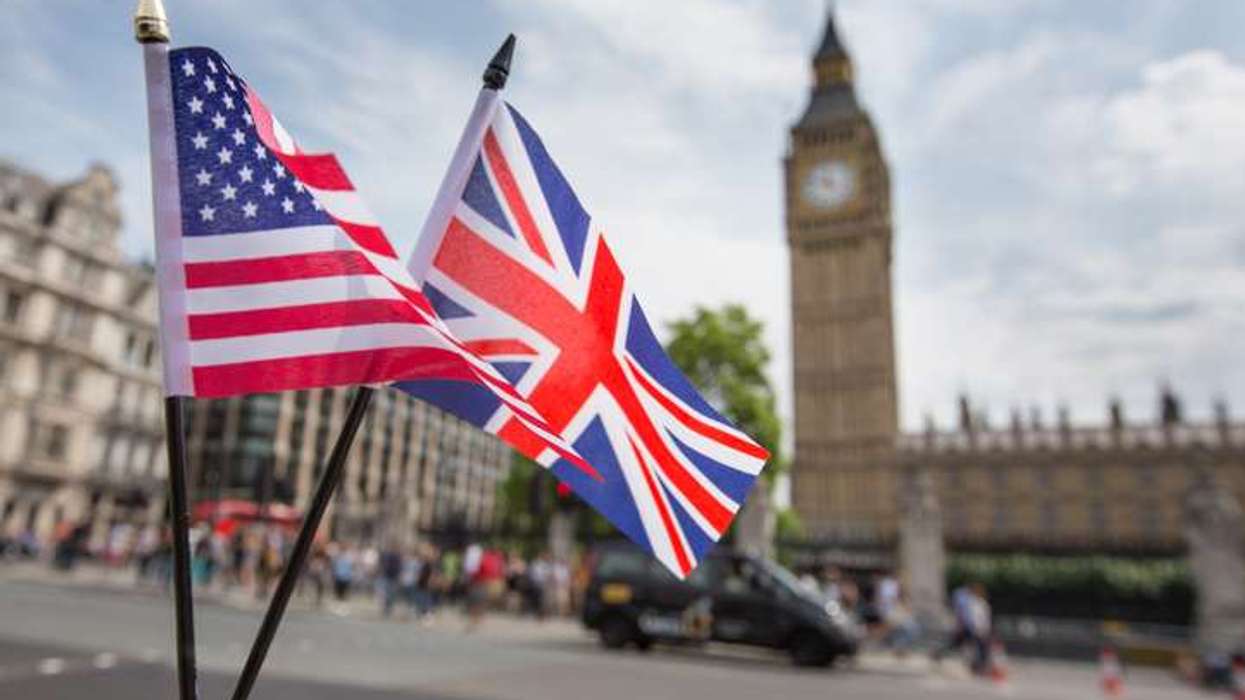
The House of Lords has raised concerns regarding the terms of the recent UK-US pharma deal that has the potential to raise costs for the NHS and limits Parliamentary scrutiny.
The House of Lords International Agreements Committee has written to investment minister Lord Stockwood to seek clarification about parliamentary scrutiny of the deal.
The Arrangement, published on 2 April 2026, is not legally binding. It builds on the “General Terms” of the UK–US Economic Prosperity Deal agreed in May 2025 (which is also not binding).
The letter reiterates its concern “about the increasing reliance on memoranda of understanding and other non-binding instruments for agreements of political or legal significance”.
Limited scrutiny
It also raises concerns that some of the deal’s terms have been implemented through secondary legislation, limiting the ability of both Houses to scrutinise them.
The deal, which was not concluded under international law, establishes new cooperative mechanisms on pharmaceutical supply chains, with particular emphasis on active pharmaceutical ingredients and key starting materials.
It commits the UK to increasing expenditure on branded medicines as a share of its GDP, including a commitment that the net prices paid by the NHS for prospective new medicines will increase by 25 percent from April 2026.
In return, the US has committed not to apply tariffs to UK pharmaceutical products for the remainder of President Trump’s term.
As this commitment is not binding, the Committee has asked the Government how it has assessed “the asymmetry between UK legislative changes and temporary US concessions”.
The Arrangement frames increased UK medicines expenditure as necessary to ensure “fair” contributions to pharmaceutical innovation and to improve “the overall environment for pharmaceutical companies operating in the UK”. However, it is not clear whether this framing adequately accounts for the increased costs on the NHS.
House of Lords International Agreements Committee chair Lord Johnson said, “Regardless of the arguments for or against the UK-US pharma deal, it is clearly a significant arrangement with policy, fiscal and constitutional implications, which Parliament should be able to scrutinise. Further clarity is required on both the substance of the commitments made and the rationale for concluding them in a non-binding form.”
In the letter, the committee has raised the following concerns:
- Why was an arrangement of this scale, which required legislation to implement, concluded as a memorandum of understanding rather than a treaty?
- How will Parliament scrutiny be assured if non‑binding instruments, such as the Arrangement, are being used to pursue politically significant policies?
- Why was ministerial direction over NICE thresholds introduced through secondary rather than primary legislation?
- Why was no detailed impact assessment published alongside the Arrangement?
- How will alignment with US supply-chain security objectives affect the UK’s relationships with third countries?
- What confidence does the Government have that US commitments will be adhered to?
- How has the Government assessed the asymmetry between UK legislative changes and temporary US concessions?
- What recourse would the UK have if US pricing models or tariff concessions are subsequently amended or withdrawn? Have any safeguards been put in place against this scenario?
Earlier, campaign groups Global Justice Now and Just Treatment had challenged the UK’s drug pricing agreement with the United States, arguing that it threatens the independence of NICE and could push up medicine costs.