





Key Summary
- Iran's war has spiked UK pharmacy costs for paracetamol and hay fever meds by 20-30 percent since February.
- Surging fuel, air freight, and petrochemical shortages are forcing suppliers to pass on 40-50 percent higher prices.
- NHS reimbursements lag, risking pharmacy losses and potential shortages if the Strait of Hormuz stays closed.
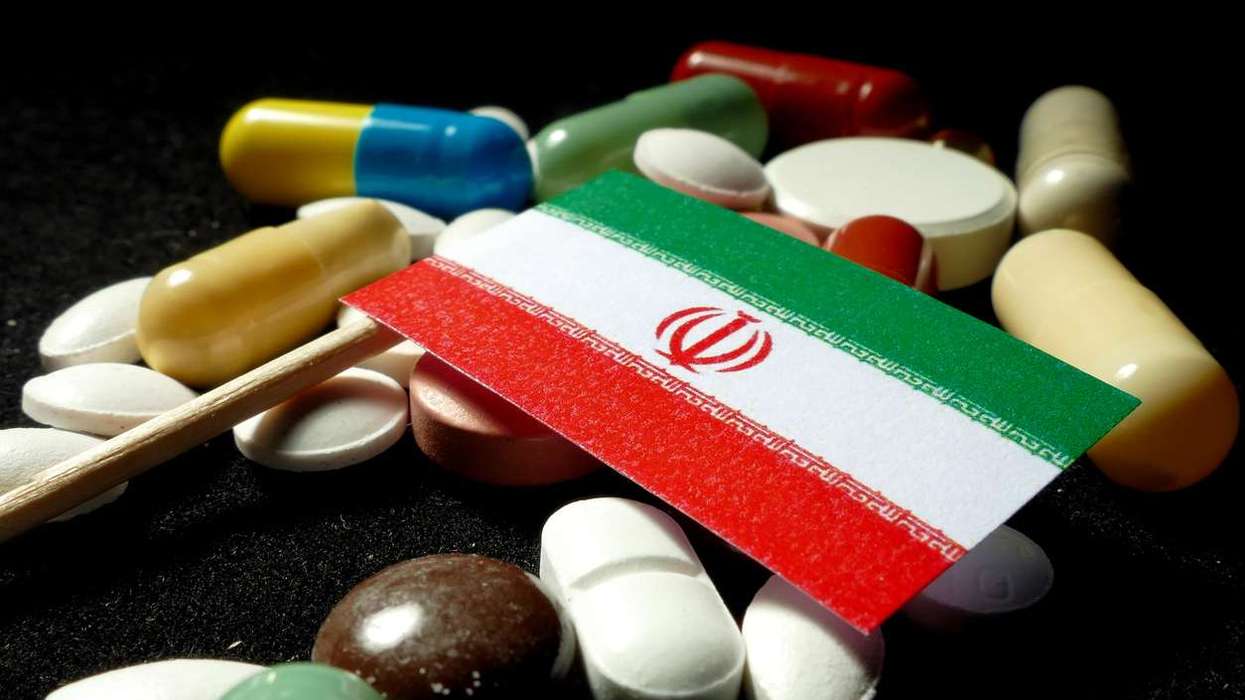
The conflict in Iran has driven up prices for many commonly used medications in England such as painkillers and hay fever treatments, according to leading pharmacists.
The National Pharmacy Association (NPA) reports that independent chemists are now charging customers 20-30 percent more for paracetamol compared with February. Many locations have also faced stockouts of specific aspirin and co-codamol doses.
Over-the-counter cetirizine tablets - a staple for hay fever - have seen similar 20-30 percent price hikes over the same timeframe.
The steep rise in petrol and diesel prices after the war started about eight weeks ago, has increased the production and delivery expenses for drug suppliers. These costs have passed on to pharmacies, which now pay 40-50 percent more to restock.
The war has also doubled air freight rates - used for one in five NHS drugs - and disrupted Gulf supplies of petroleum-based ingredients essential for drugs like paracetamol, aspirin, and co-codamol.
Low-margin producers of generic, off-patent medicines have begun raising prices, inflating both NHS drug spending and pharmacy checkout costs.
Certain pharmacies have halted over-the-counter aspirin sales amid pre-existing supply issues that worsened with the Iran conflict. While short-term drug shortages occur regularly, the prolonged closure of the Strait of Hormuz - a vital petrochemical shipping lane - could escalate problems.
NPA chair Olivier Picard noted that on March 27, his Berkshire shop couldn't source paracetamol. When stock returned days later the wholesale price had doubled.
NHS hospitals benefit from fixed long-term supplier contracts, but pharmacies and GP practices face more flexible pricing.
Picard shared that his wholesale cost for 100 x 500mg paracetamol tablets rose from 41p to £1.99 by late March, later settling at £1.09. This has trickled down to customers: one pharmacy now charges £1.50 for a 32-pack, up from £1.19 pre-war.
For cetirizine, Picard's cost per 30-tablet pack nearly doubled from 19p in January to 37p, with some suppliers demanding up to £3.
Allergy patients may see further increases by May or June during peak hay fever season.
Pharmacies earn 90 percent of revenue from dispensing fixed-price NHS prescriptions, with government adjustments possible for big cost spikes. March saw a record 230 items on the price concessions list - covering blood pressure meds, anxiety treatments, antidepressants, and painkillers like codeine and co-codamol - versus 90 last year.
Yet paracetamol (1.3 million packs prescribed monthly in England) and cetirizine missed the list. Pharmacies get just 49p reimbursement for a 32-pack of paracetamol, forcing some to sell at a loss, Picard said. Since 2020, 1,400 pharmacies have shuttered, with one or two closing weekly.