





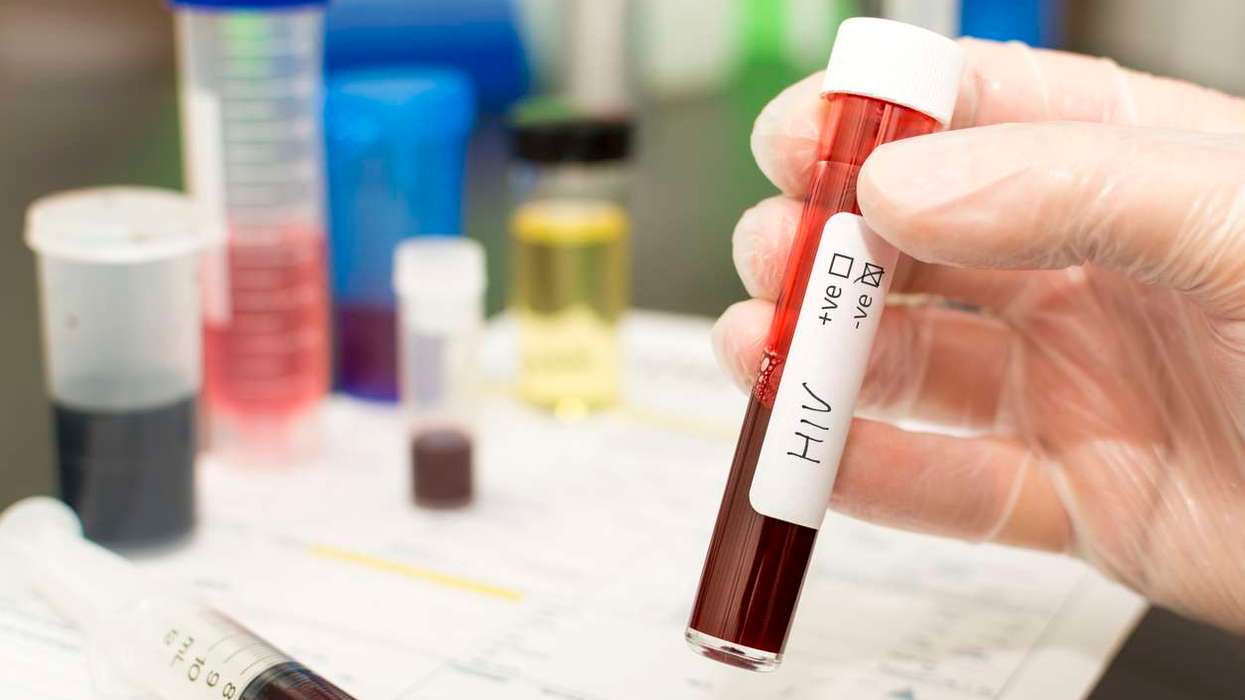

Community pharmacies should play a greater role in HIV prevention, with Terrence Higgins Trust calling for pre-exposure prophylaxis (PrEP) to be made available through pharmacies and online.
The call comes as new figures from the UK Health Security Agency (UKHSA), published on 26 November, show that HIV diagnoses across the UK fell by 9% in 2025, from 3,117 in 2024 to 2,823.
In England, diagnoses decreased by 7%, from 2,789 to 2,604. However, the proportion of people diagnosed late remained unchanged at 43%, meaning more than four in 10 people were still diagnosed after the infection had progressed.
Richard Angell, chief executive of Terrence Higgins Trust, said wider access to PrEP through community pharmacies was needed alongside improvements in testing.
Who is missing out on HIV prevention?
PrEP is a preventative medication taken by people who do not have HIV to reduce their risk of acquiring the infection. It is available free through NHS sexual health services.
UKHSA data shows that 120,159 people received PrEP in 2025, while more than 1.3 million people were tested for HIV through sexual health services.
However, access remains unequal. Among people identified as eligible for PrEP, uptake stood at 82% for both White and ethnic minority gay and bisexual men.
This compared with 29% among Black African heterosexual women, 18% among Black African heterosexual men and 19% among other ethnic minority heterosexual people.
Angell also called for the progress made through emergency department opt-out testing to be extended into GP practices.
"Ending new HIV cases in the UK by 2030 is still within reach, but to achieve our shared goal the pace of progress must increase. These figures show that when government takes bold action, lives are changed. The opt-out HIV testing programme in Emergency Departments is a clear example the difference investing in new approaches can make," he said.
"Despite progress, some communities are still being left behind. Rising diagnoses among ethnic minority gay men and ongoing inequalities in who is benefitting from PrEP show how much is still to do. We need to see the progress we’ve made in Emergency Departments take place in GPs and PrEP must be made accessible online and through community pharmacies."
He added: "If we act now, the UK can become the first country in the world to end new HIV cases."
Rapid testing and HIV self-test kits are available through some community pharmacies in the UK. Earlier this year, Henry Gregg from the National Pharmacy Association supported the idea of a funded service through community pharmacy.
"With the right funding, it makes sense for the government to also use pharmacies for PrEP vaccinations, helping those who need it the most get the protection they need from this life-changing illness," he said in January.
Late diagnosis remains a concern
Although overall diagnoses declined, the proportion of people diagnosed late in England remained at 43% in 2025.
The rate was highest among heterosexual men, at 54%, compared with 28% among gay and bisexual men.
Late diagnosis can delay access to treatment and is associated with poorer health outcomes. UKHSA reported that adults diagnosed late in 2024 were four times more likely to die within a year of diagnosis than those diagnosed promptly.
There were also differences between population groups. Diagnoses among Black African heterosexual men fell by 23%, while those among Black African heterosexual women decreased by 18%.
However, new diagnoses among ethnic minority gay and bisexual men increased by 13%, from 286 to 322.
Progress towards the 2030 target for HIV
The proportion of adults receiving HIV treatment in England remained high, with 99% (104,539 of 105,995) accessing treatment in 2025.
Emergency department blood-borne virus testing also accounted for 16% of all new HIV diagnoses in 2025, up from 6% in 2022.
The HIV Action Plan for England 2025-2030 aims to reduce new HIV diagnoses to fewer than 550 annually and end new transmissions by 2030.
The latest figures show progress, but continued improvements in testing, early diagnosis and access to prevention medication will be needed to meet the target.