






- The US, Mexico and Bolivia have lost their measles elimination status after sustained transmission of the virus.
- MMR vaccination coverage in the US has fallen to 92.4 per cent, below the 95 per cent level needed to limit transmission.
- Health organisations are calling for stronger vaccination efforts and renewed public trust to prevent further outbreaks.
Measles is returning in countries that had previously eliminated the disease, raising fresh concerns about vaccination gaps and the risk of losing hard-won public health progress.
The Pan American Health Organization (PAHO) has withdrawn the measles elimination status of the US, Mexico and Bolivia after finding that the same strain of the virus had circulated continuously for more than 12 months.
The decision highlights a wider challenge for public health authorities, as declining vaccination rates and gaps in immunisation coverage allow the highly contagious infection to spread again.
The US has recorded around 5,400 measles cases and 10 related deaths so far this year, the highest number of deaths since the 1990s. Its measles, mumps and rubella (MMR) vaccination coverage has fallen to 92.4 per cent, below the 95 per cent level considered necessary to provide herd immunity.
PAHO director Dr Jarbas Barbosa said the resurgence was taking place globally amid persistent gaps in vaccination.
"These figures are a serious warning for our region," he said at a news conference, adding that countries that had lost elimination status would need to address weaknesses in their immunisation programmes.
Canada lost its measles elimination status last year following several large outbreaks, although Barbosa said the country had made progress towards interrupting transmission this year.
Why is measles returning?
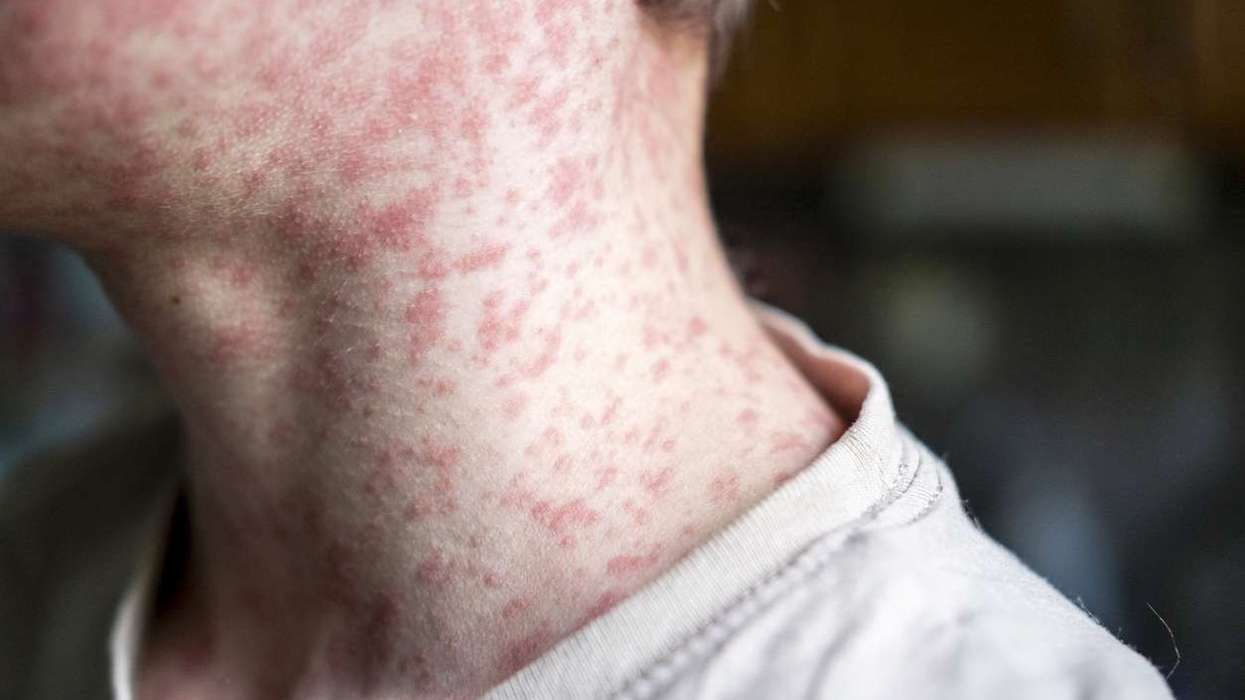
Measles is one of the most contagious viral infections and can cause serious complications, including encephalitis. Some patients can also experience immune amnesia, which damages the immune system's ability to recognise and respond to infections it has previously encountered.
Before the introduction of the measles vaccine, the virus infected millions of children every year. Two doses of the MMR vaccine are recommended for children in the US, with the course offering around 97 per cent protection against measles.
However, vaccination coverage has declined in recent years. Public health experts have linked the trend to misinformation about vaccine safety and declining trust in health systems, particularly following the Covid-19 pandemic.
Nuwan Gunawardhana, an assistant professor of medicine at Columbia University Irving Medical Center, described the loss of the US's elimination status as "a huge leap backwards".
He said rebuilding public confidence had required years of work by public health officials and clinicians, but that trust had steadily eroded.
The US is not the only country facing renewed transmission. The UK, Spain and Austria were among European nations that also lost their measles-free status earlier this year, alongside countries including Russia, Azerbaijan and Uzbekistan.
The developments underline that elimination does not mean a disease has disappeared permanently. Continued vaccination coverage is needed to prevent imported cases from triggering wider outbreaks.
What needs to happen to prevent further outbreaks?
PAHO has asked countries that have lost elimination status to submit corrective action plans explaining how they intend to improve vaccination rates.
In the US, the Centers for Disease Control and Prevention (CDC) said it would work with partners to expand access to MMR vaccines and address gaps in protection.
The agency said it remained committed to stopping outbreaks and regaining measles elimination status. CDC director Erica Schwartz stressed that vaccination, rather than the elimination designation itself, was what protected people.
US health secretary Robert F Kennedy Jr also said he continued to recommend MMR vaccination as the most effective way to prevent measles, adding that the government would work with healthcare providers and community leaders to rebuild public trust.
The wider challenge for healthcare systems is to ensure that families have access to reliable information and vaccination services, while addressing concerns that may prevent people from completing recommended immunisation schedules.
For healthcare professionals, including community pharmacists, the resurgence reinforces the importance of clear vaccine communication and helping people understand the value of routine immunisation.
The latest outbreaks serve as a reminder that progress against preventable diseases depends on sustained vaccination efforts. Without consistent coverage and public confidence, infections once brought under control can return and spread across communities.