






It has become an everyday nightmare in dispensaries the length and breadth of the UK.
Sourcing medicines to meet the needs of patients can be challenging at the best of times, but recent years have seen a spiralling series of problems in the medicine supply chain.
More and more medicines have fallen into short supply – with frustration for patients who have to wait or visit multiple pharmacies to get their prescriptions.
And underneath that, the prices pharmacies have to pay on the wholesale market have become extremely volatile, with huge short-term swings in medicine prices challenging cash flow and leaving pharmacists wondering whether the NHS will cover prices that soar above drug tariff levels and are far in excess of the price concessions that are supposed to account for fluctuations in the market.
It's no wonder that NPA members complain all the time that they are being forced to dispense at a loss – something we have been calling out as unacceptable for years.
There’s clear evidence that shortages are an increasing problem. NHS Serious Shortage Protocols (SSP) have risen.
SSPs have been in place for Creon, used by pancreatic cancer patients, since May 2024 and was extended by the NHS in April until 10th July 2026, running for over two years, a new record.
Pharmacies have reported cases of patients rationing medication and, in some instances, skipping meals because they were unable to obtain supplies.
Estradot, a common HRT drug, has had an SSP in place since December 2024, a year and a half ago, another record, also extended by the NHS in April to run until 10 July.
A process designed to cope with exceptional supply issues is now the norm.
Rising price concessions
At the same time, the number of price concessions in the English, Welsh and Northern Irish drug tariff has been spiralling. Price spikes are not always an indicator of shortages of course, but they can be a canary in the coalmine as the market reacts to demand in the global supply chain.
And while shortages in different medications come and go. The worsening trend is clear, and the poor old pharmacy business at the front line carries the can. And patients suffer.
So what is going on?
The medicine supply chain is notoriously complex and fragile. Shortages can be the result of a huge number of factors, from manufacturing and quality control issues in factories around the world, international trade issues – threatened Trump tariffs on pharmaceuticals being a case in point – supply chain bottlenecks, or global transport issues.
So, for example, while very little medicines supply is directly affected by shipping restrictions in the Strait of Hormuz, the fact that the majority of medicine supply to the UK comes from abroad, from manufacturers in China, India and elsewhere, means they are themselves affected by transport issues, raw material supply issues, and international demand, which can all increase costs.
That is why we’ve been calling on the Government to boost their response to the supply issues and escalate this to the highest Ministerial level.
Low medicine prices
While supply chain challenges are extremely complex, one thing is clear. Britain has systematically driven down the price it pays for medicine, and that puts us at the back of the queue in the global market.
Ironically, it has been the diligent work of pharmacy businesses procuring medicines carefully in the face of a decade of funding cuts that has created downward pressure on prices. But as global and domestic demand for medicine spirals, we need to recognise that Britain can’t remain on the race to the bottom – because it leaves pharmacies vulnerable, medicines underfunded and, most importantly, supply to patients at risk.
Some figures. According to the respected analytics firm IQVIA, in 2022 the United States spent an average of $2,006 per head on medicines, Germany $1,337, Australia $1,177 and France $984. The UK spent $656.
In the same year Australia spent 16 percent of health spend on medicines, the US 15 percent and France 13 percent. We spent just 9 percent.
Contract reform
This is why we’ve been calling for better funding to protect pharmacy businesses which have been closing at alarming rates. But also, better funding, and reform of the outdated, opaque and slow-moving drug tariff and pharmacy contact is vital to secure medicine supply to patients that need drugs, often to live.
Everyone understands the pressures on the public finances, but money can be found for the steel industry, for defence or for other priorities. What greater priority is there for the government than making sure its sick citizens get the basic medicines they need?
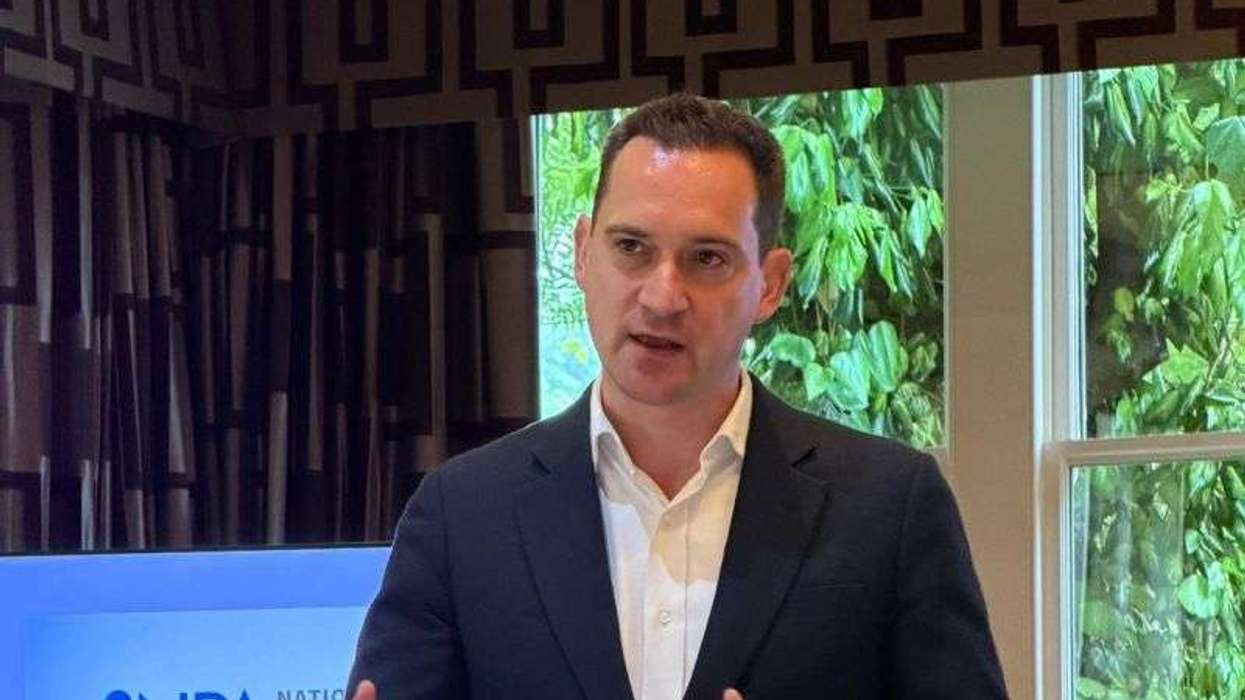
Henry Gregg is the Chief Executive of the National Pharmacy Association