






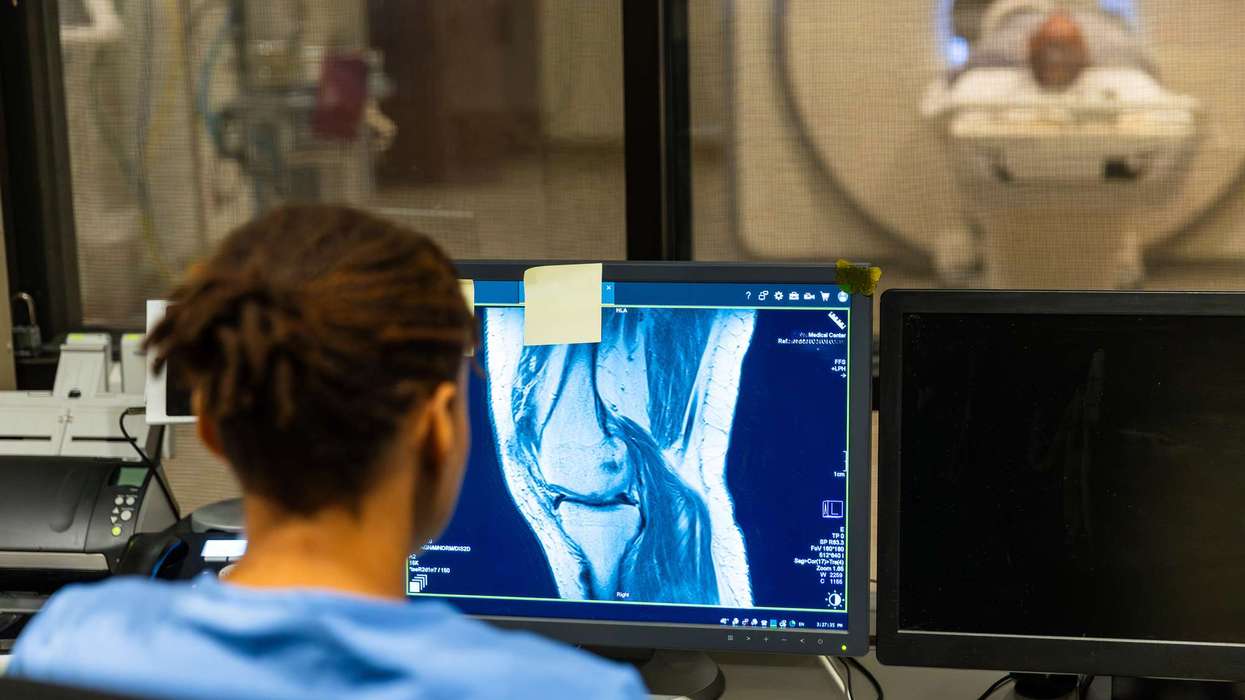

The Medicines and Healthcare products Regulatory Agency (MHRA) has approved vimseltinib (romvimza), a twice a week capsule to treat tenosynovial giant cell tumour (TGCT).
TGCT is a rare non-cancerous tumour that forms around a joint and tendons and it mostly affects the knee or ankle of young and middle-aged adults.
It can cause symptoms such as pain, swelling, stiffness and difficulty in movement.
Romvimza should be taken when TGCT impacts movement or where surgery is not an option.
The active ingredient in Romvizma, vimseltinib, helps slow the growth of TGCTs by blocking the proteins that cause these tumours to grow.
Vimseltinib should be swallowed whole with water and with or without food, but should not be used in pregnancy.
MHRA Executive Director, Healthcare Quality and Access Julian Beach said: “The approval of vimseltinib provides a new treatment option for patients with TGCT who have symptoms but are unsuitable for surgery.”
The most common side effects of vimseltinib (which may affect more than 1 in 5 people) include, tiredness, swelling around the eyes, ankles and feet, itching, rashes, high blood pressure, increased levels of liver enzymes, increased levels of cholesterol, increased levels of creatinine, and decreased white blood cell levels (neutrophils).
Patients should take vimseltinib exactly as prescribed and discuss any side effects with their doctor of pharmacist.